
Restoration Blog
Expert advice on water damage, mold, fire, and storm restoration from our IICRC-certified team.
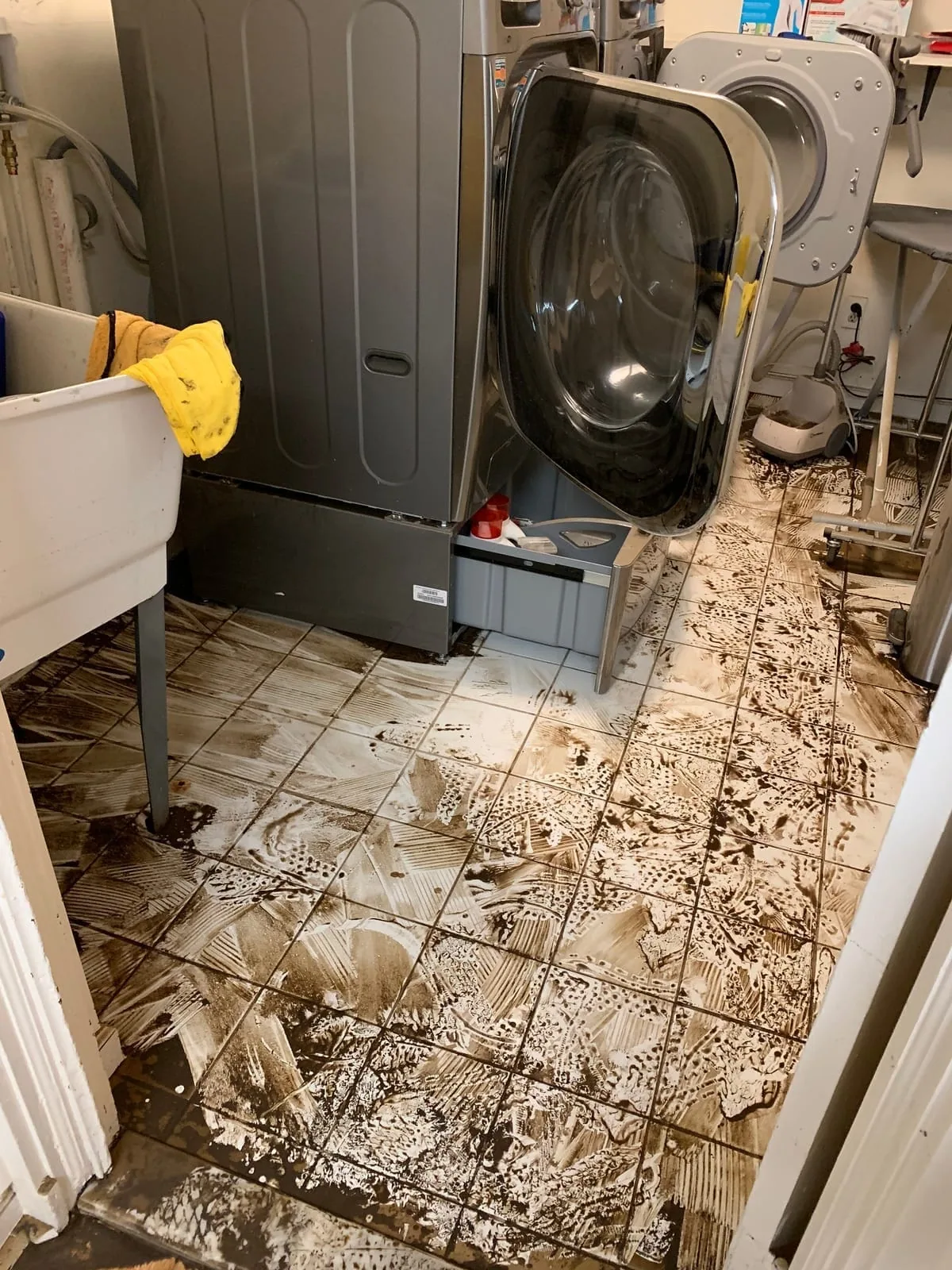
Coastal Flooding in Fairfield & Westchester: Homeowner Guide
Coastal Fairfield and Westchester homes face a different kind of water loss: salt water, surge, wind-driven rain, and flood-policy gaps.
Read Article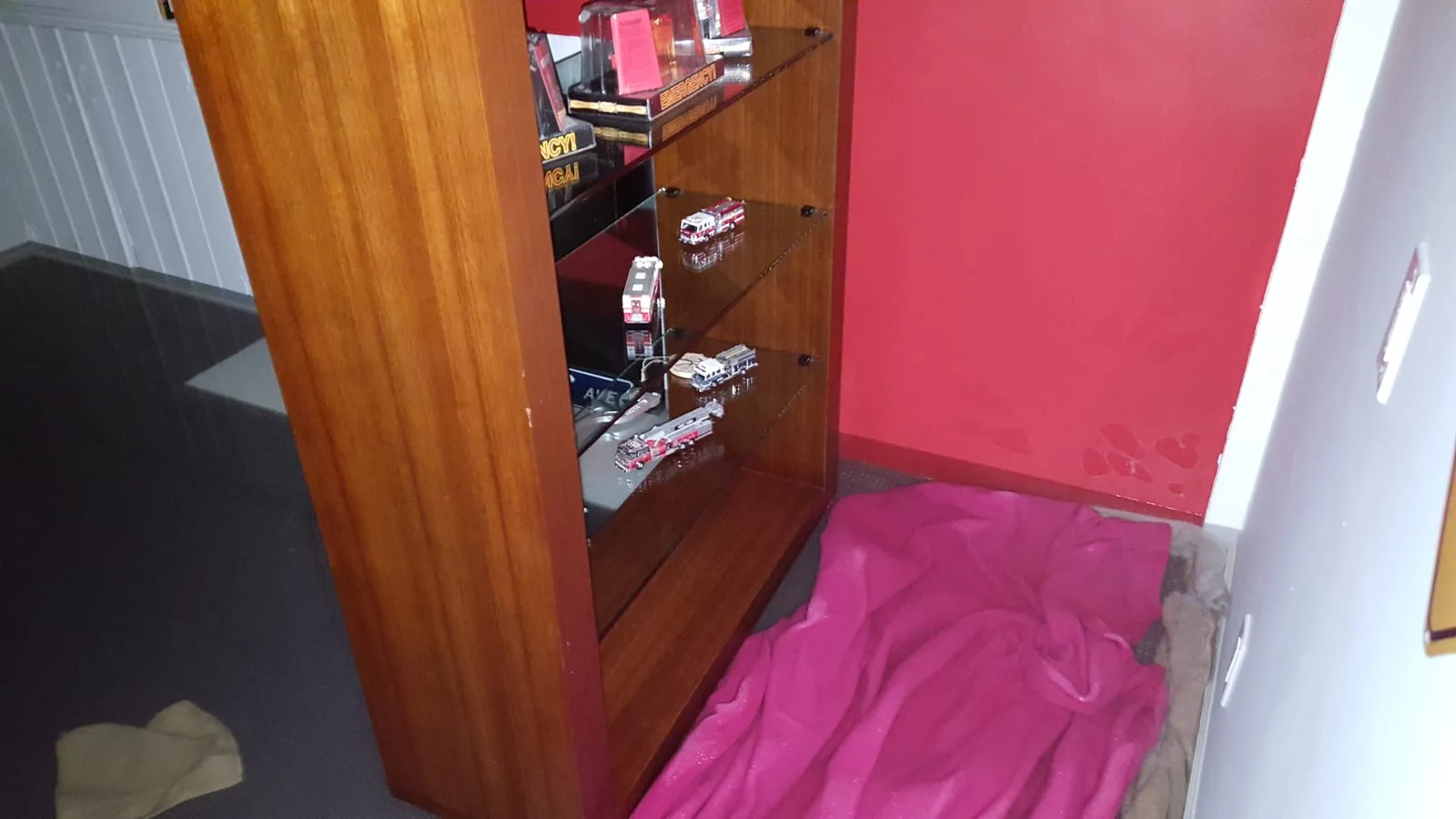
Finished Basement Water Damage in Luxury Homes
Finished basements in Greenwich and Westchester are expensive to dry because water hides under floors, behind millwork, and inside wall systems.
Read Article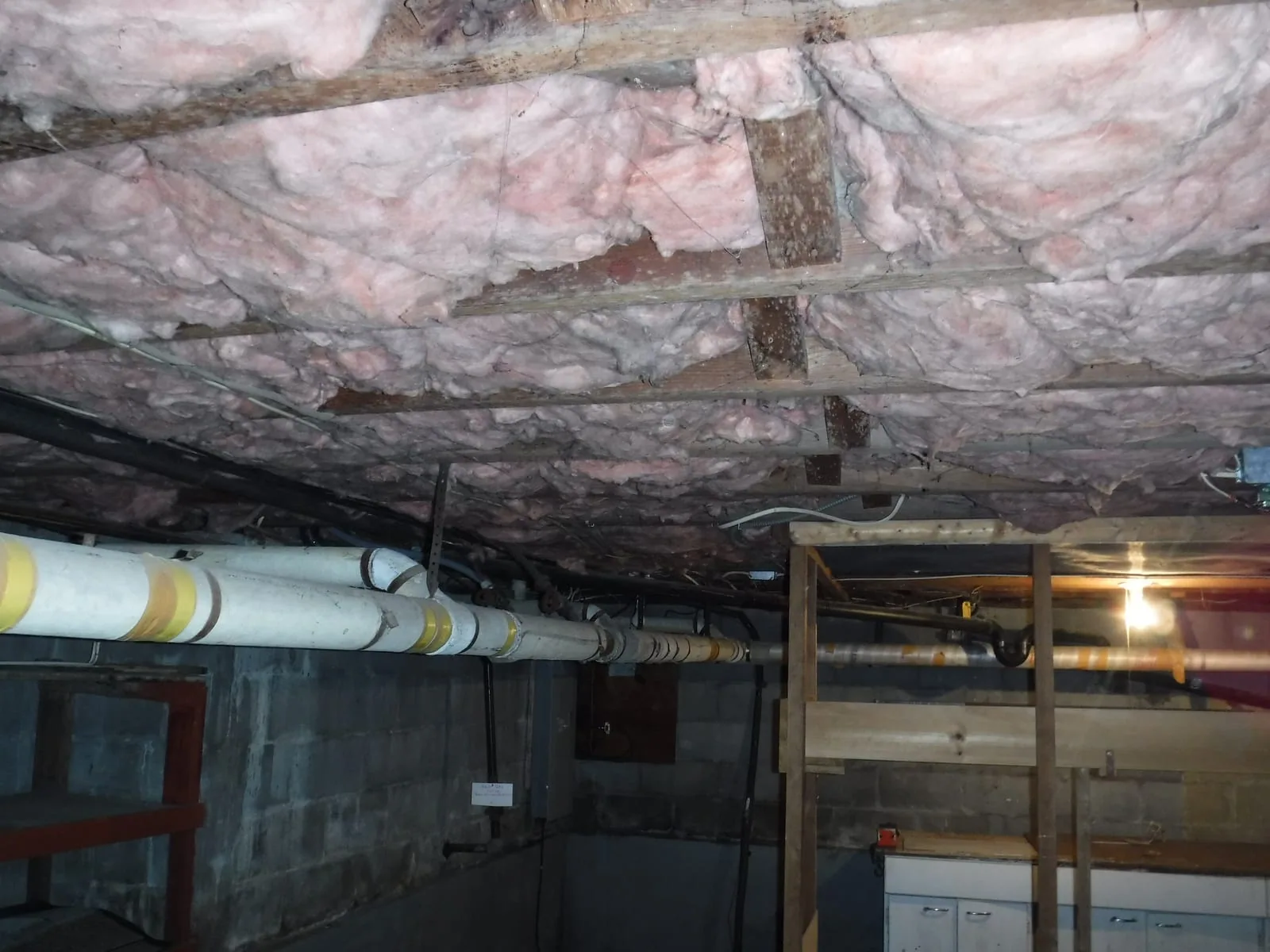
Mold After Basement Flooding: The 24-48 Hour Window
After a basement flood, mold risk depends on water category, dry time, humidity, and whether hidden cavities were actually verified dry.
Read Article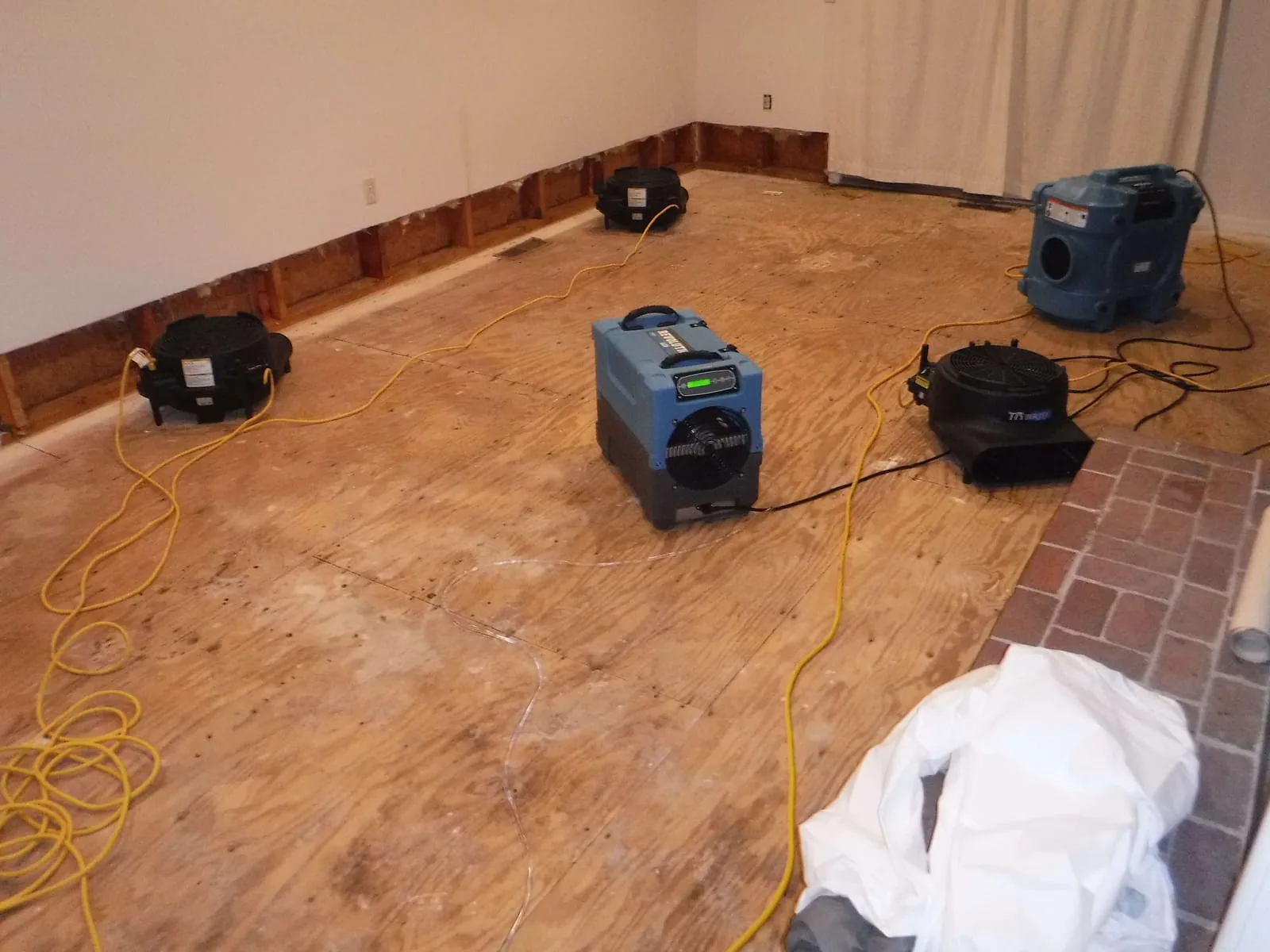
Hurricane Season Prep Guide for Connecticut & New York Homeowners
June to November brings tropical storms and nor'easters to the Long Island Sound region. Here's your pre-season checklist for protecting your home and property.
Read Article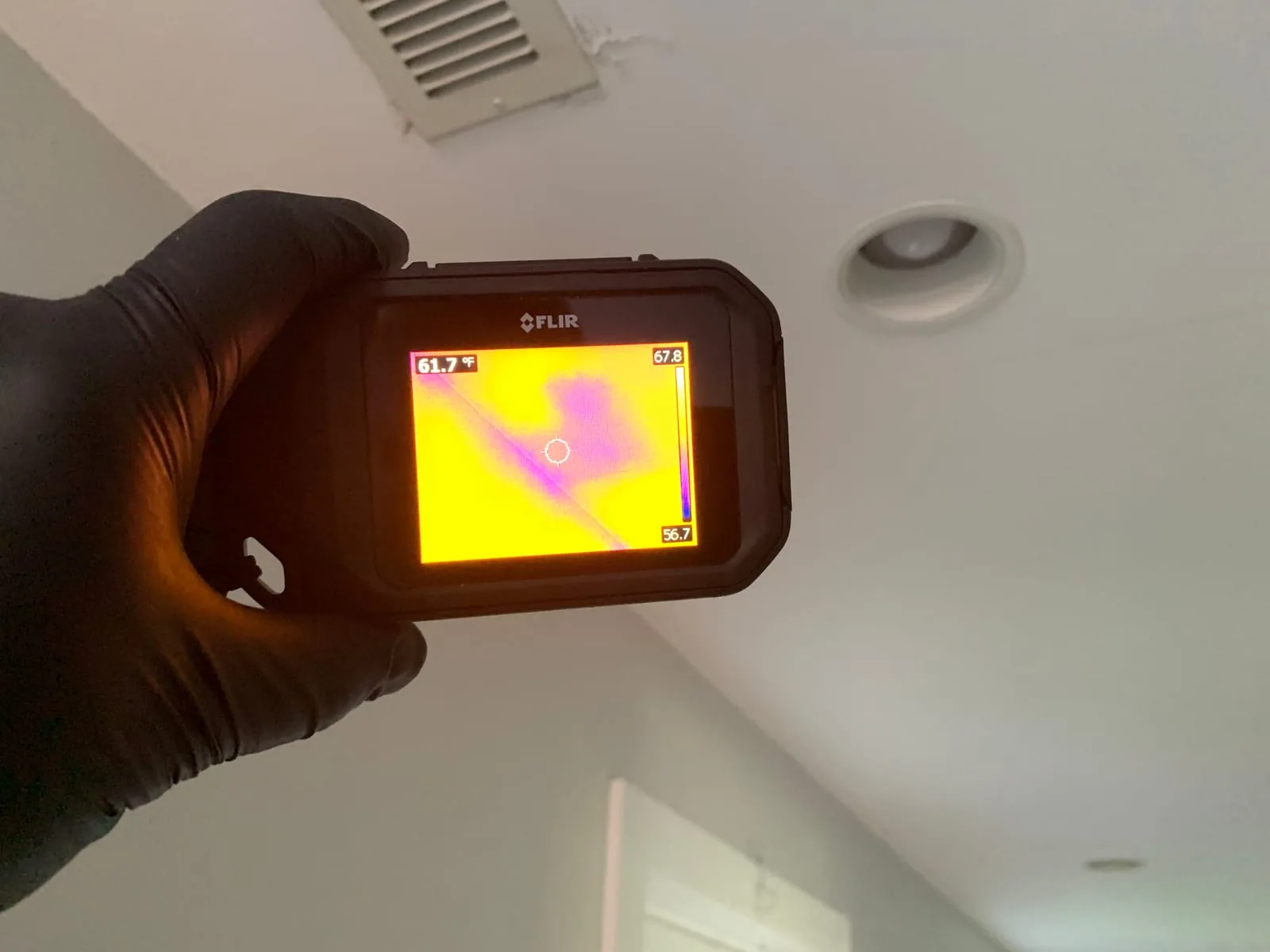
What Our FLIR Thermal Camera Sees Behind Your Walls
Water damage hides where your eyes can't see it — but a $4,000 FLIR thermal imaging camera reveals it instantly. Here's what the technology shows and why it matters for your restoration.
Read Article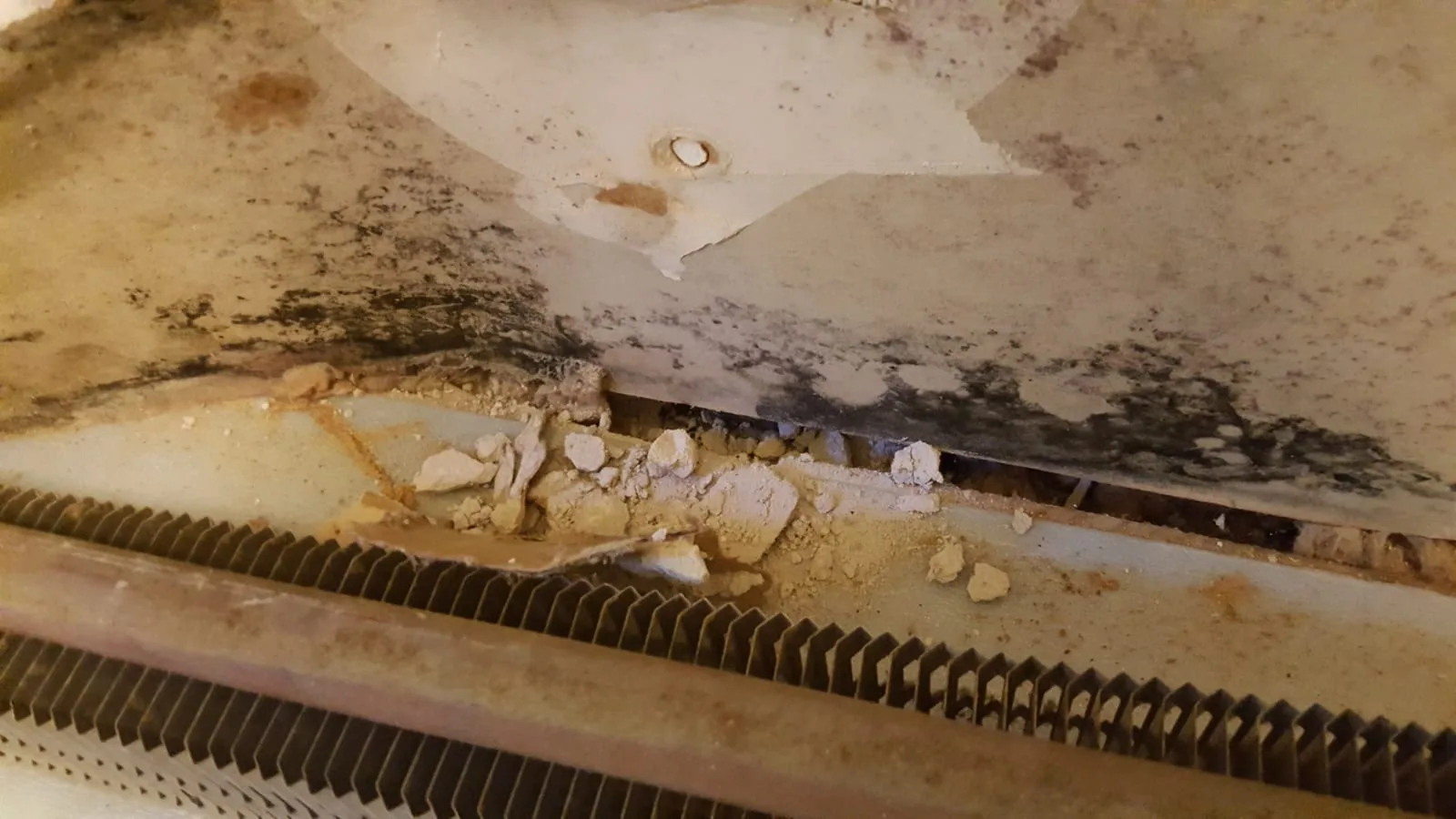
Mold in Rental Properties: Tenant Rights, Landlord Responsibilities in CT & NY
When mold appears in a rental, who pays for remediation — tenant or landlord? Here's what Connecticut and New York law actually requires, plus how to document and escalate properly.
Read Article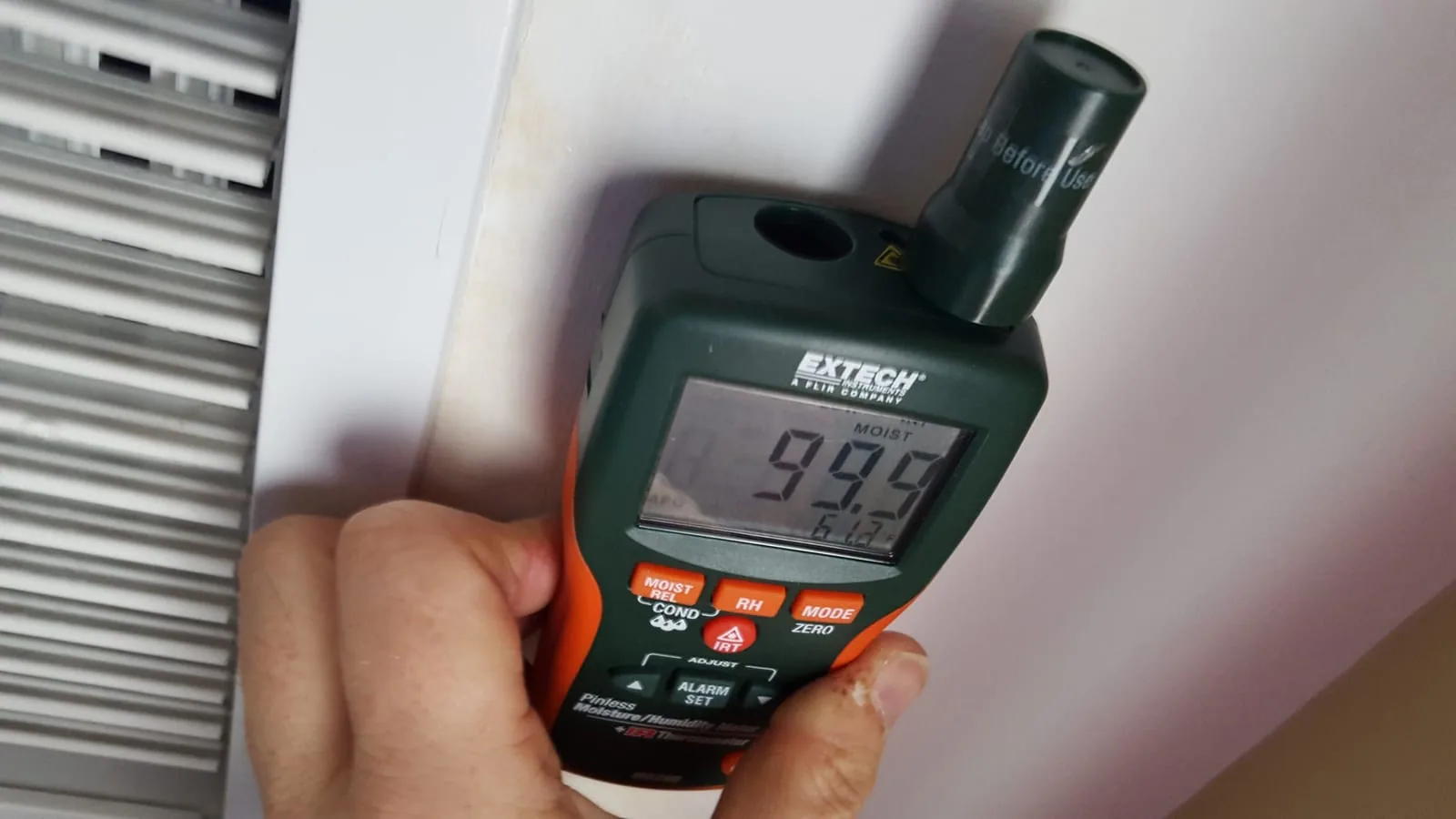
Reading Moisture Meters: Why a 99% Reading Means Hidden Water Damage
Professional moisture meters give us a single number that tells us everything about your water damage. Here's what 0%, 30%, 60%, and 99% actually mean — and why we measure twice daily during drying.
Read Article
How to Choose a Damage Restoration Company in Connecticut
Not all restoration companies are equal. Here are the certifications, insurance credentials, and scope-of-work questions that separate real professionals from the rest.
Read Article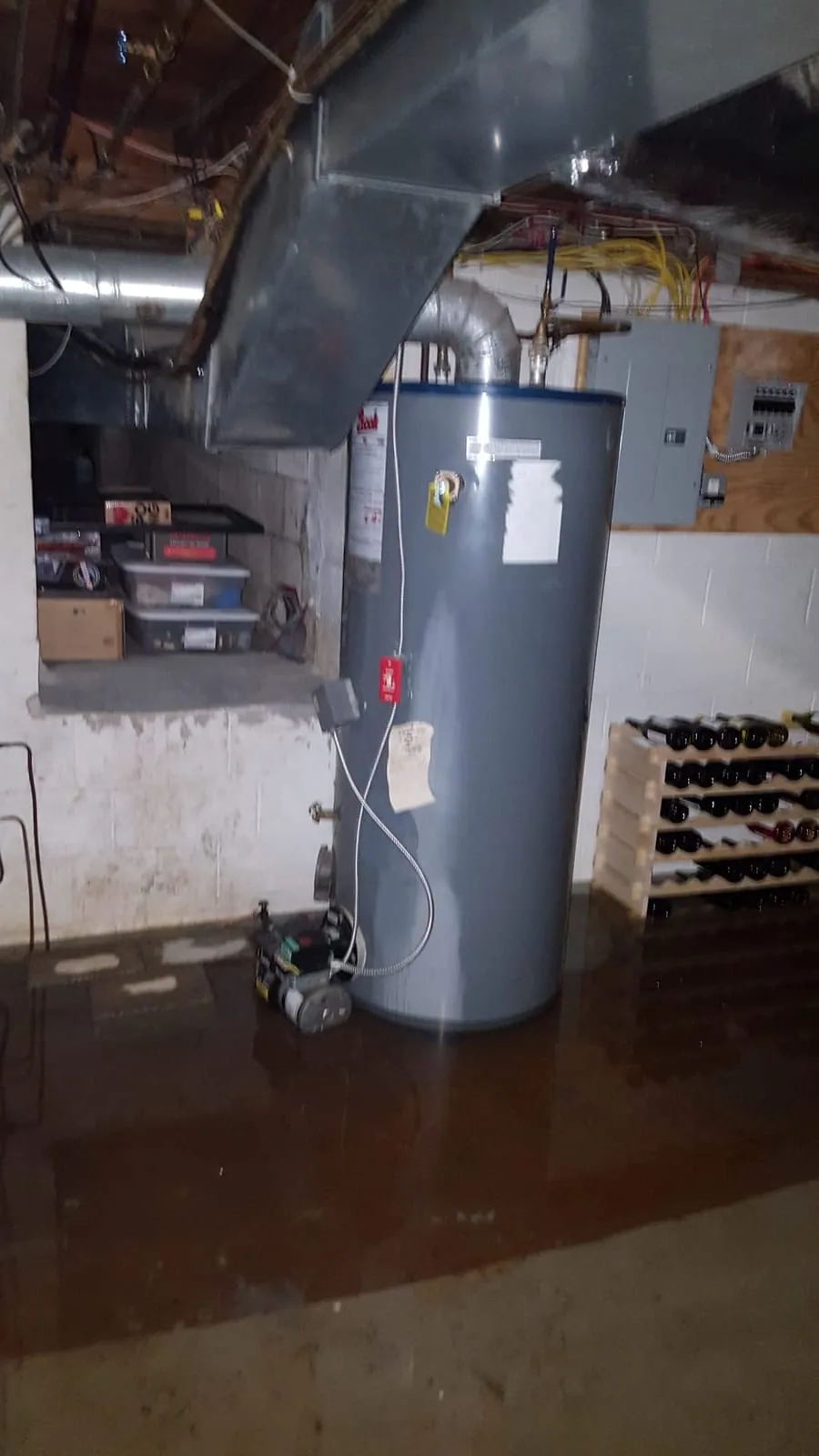
Anatomy of a Flooded Basement: Photo Walk-Through of an Emergency Response
What does a real flooded basement emergency look like from arrival to completion? This visual walk-through follows one Greenwich job from 4am call to keys-back six days later.
Read Article
HVAC Mold Contamination After Water Damage: The Hidden Threat
After a water event, your HVAC system is ground zero for mold amplification. Here's why it happens, how it spreads, and why skipping HVAC cleaning voids most remediation jobs.
Read Article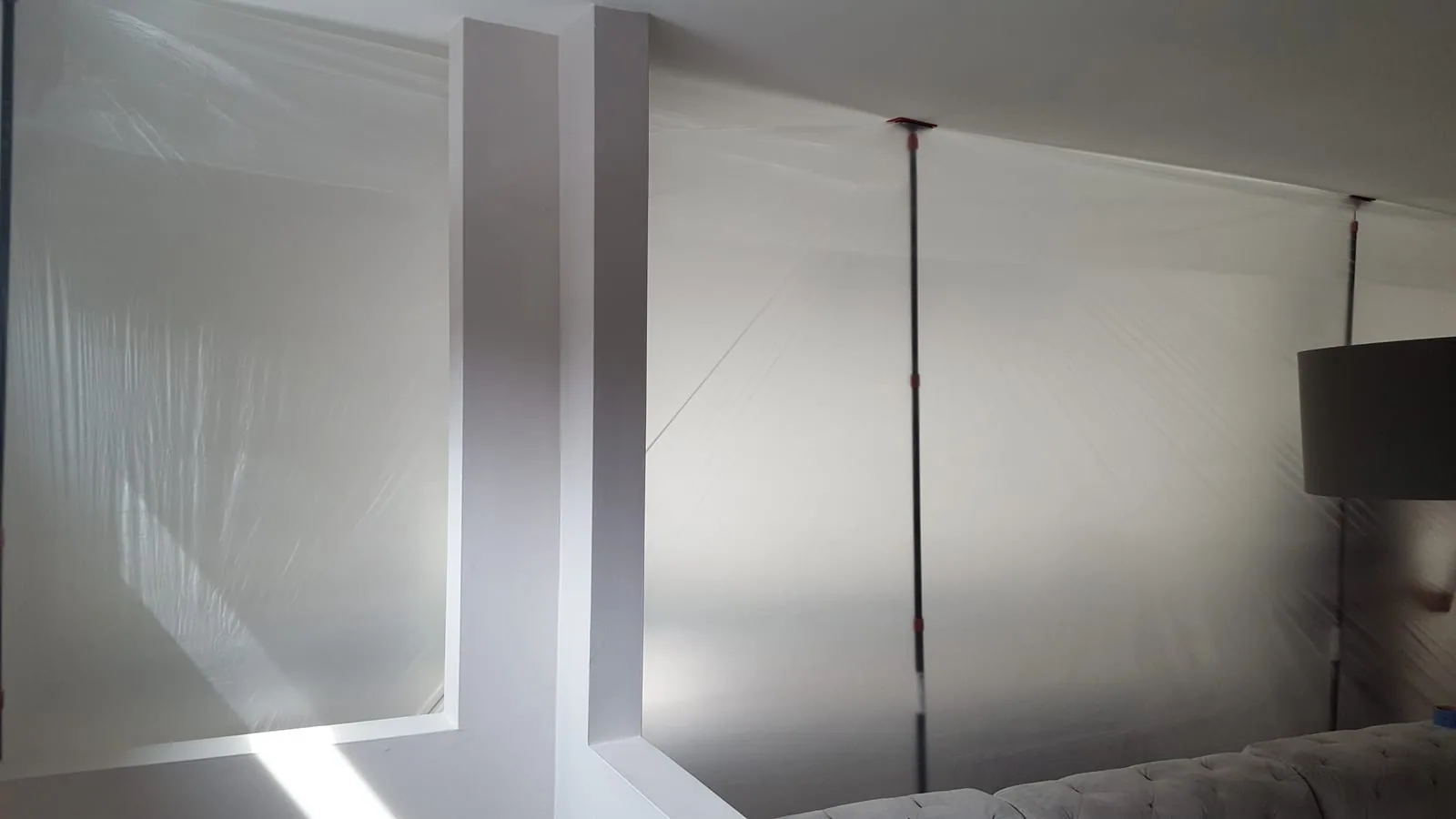
Mold Containment 101: Why Plastic Sheeting Saves You $20,000
When you see professional mold remediators set up plastic sheeting and zippered access, that's not theater — it's IICRC S520-required containment that prevents spores from spreading throughout your home.
Read Article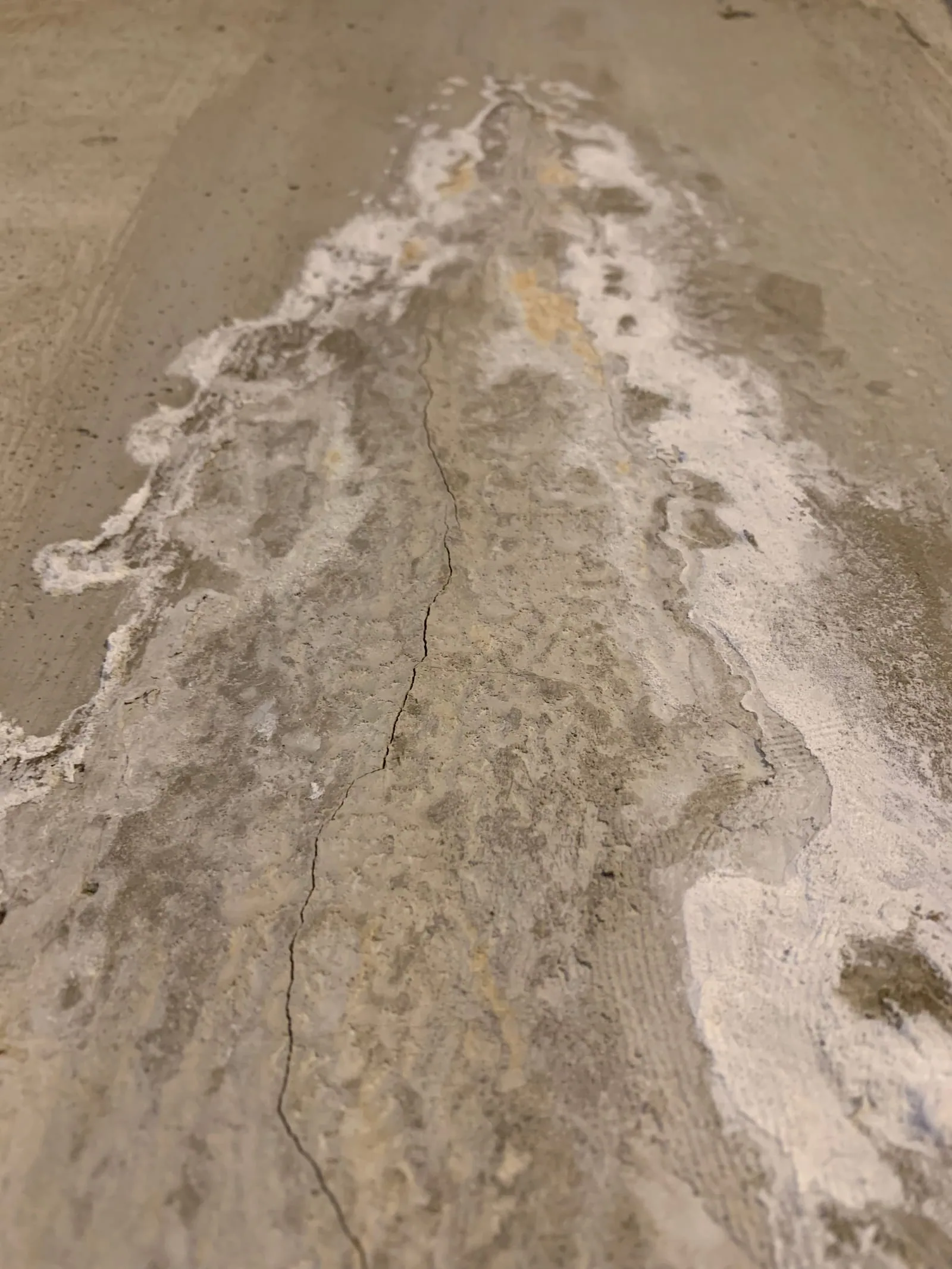
Efflorescence: The White Powder on Your Basement Walls (And What It Really Means)
That chalky white deposit creeping across your basement walls isn't just a cosmetic problem — it's mineral salts left behind by water actively passing through your foundation. Here's what it indicates and what to do.
Read ArticleIICRC Certification Explained: What the Letters After Our Name Mean
S500, S520, S700, WRT, ASD, AMRT — restoration certifications sound like alphabet soup. Here's what each one actually means and why it matters for your damage restoration.
Read Article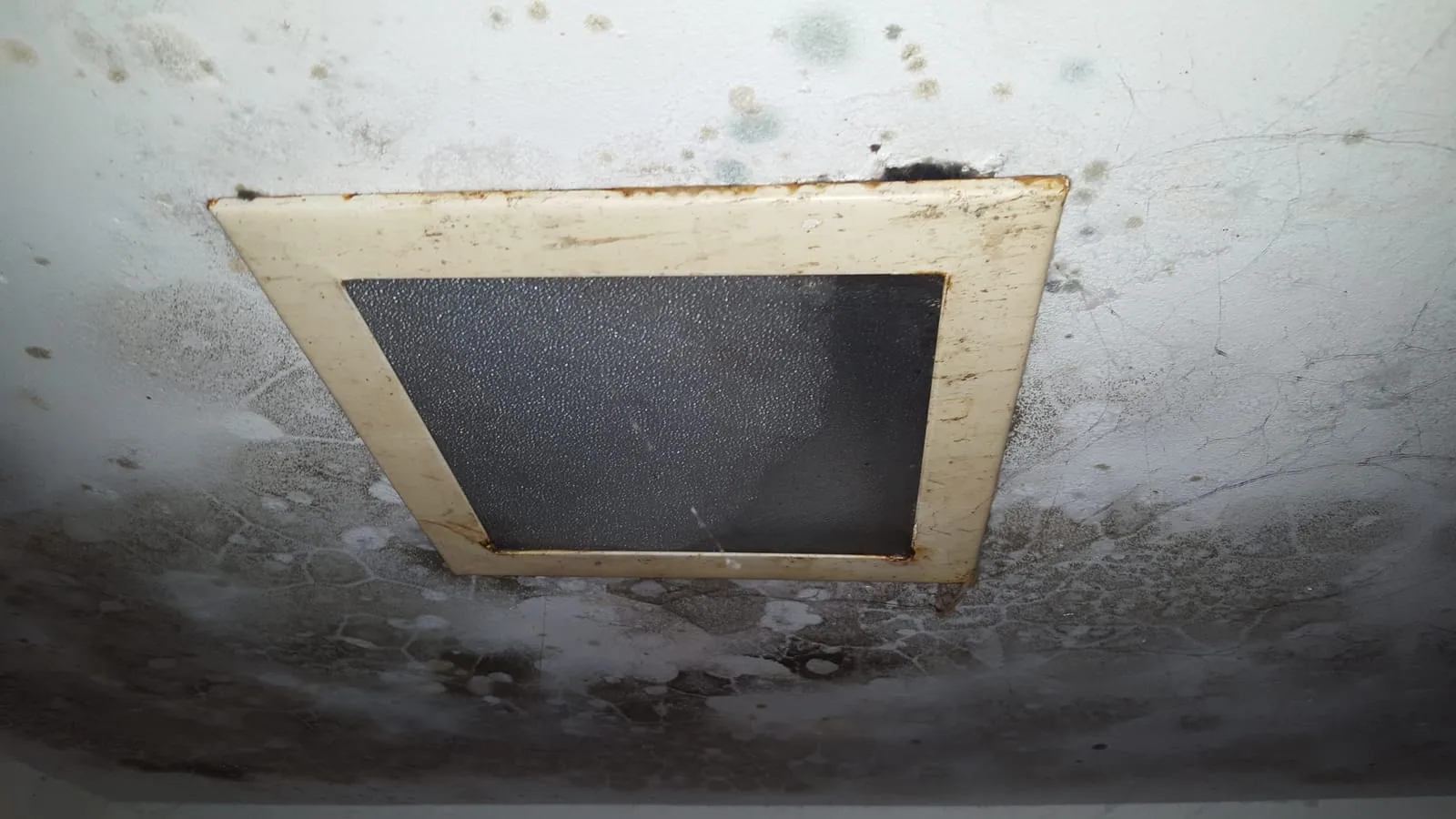
Black Mold: How to Identify It and Why It's Dangerous
Stachybotrys chartarum — commonly called black mold — is a serious health hazard. Here's how to recognize it, what symptoms to watch for, and when to call a remediation professional.
Read Article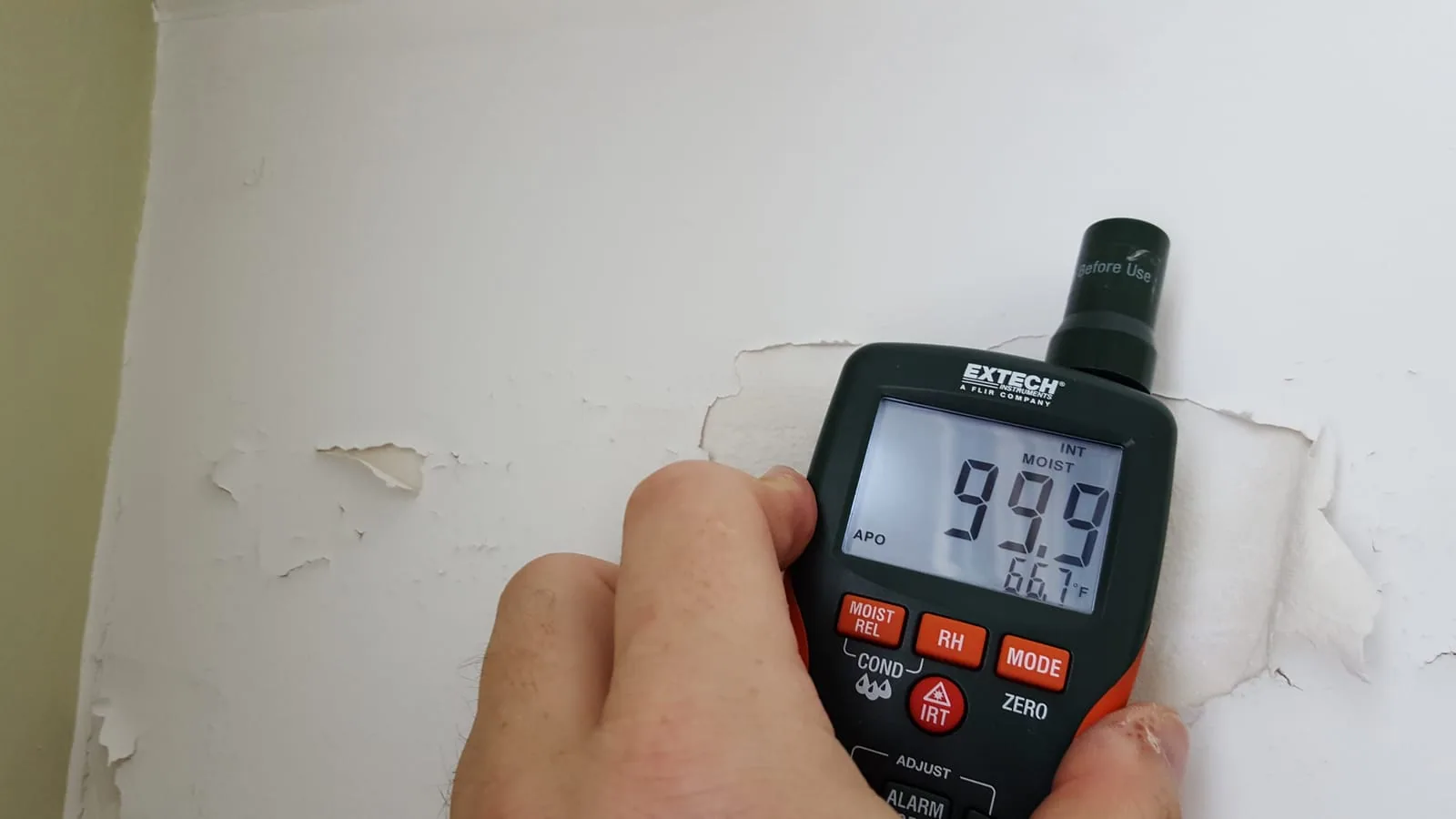
Peeling Paint = Hidden Leak: How to Read the Warning Signs
Paint that bubbles, peels, or discolors isn't a paint problem — it's a moisture problem. Here's how to read the warning signs and find the hidden leak before it becomes a $15,000 mold remediation.
Read Article
The Homeowner's Guide to Water Damage Insurance Claims in CT & NY
Filing a water damage claim correctly can be the difference between full coverage and a denied loss. Here's everything you need to know about documentation, adjusters, and common pitfalls.
Read Article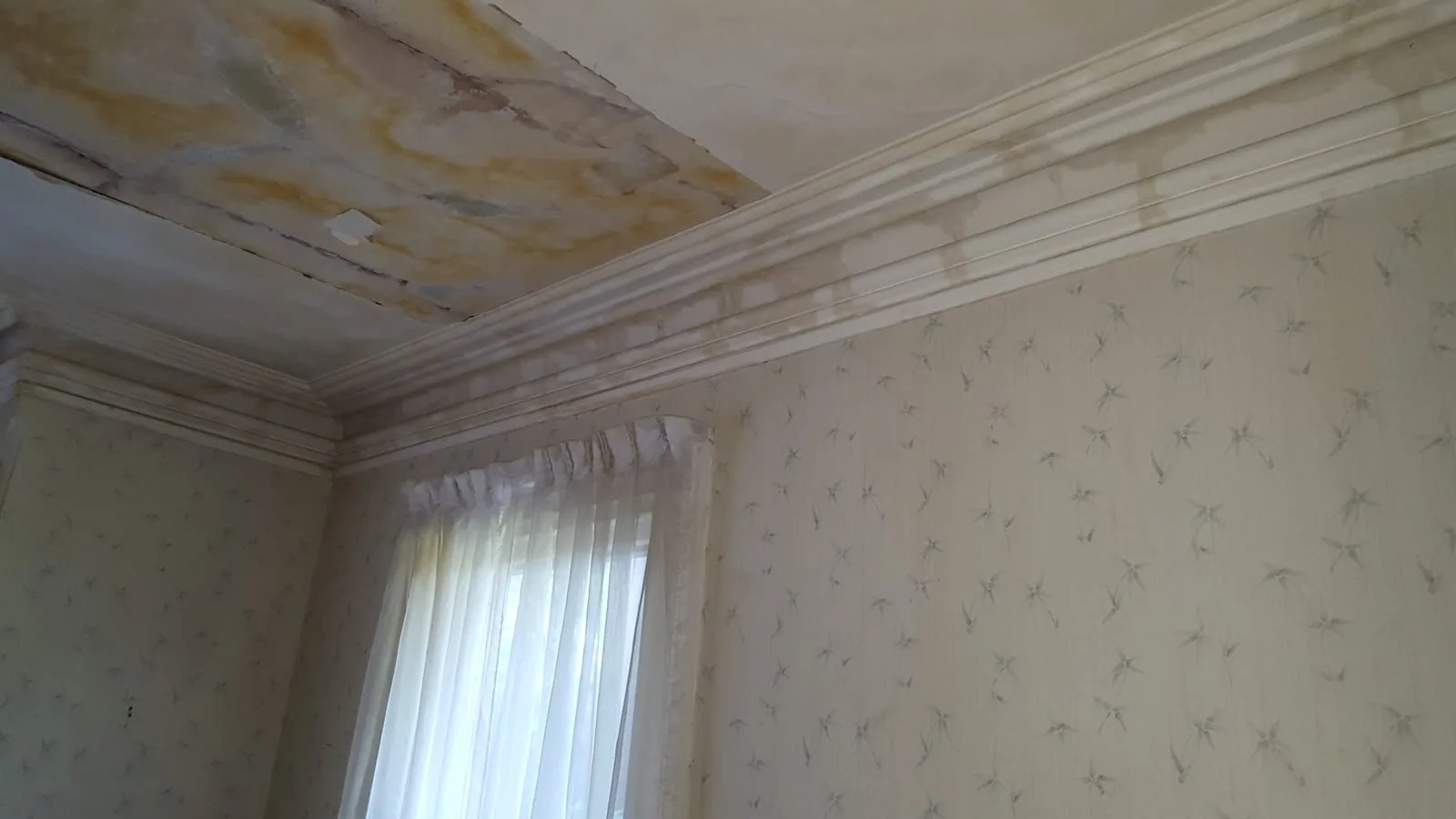
Category 1, 2, or 3 Water Damage: What the Classifications Mean for Your Restoration
The IICRC classifies water damage into three categories based on contamination level. Understanding the category determines cost, scope, and health risk.
Read Article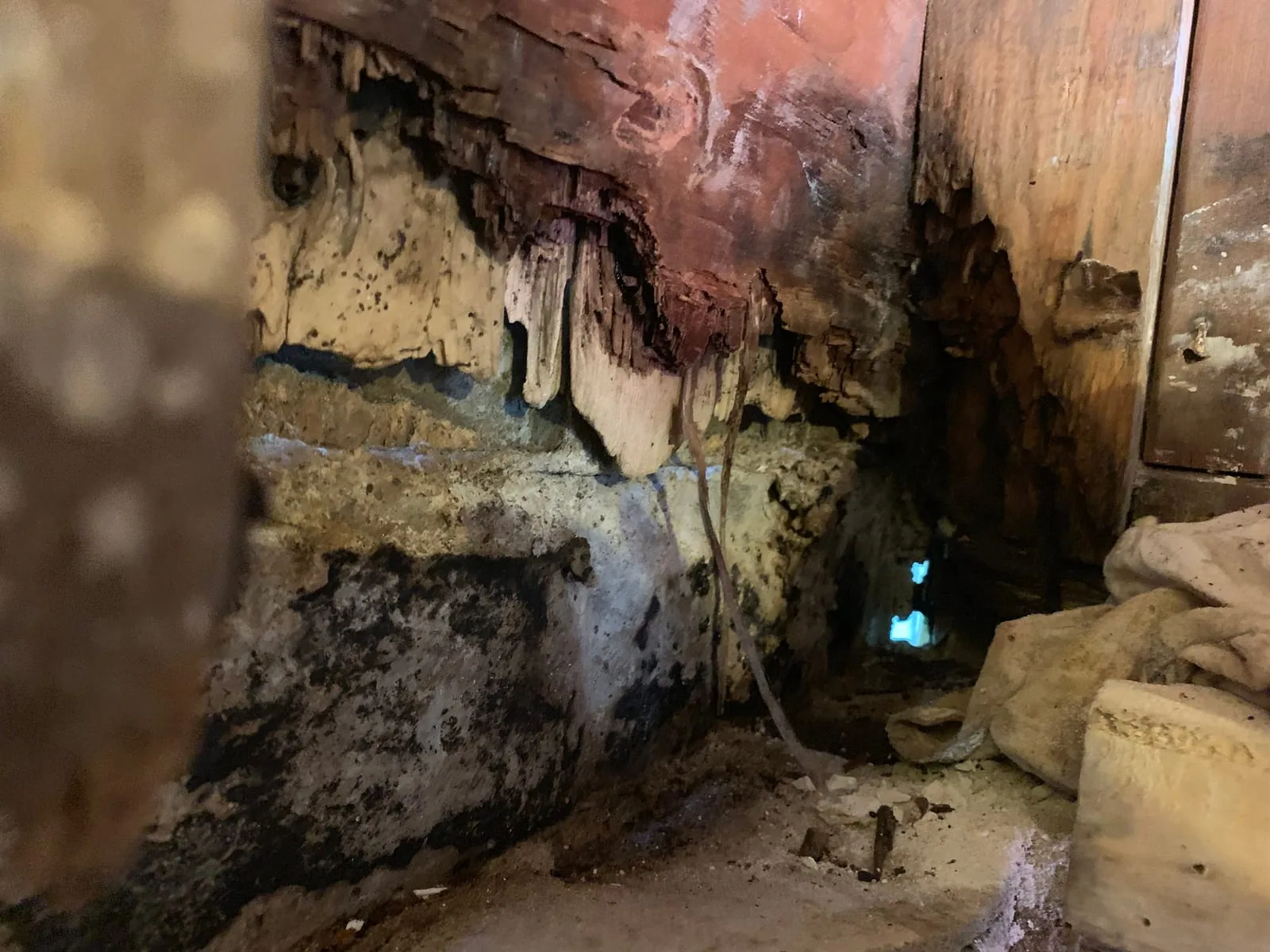
Kitchen Sink Leak: How a Small Drip Becomes a $15,000 Problem
A slow leak under your kitchen sink looks harmless — until the damage extends into the subfloor, cabinets, and wall cavity. Here's how to catch it early and what full remediation actually costs.
Read Article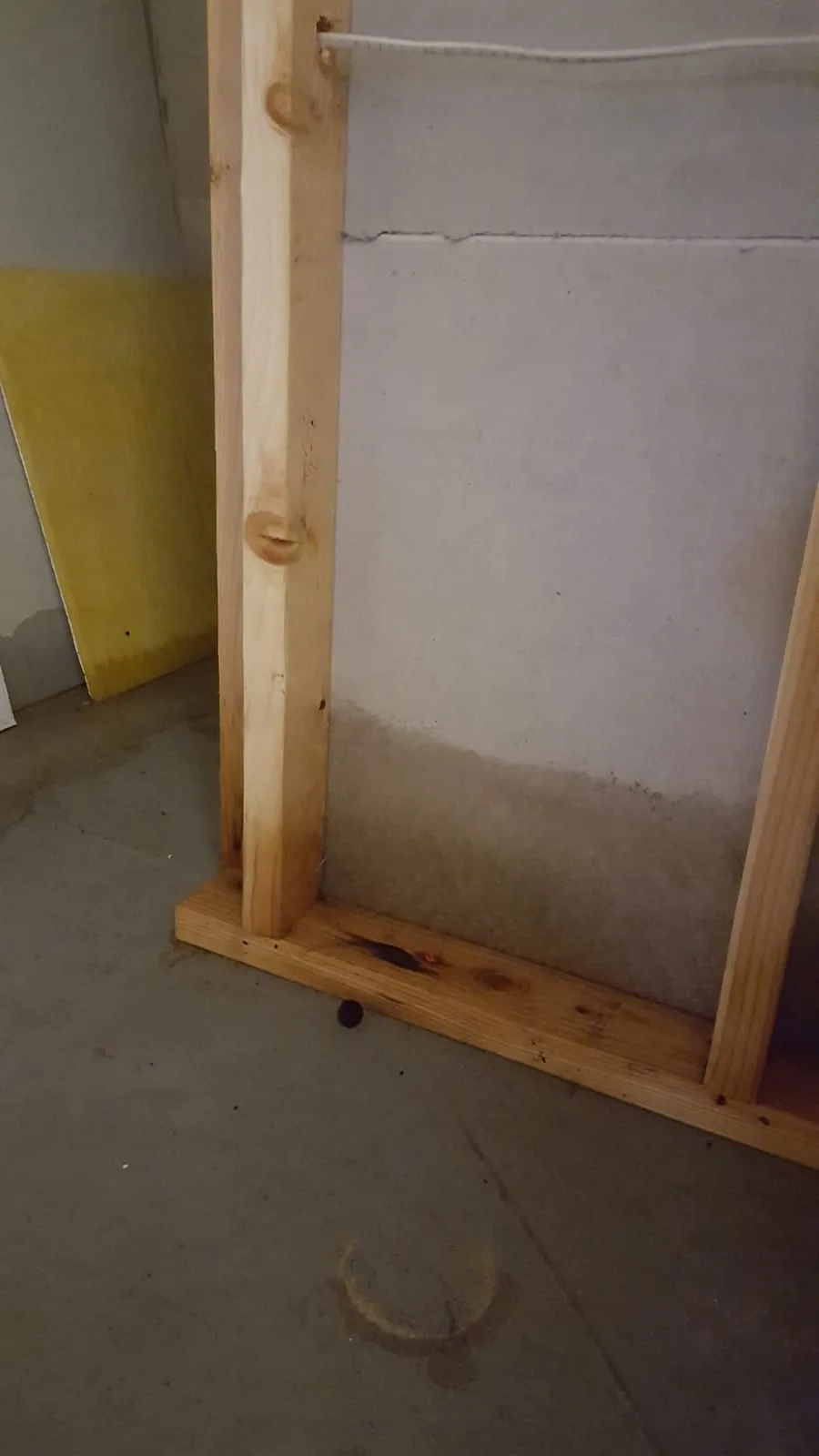
Sump Pump Maintenance: How to Prevent Failure Before the Storm
Your sump pump is your basement's last line of defense. This guide walks through testing, maintenance, battery backup selection, and when replacement is overdue.
Read Article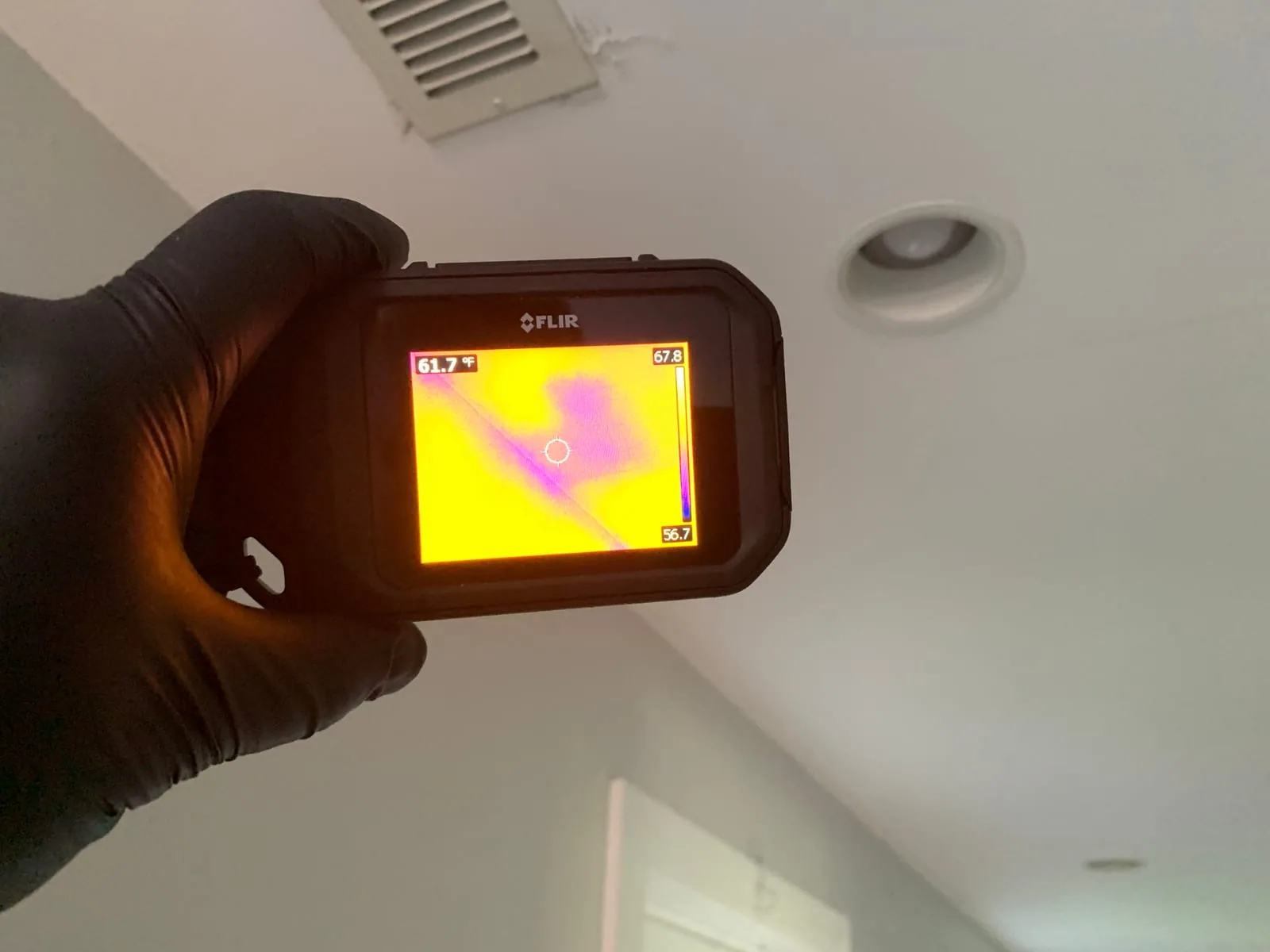
Post-Hurricane Home Inspection: A Checklist for CT/NY Homeowners
After a hurricane passes, the next 48 hours shape your insurance claim outcome. This checklist walks through every inspection point before you begin cleanup.
Read Article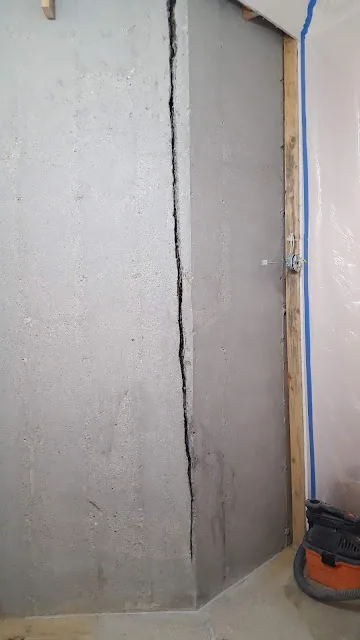
7 Signs of Water Damage You Should Never Ignore
Water damage often hides in plain sight. Knowing these warning signs can save you from a costly restoration bill and protect your family's health.
Read Article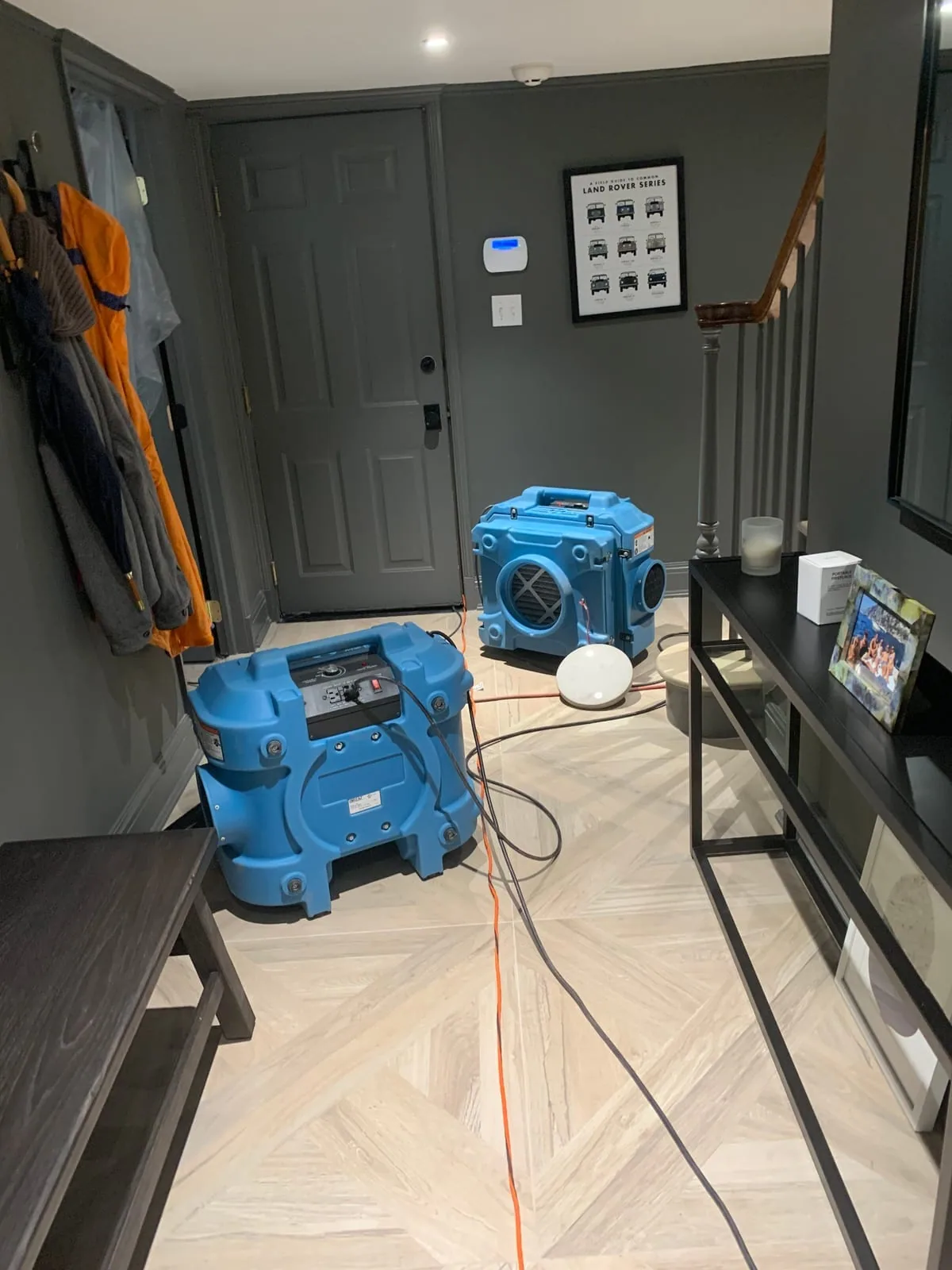
Sewer Backup Insurance: Why Most Policies Don't Cover It (and What to Add)
When your toilet backs up or basement drains fail, you discover the bad news: standard homeowners insurance excludes sewer backup. Here's how to get protected before disaster strikes.
Read Article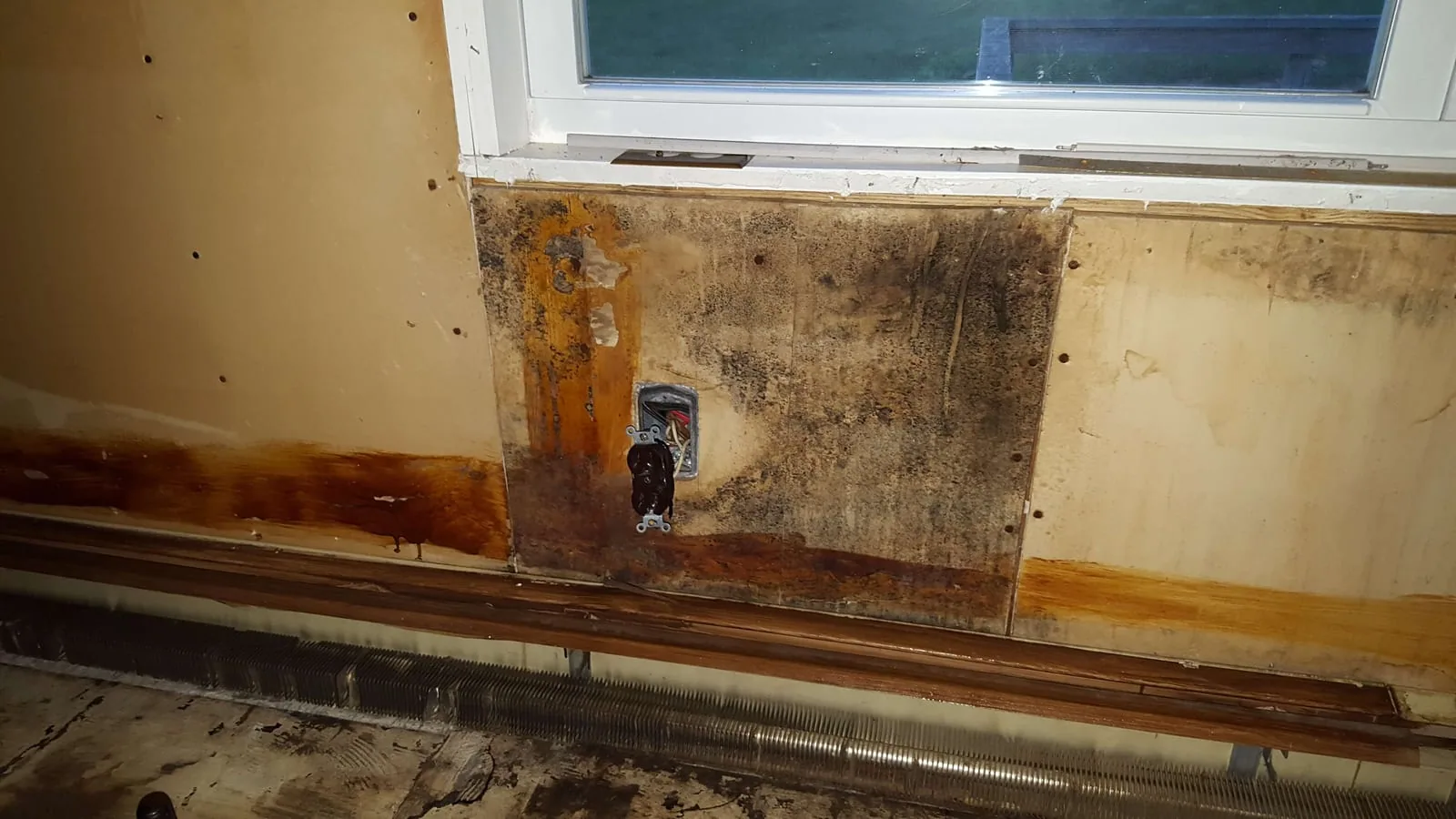
Water-Damaged Electronics: What Can Be Saved and What Can't
After a flood or leak, your electronics often look lost. But with the right response in the first 30 minutes, many can be recovered. Here's the realistic recovery guide.
Read Article
How Long Does Mold Remediation Take? A Realistic Timeline
Mold remediation isn't a same-day job. Here's what to expect from inspection through clearance testing — and why some jobs take days while others take weeks.
Read Article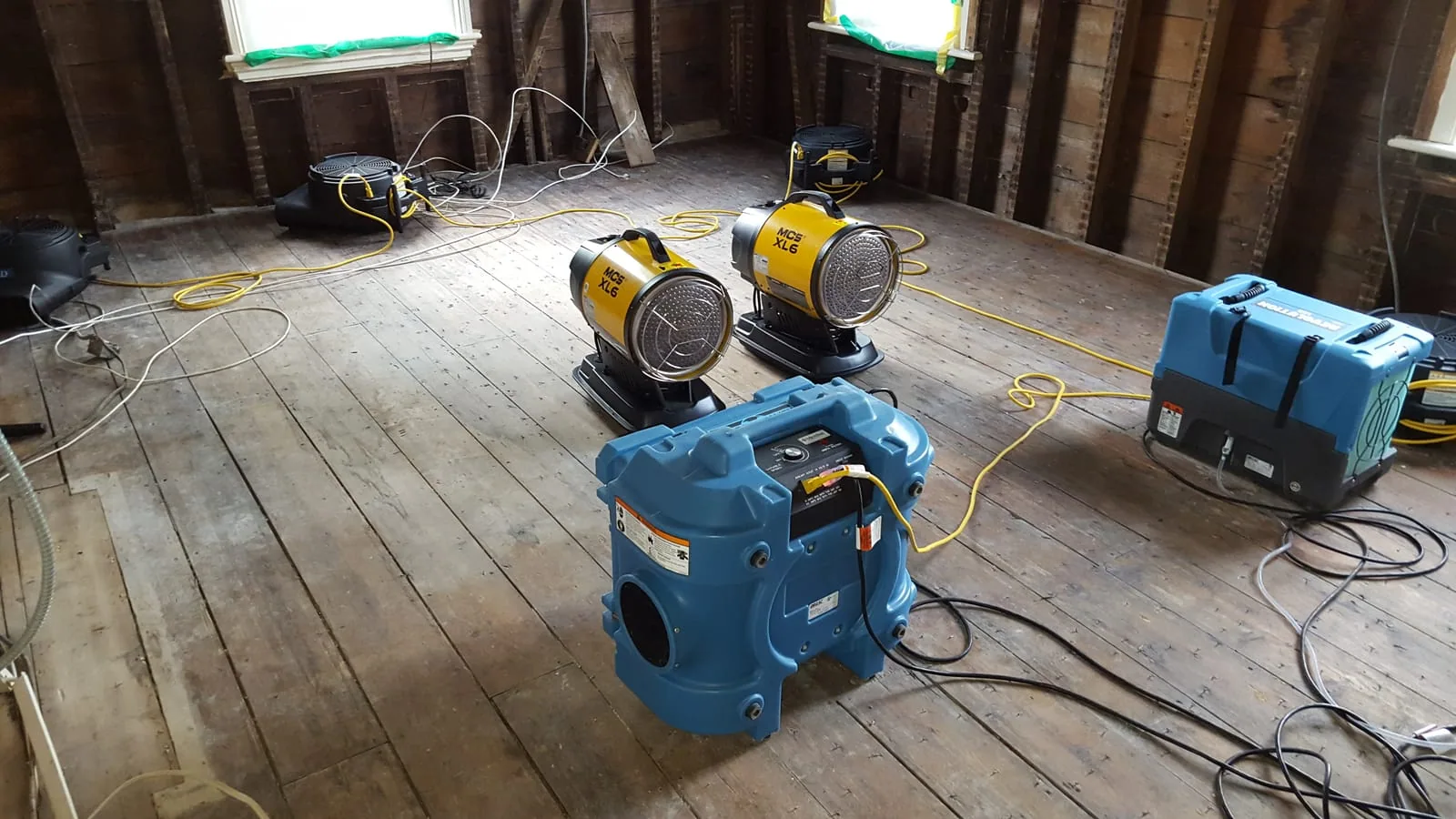
Professional Dehumidifiers: How Restoration-Grade Equipment Actually Dries Your Home
Consumer dehumidifiers can't handle water damage. Here's what makes restoration-grade LGR and desiccant units different — and why it matters for your drying outcome.
Read Article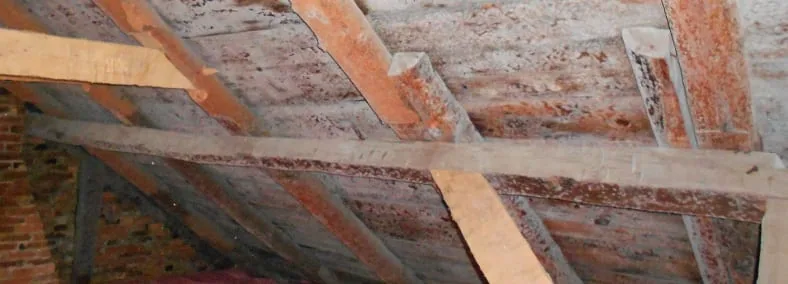
Mold vs. Mildew: What's the Difference and Why It Matters
Not all fungal growth is the same. Understanding the difference between mold and mildew helps you know when to clean it yourself and when to call a professional.
Read ArticleCondensation vs. Water Leak: How to Tell the Difference
Is that wet spot on your ceiling a leak or just condensation? Getting the diagnosis wrong costs thousands. Here are the telltale signs of each — and when to call a professional.
Read Article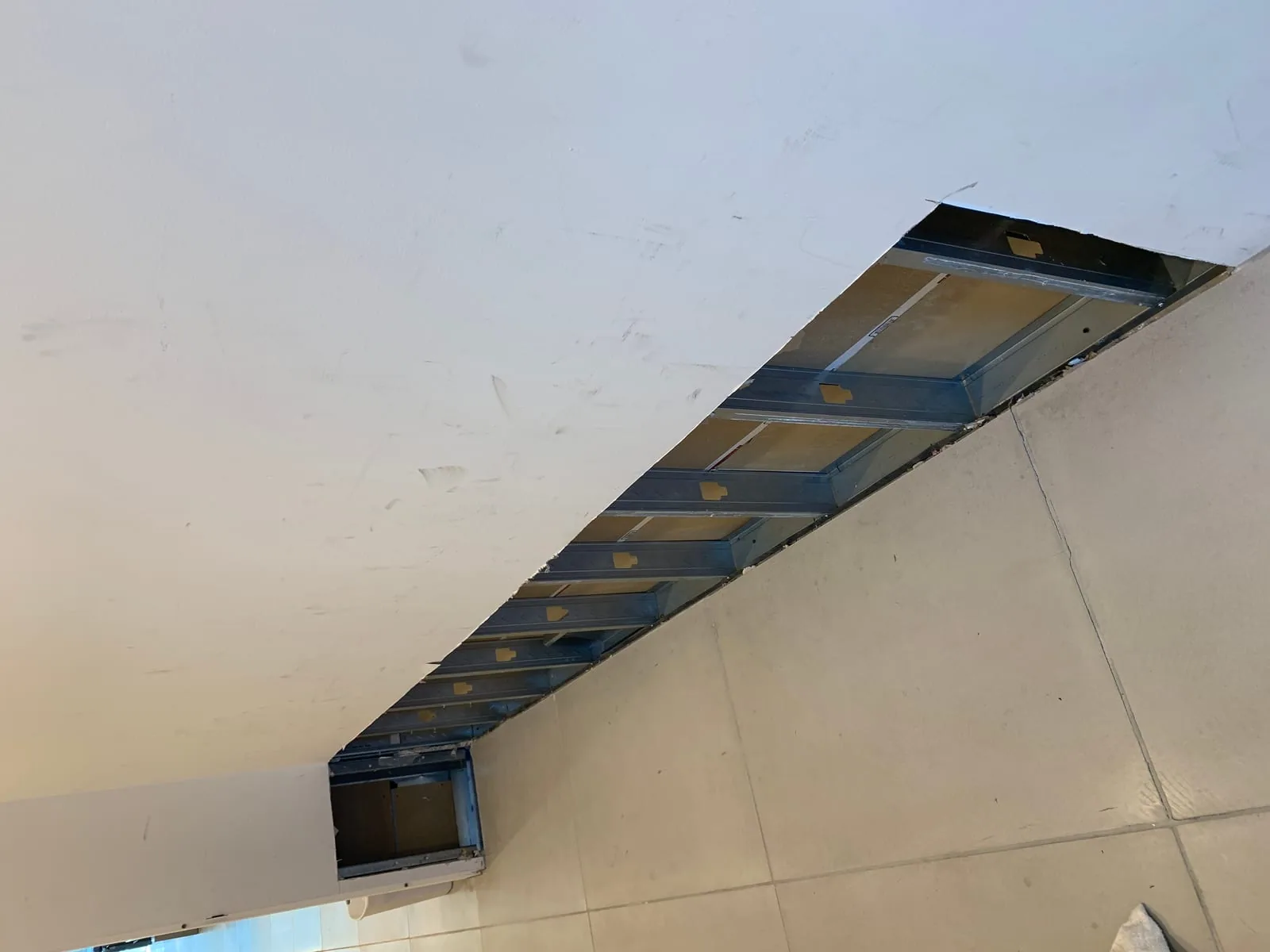
Commercial Water Damage: Minimizing Downtime When Every Hour Costs Money
For business owners, water damage isn't just property loss — it's lost revenue. Here's how professional commercial restoration minimizes downtime and protects your operation.
Read Article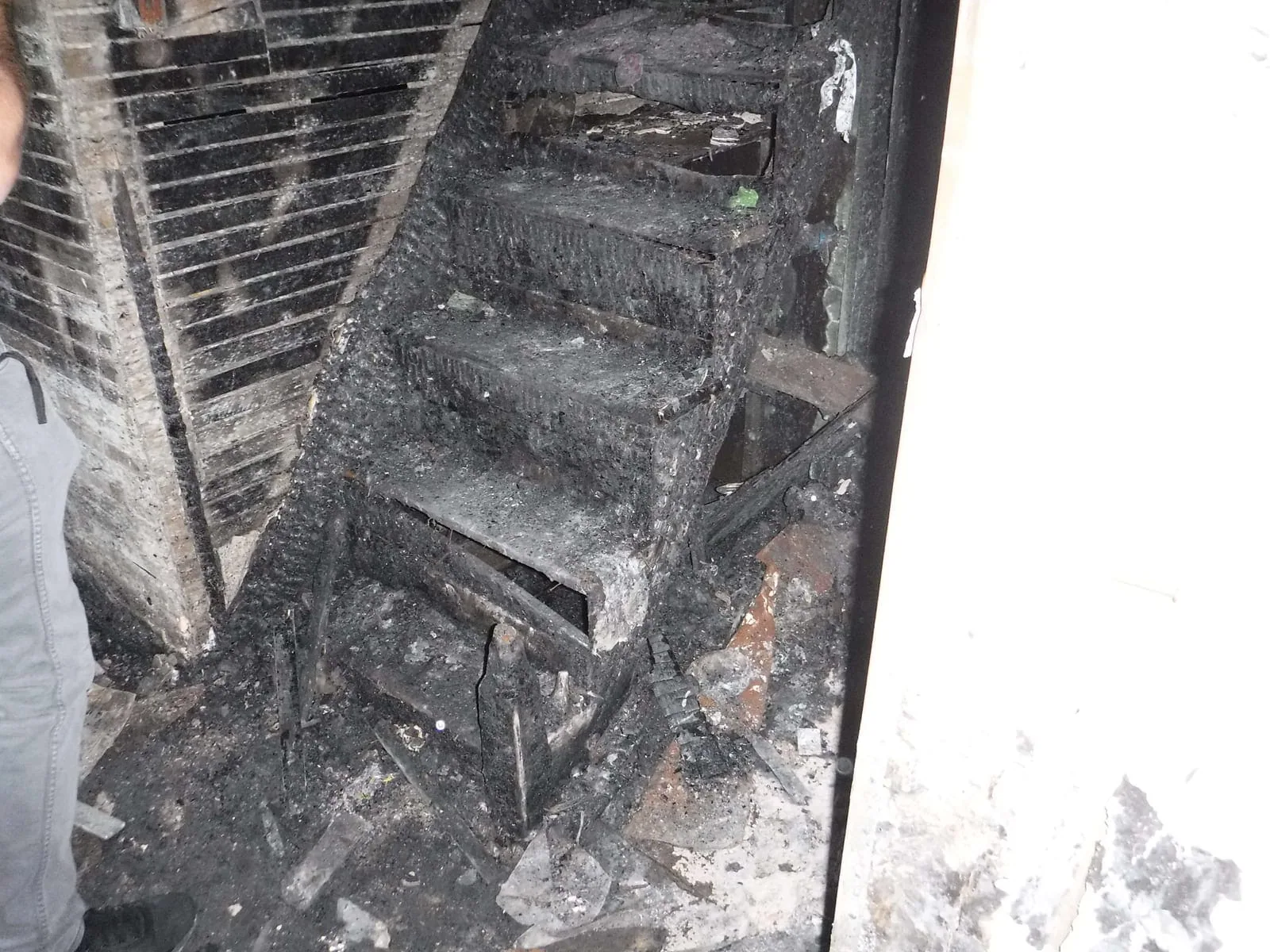
How to Get Rid of Smoke Odor After a Fire — What Actually Works
Smoke odor penetrates drywall, fabrics, and HVAC systems. Scented candles and air fresheners don't remove it — only specific professional techniques do.
Read Article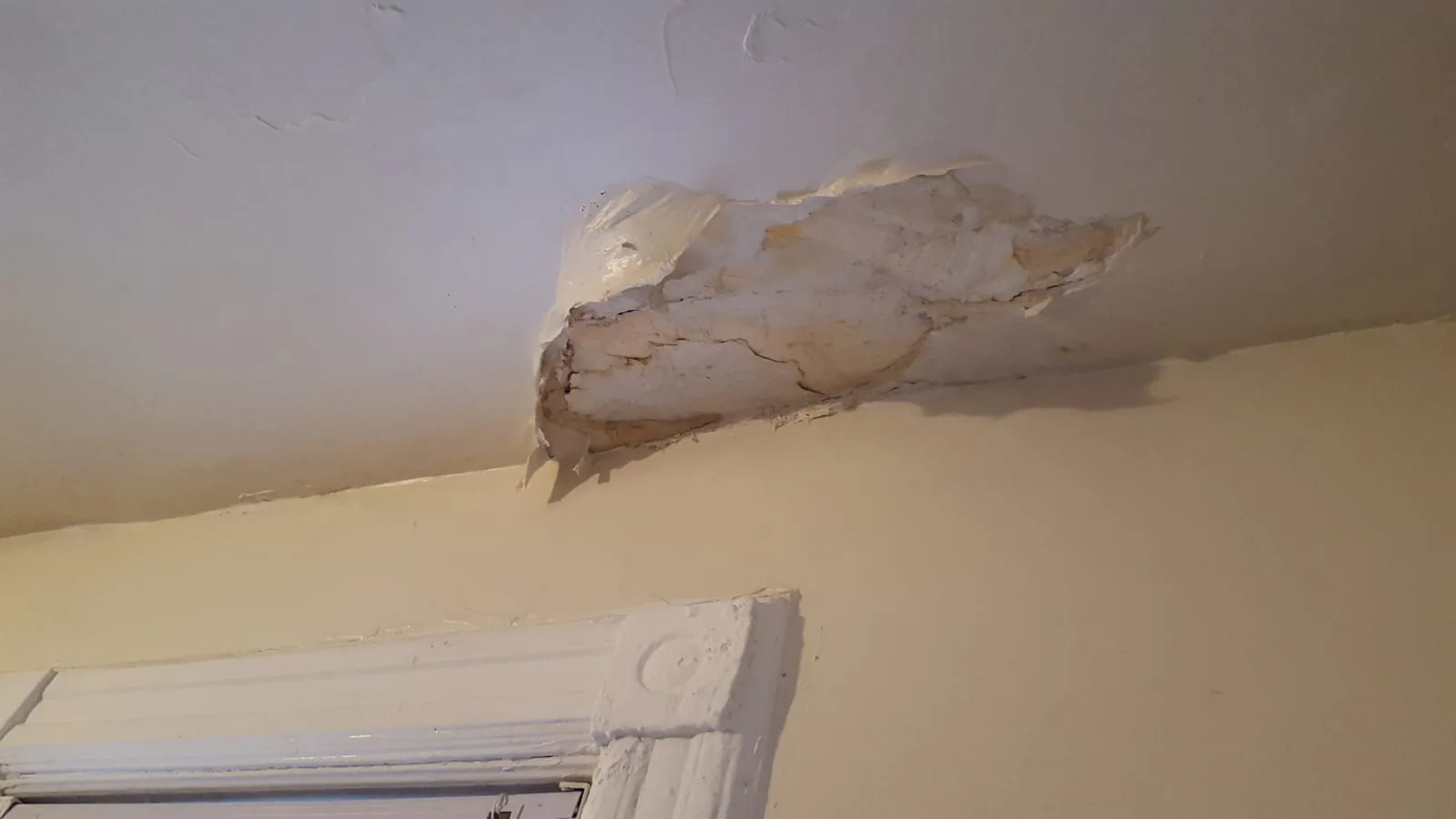
Ice Dams: Why They Form, How They Damage Homes, and How to Stop Them
Those beautiful icicles on your eaves are a warning sign. Ice dams cause water to back up under shingles and into your ceilings — a common January emergency across CT and NY.
Read Article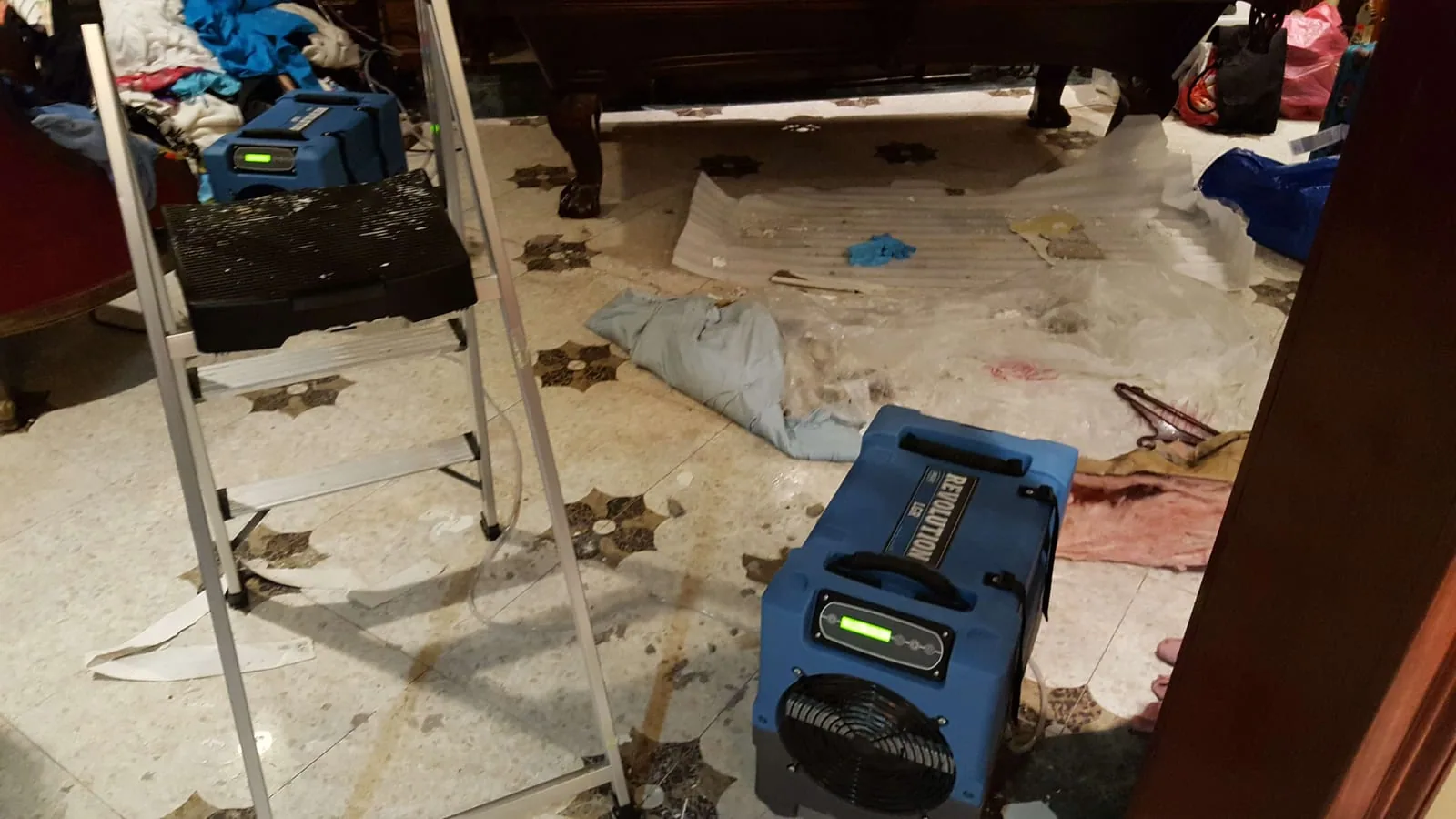
What to Do Immediately After Storm Damage to Your Home
The first hours after a storm can make the difference between a minor repair and a major restoration. Here's exactly what to do — and what not to do.
Read Article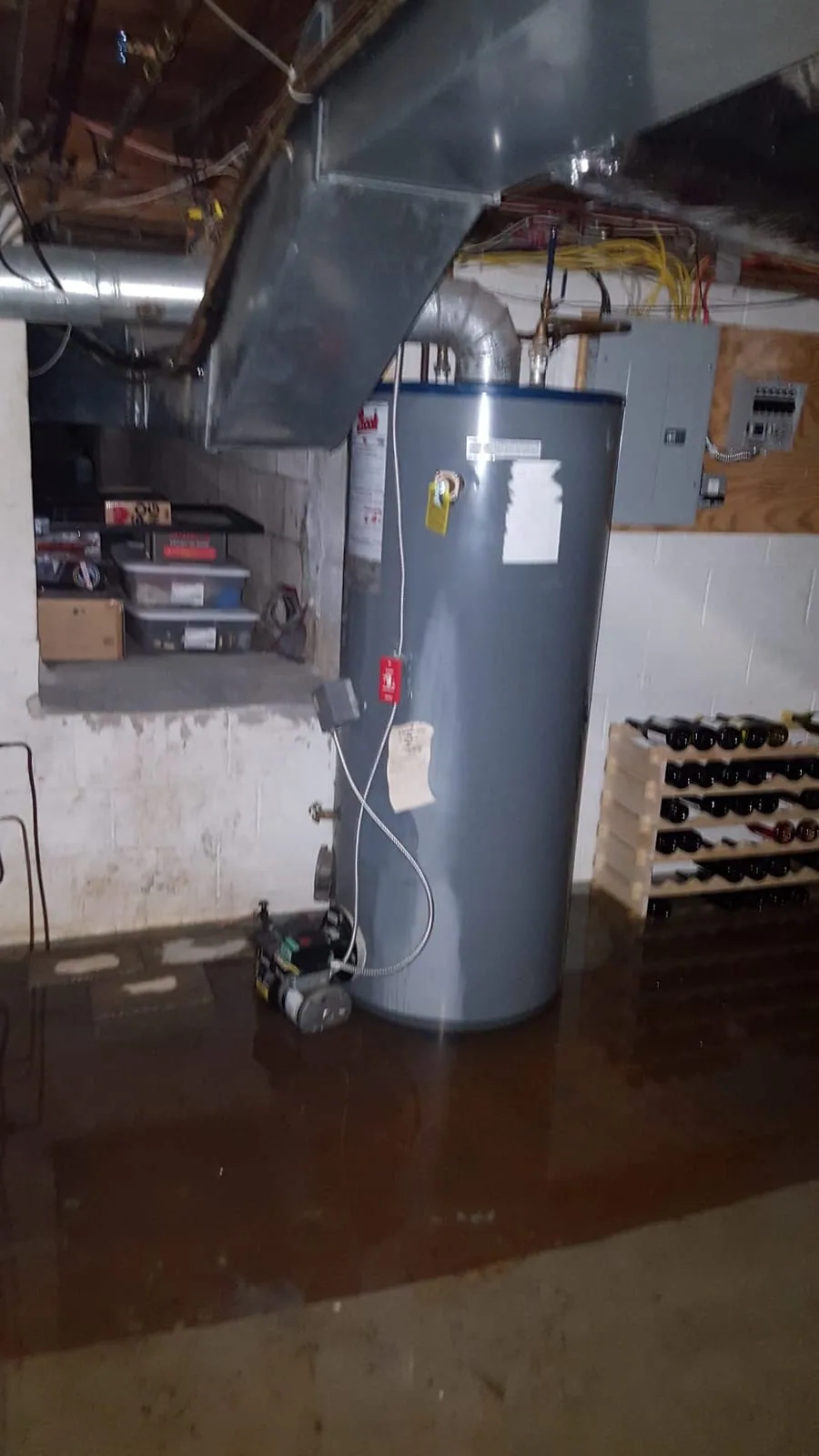
Flooded Basement: The First 60 Minutes Determine Everything
When you find standing water in your basement, your actions in the first hour shape the entire restoration outcome. Here's exactly what to do — and what to avoid.
Read Article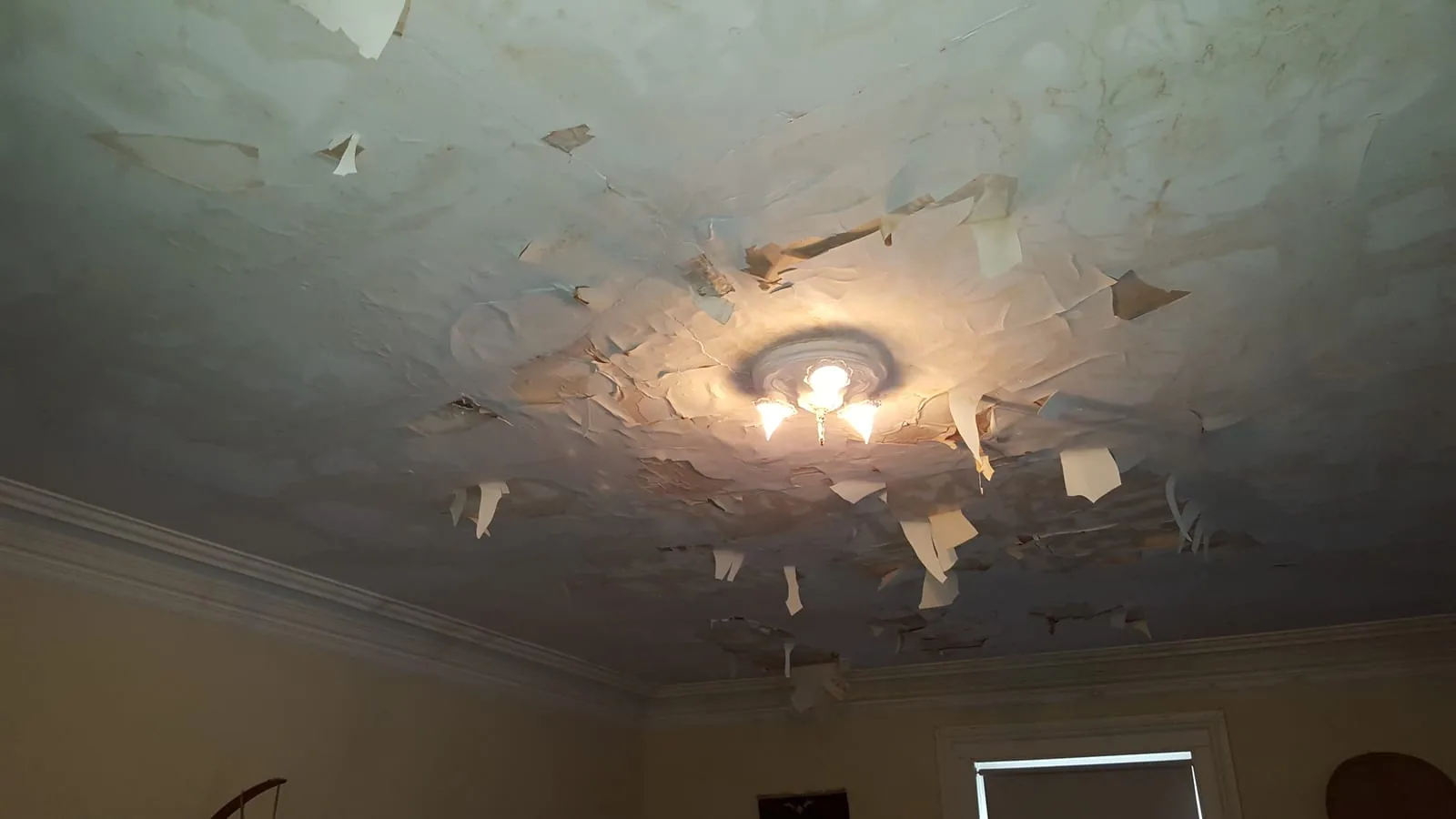
Frozen Pipe Prevention: A CT/NY Winter Survival Guide
A burst frozen pipe can release 250+ gallons per hour. Here's how to keep your pipes flowing through single-digit CT/NY winter nights.
Read ArticleHow to Prevent Basement Flooding Before the Next Heavy Rain
Basement flooding is largely preventable. These steps can protect your home from water intrusion during heavy rainfall and snowmelt.
Read ArticleDamage Doesn't Wait — Neither Do We
60-minute response. Free estimate. We handle your insurance claim.
IICRC Certified • Licensed & Insured • All Major Insurance Carriers