
Most homeowners discover the HVAC-mold connection the hard way. They spend $15,000 on mold remediation, everything looks clean, and within six weeks the musty smell returns. The culprit is almost always the HVAC system — which was never properly decontaminated. If you've had a significant water event, understanding this matters.
Why HVAC Is a Mold Amplifier
HVAC systems operate by moving air across cold coils. This cools the air but also creates condensation — moisture that collects in drain pans and settles on ductwork interiors. After a water event, spore counts in household air spike. The HVAC pulls those spores across cool, damp surfaces where they germinate and colonize.
The Four HVAC Mold Reservoirs
- 1Evaporator coils — moisture + dust + dark = ideal colonization site
- 2Condensate drain pans — standing water always, often biofilm-coated
- 3Plenum and trunk line — ductwork where spores settle
- 4Filter boxes and returns — spores pass through on every cycle
Why Duct Cleaning Alone Doesn't Solve It
Marketed "duct cleaning" typically means HEPA vacuuming supply ducts only. That's maybe 30% of the problem. Without cleaning the coils, condensate pan, return air paths, and installing a HEPA media filter, reinfection is near-guaranteed.
What Professional HVAC Decontamination Includes
Our mold remediation protocols include:
- Full coil cleaning with antimicrobial treatment
- Drain pan disinfection or replacement
- Supply and return duct HEPA vacuuming
- Plenum wipe-down
- Blower housing cleaning
- UV germicidal lamp installation (optional)
- MERV 13+ media filter installation
- Post-treatment air quality testing via the HVAC
Skipping any of these leaves a reservoir for re-colonization.
When HVAC Decontamination Is Non-Negotiable
- After any mold remediation — if the HVAC ran during contamination, it's contaminated
- After significant water damage — moisture feeds directly into the system
- After sewage backup — pathogens aerosolize through the system
- After fire damage — soot particles bond to cool coil surfaces
- If residents report persistent musty smell after remediation
If you've had a water event in Greenwich, Stamford, Scarsdale, or anywhere in our service area, ask your remediation company explicitly about HVAC decontamination. If it's not in the scope, demand it. If they resist, call 911 Storm — we include HVAC as part of every significant remediation job.
Frequently Asked Questions
How do I know if my HVAC has mold?+
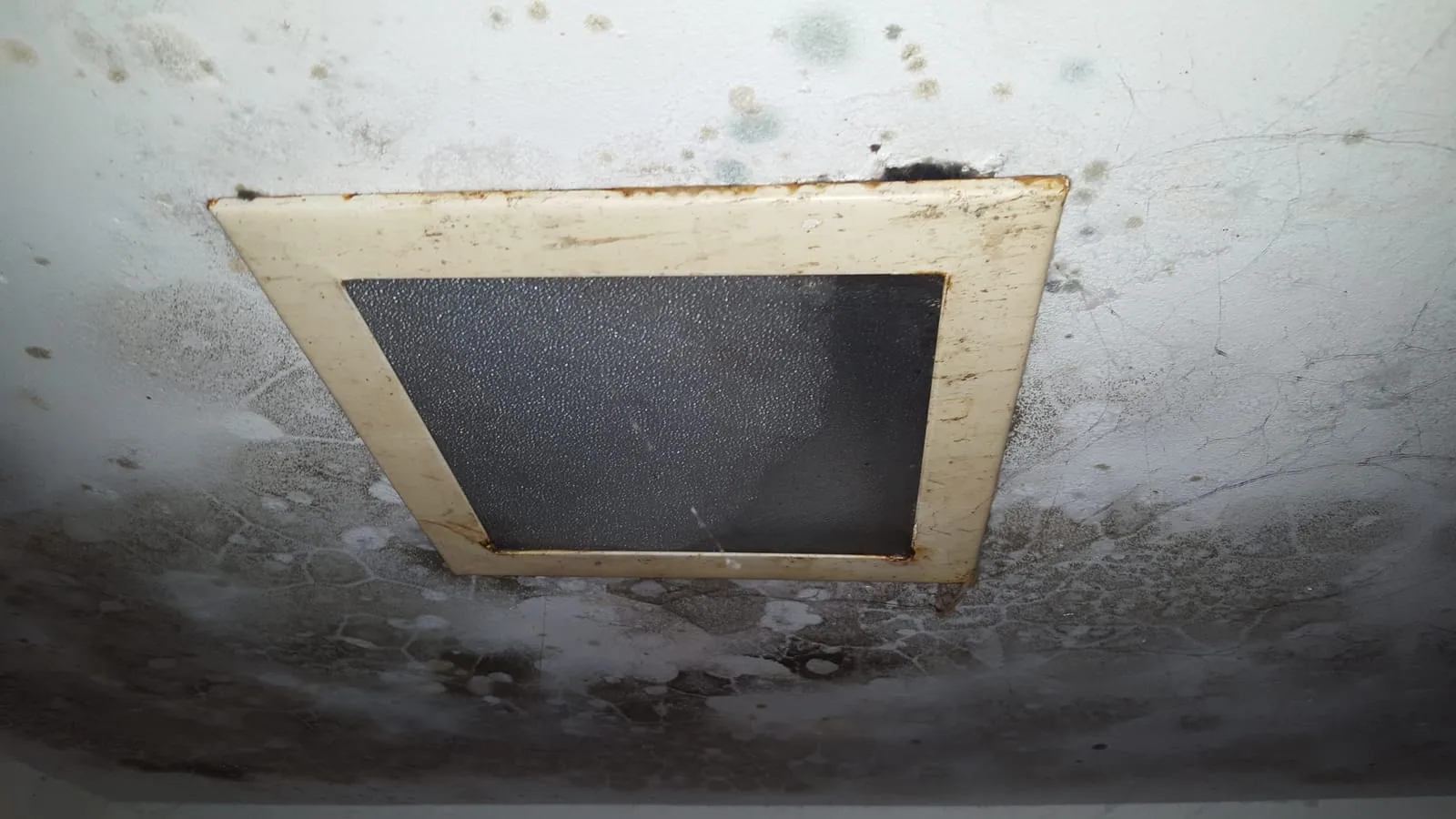
Musty smell from vents when the system runs, visible growth around registers, increased allergic symptoms when HVAC is running, or positive mold test swabs from inside the ducts or coils.
Is duct cleaning covered by insurance?+
When it's part of a covered mold or water damage claim, yes — it's standard scope under IICRC S520. As a standalone preventive service, no.
How often should HVAC be cleaned?+
Preventively: every 3-5 years. After a water or fire event: immediately, before the system runs again.
Does a UV lamp prevent HVAC mold?+
UV lamps in the air handler help kill spores that pass the coil — but they don't replace proper cleaning. Best used as a maintenance measure after a thorough decontamination.
Related Services
Raf Volkov
Raf has personally supervised more than 100 restoration projects across Fairfield County, CT and Westchester County, NY since 2003. He holds IICRC Water Damage Restoration (2016), IICRC Fire & Smoke Restoration (2016), Goldmorr AIM Mycotoxin Remediation, EZ Breathe Installer, and Stego Vapor Barrier / ASTM E1643 certifications — attending manufacturer trainings every year. Every protocol on this site is built on standards he's trained and re-trained in.