
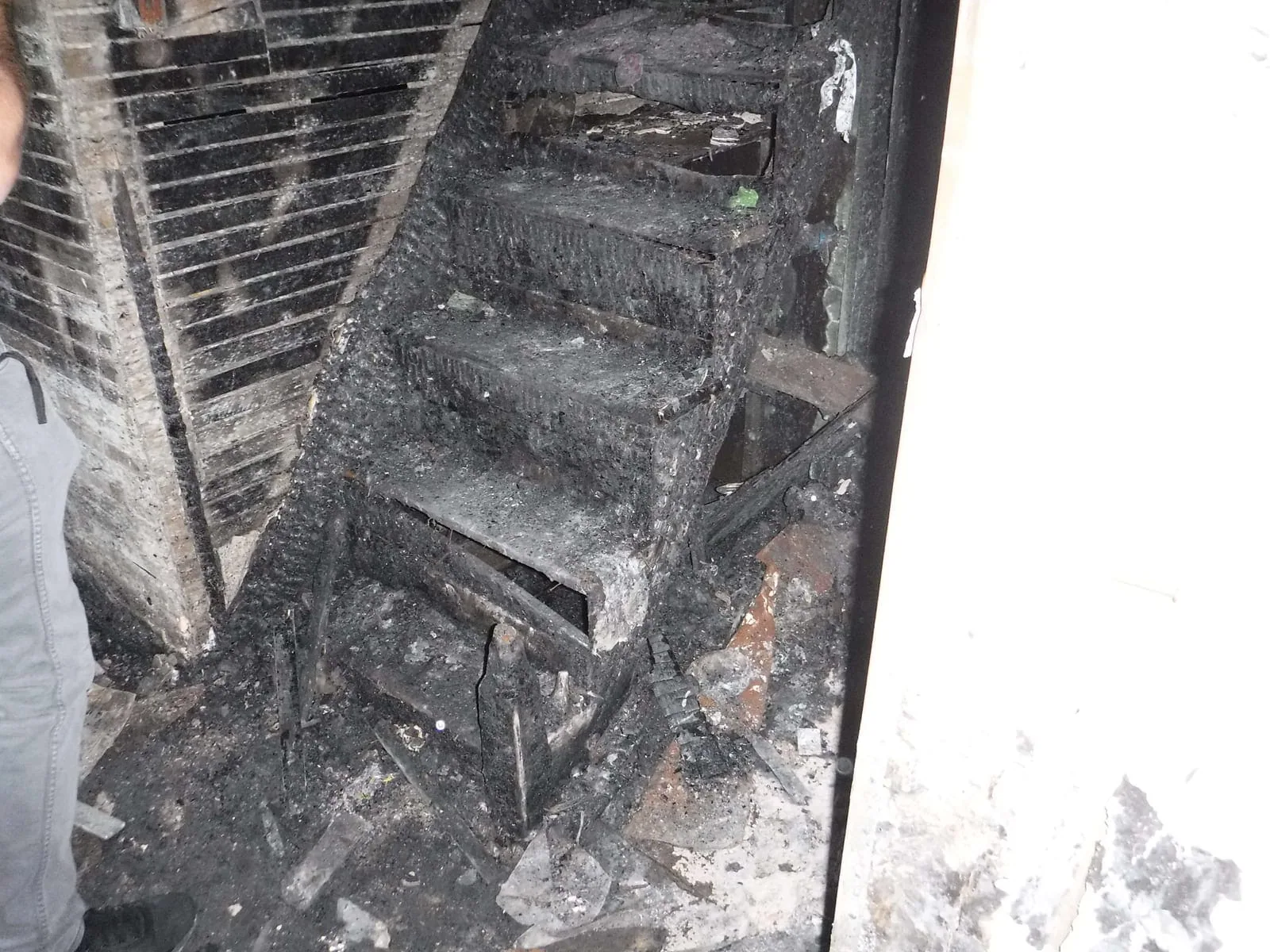
After a house fire, most Fairfield and Westchester homeowners are shocked by how persistent smoke odor is. Even after visible soot is cleaned, the smell can linger for months or years — returning on humid days, when heat is turned on, or whenever the HVAC cycles. Professional fire damage restoration tackles odor at its source, and understanding why DIY fails can save you thousands in wasted effort.
Why Smoke Odor Is So Hard to Remove
Smoke is composed of microscopic particles — many smaller than 1 micron — that penetrate virtually every porous material in your home. These particles bond to:
- Drywall and paint
- Insulation inside walls
- Carpet, carpet pad, and subfloor
- Upholstered furniture deep within the cushioning
- HVAC ductwork and coils
- Wood framing and sheathing
Masking the smell with air fresheners or scented products doesn't remove the particles — it just covers them temporarily.
What DOES NOT Work
- Scented candles and plug-in air fresheners — mask only
- Opening windows for days — helps surface odor, doesn't touch embedded particles
- Febreze-style deodorizers — chemically binds to some particles but doesn't penetrate walls
- Vinegar in bowls — minor effect, not sufficient
- Ozone generators sold retail — potentially dangerous, insufficient for fire-level contamination
What Professional Smoke Odor Removal Actually Involves
- 1Source removal — Cleaning and sealing or removing contaminated materials. This is the foundational step — you can't deodorize a contaminated sponge.
- 2HEPA vacuum and wet-wipe cleaning of all surfaces
- 3Thermal fogging — A heated solvent vapor that penetrates porous materials the same way smoke did, neutralizing odor particles
- 4Ozone treatment — Industrial-grade ozone generators used in unoccupied spaces to oxidize smoke molecules
- 5Hydroxyl generators — Safer than ozone, can be used while occupants remain in the home
- 6HVAC decontamination — Full duct cleaning, coil cleaning, filter replacement, and sometimes sealing
- 7Encapsulation — Sealing primer applied to framing and subflooring where removal isn't possible
- 8Air scrubbing — HEPA + activated carbon for weeks if necessary
Specialized Scenarios
- Kitchen fire cleanup — Grease fires leave protein-residue smoke that requires enzyme-based cleaning
- Chimney puff-back — Oil-fired furnace soot (extremely fine, extremely pervasive)
- Electrical fires — Plastic-combustion smoke with persistent acrid odor
- Wildfire smoke intrusion — Exterior smoke infiltration through HVAC and openings
Insurance Coverage
Homeowners insurance covers professional smoke odor removal after a covered fire. The key is documenting the source (fire department report, photos) and working with a restoration company that writes Xactimate scopes — which is what 911 Storm does by default.
Our smoke and soot damage crews handle fires across every city in our service area — from Stamford to White Plains. Free on-site assessment, direct insurance billing.
Frequently Asked Questions
Can smoke odor really return after restoration?+
Only if source removal was incomplete or HVAC was skipped. Heat and humidity reactivate residual particles. Complete professional restoration eliminates this. Demand post-restoration air quality testing.
How long until I can move back in?+
For kitchen fires with moderate smoke: 5-10 days. For whole-house fires: 2-8 weeks, depending on scope. Air quality testing confirms when it's safe to return.
Does homeowners insurance cover smoke odor removal?+
Yes, as part of fire damage coverage. Document the fire department report, keep all receipts, and work with an Xactimate-certified restoration company.
Can I clean soot myself to save money?+
Not recommended. Soot is abrasive and permanently stains when rubbed — DIY attempts often make damage worse. Wet cleaning spreads soot further. Professional dry-cleaning sponges and chemical sponges are the right tools.
Related Services
Raf Volkov
Raf has personally supervised more than 100 restoration projects across Fairfield County, CT and Westchester County, NY since 2003. He holds IICRC Water Damage Restoration (2016), IICRC Fire & Smoke Restoration (2016), Goldmorr AIM Mycotoxin Remediation, EZ Breathe Installer, and Stego Vapor Barrier / ASTM E1643 certifications — attending manufacturer trainings every year. Every protocol on this site is built on standards he's trained and re-trained in.