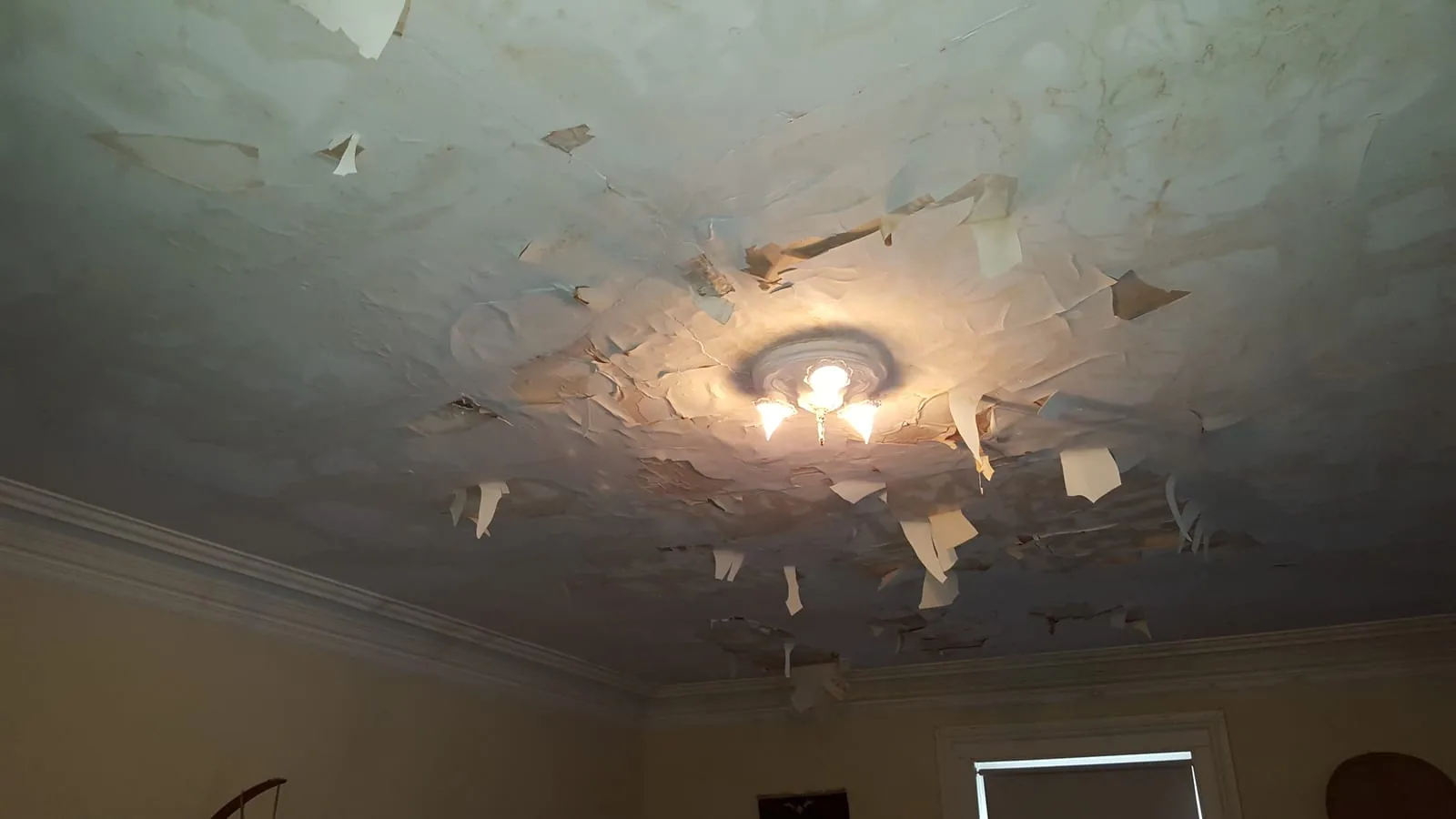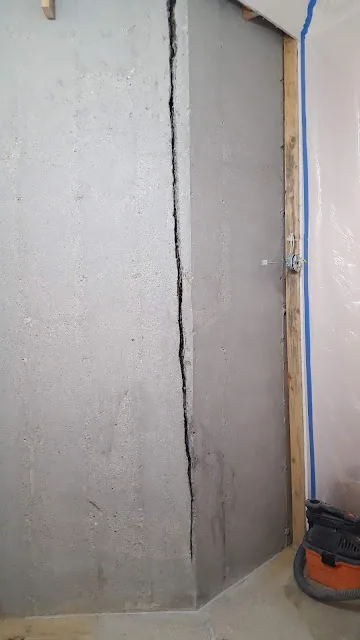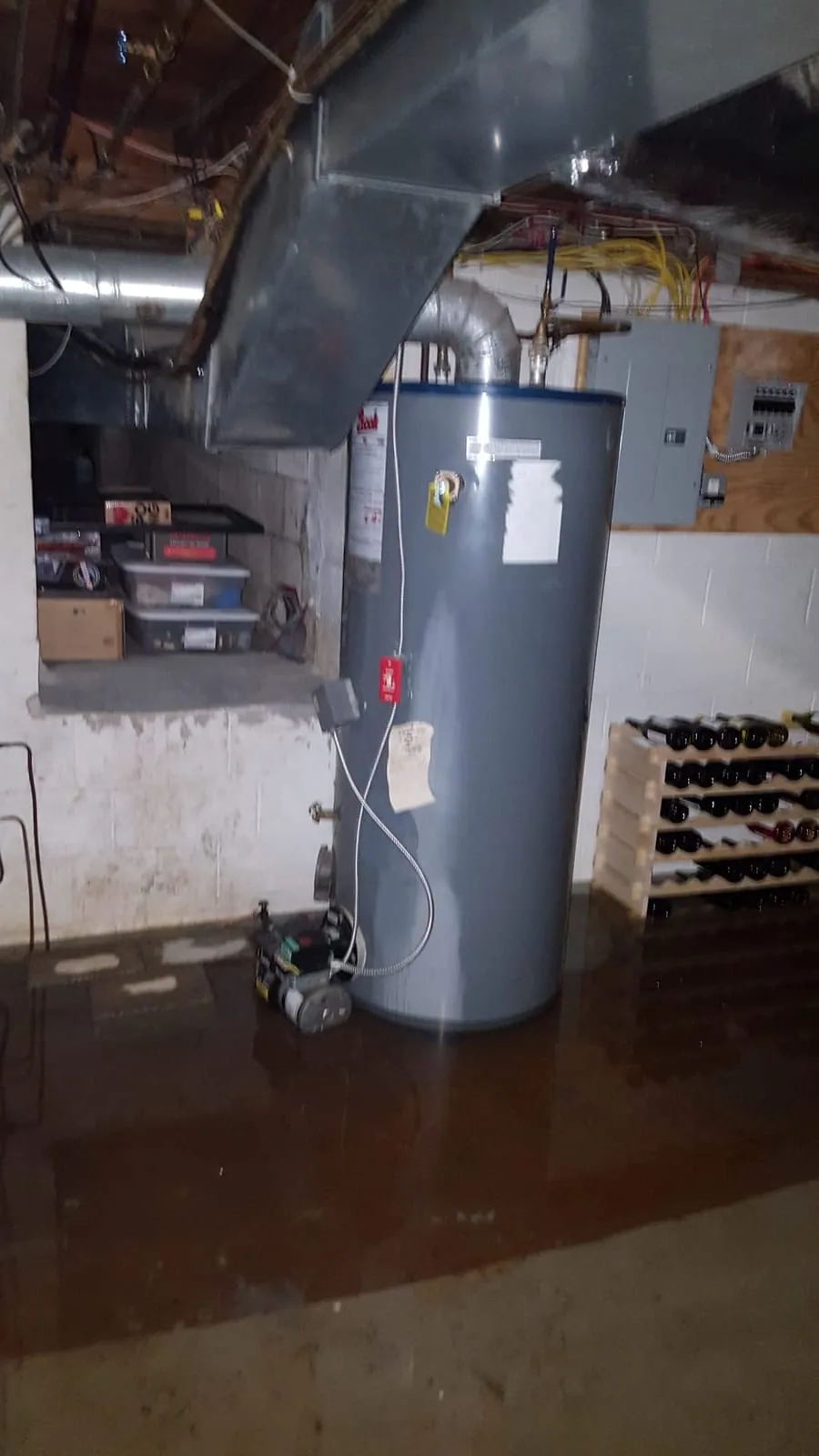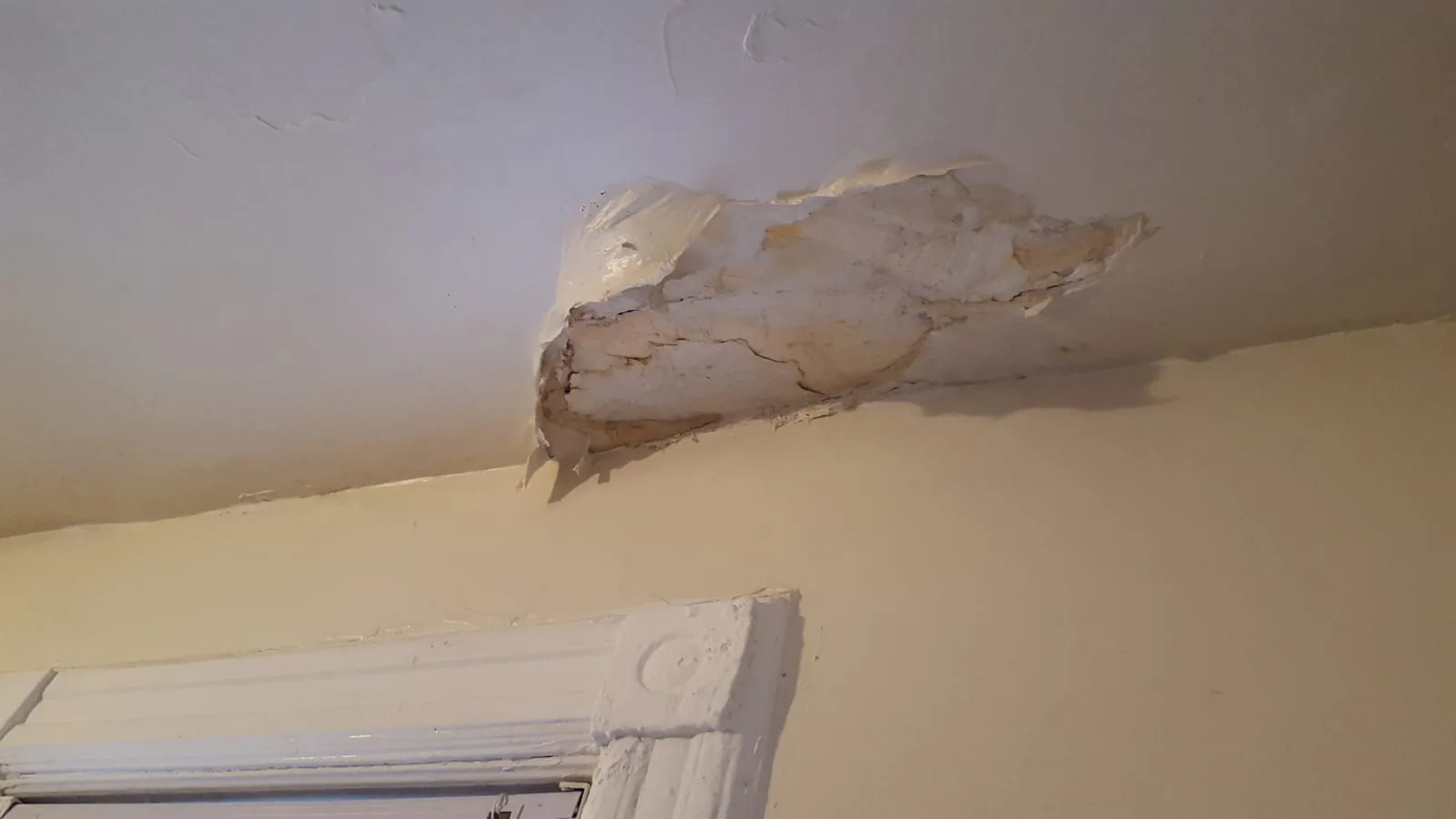

Every winter, our 911 Storm crews respond to dozens of ice-dam water-damage calls across Fairfield County and Westchester County. A homeowner in Scarsdale wakes up to water staining an upstairs bedroom ceiling. A family in Ridgefield finds water running down kitchen walls. Almost always, the cause is an ice dam — and the damage behind the scenes is usually 10x worse than the visible stain.
How Ice Dams Form
- 1Warm attic air melts snow on the upper portion of your roof
- 2Melted water runs down toward the eaves
- 3At the eave, where the roof overhangs unheated exterior air, the water refreezes
- 4Ice builds into a dam that blocks further drainage
- 5Water pools behind the dam, backs up under shingles, and enters the house
Where the Water Goes
- Through roof decking into attic insulation
- Down inside exterior walls into the wall cavity
- Across ceiling drywall producing visible stains
- Into soffits and fascia causing wood rot and paint failure
- Into eaves and exterior trim
Why You Should Take This Seriously
Ice dam water is warm enough to travel, cold enough to condense, and persistent enough to saturate insulation for weeks. Even after the dam melts, wet insulation takes 30+ days to dry naturally — and that's exactly the conditions mold needs. Most ice dam cases we see require both water mitigation AND mold remediation.
Immediate Mitigation (If You See Active Leaking)
- Don't climb on the roof — too dangerous in winter
- Remove snow from the roof edge using a roof rake from the ground
- Put a fan on the ceiling stain to speed drying through the drywall
- Place towels and buckets under active drips
- Call 911 Storm — moisture in your ceiling and walls needs professional attention
What NOT to Do
- Don't chip at the ice with a hammer — you'll damage shingles and gutters
- Don't pour hot water on the ice — creates more ice at the eave
- Don't use road salt directly — damages roofing materials
- Don't ignore the leak — damage compounds every hour
Long-Term Prevention
- 1Attic insulation — R-49 or better in CT/NY zones
- 2Attic air sealing — stop warm air leaking into attic from below (recessed lights, bath fans, chimney chases)
- 3Soffit and ridge venting — maintain attic temperatures close to outdoor ambient
- 4Heated ice-dam cables — a last-resort option for chronic problem areas
- 5Gutter cleaning in late fall — clogged gutters worsen ice buildup
A small visible water stain on a January ceiling means significant wet insulation behind it. Call us the moment you see it — the difference between 3 days of repair and 3 weeks of demolition is usually 24 hours of decision-making. Serving every town in our Fairfield County and Westchester County coverage area.
Frequently Asked Questions
Can ice dams be prevented entirely?+
With adequate attic insulation, air sealing, and ventilation — yes, almost always. Many older CT/NY homes lack one or more of these; upgrades often pay back within a few winters in prevented damage.
Does insurance cover ice dam damage?+
Generally yes — interior damage from ice-dam water intrusion is typically covered under sudden-and-accidental water damage. Roof and gutter damage may or may not be, depending on policy.
How do I know if water is actively coming in?+
Visible ceiling stains, wet walls, and dripping are the obvious signs. More subtle: a sagging ceiling, peeling paint near the roofline, or a musty smell in upstairs rooms.
Are ice dam cables worth installing?+
They're a last-resort solution for chronic problem areas. Better first-line defenses: attic insulation, air sealing, and ventilation. Cables address the symptom; insulation addresses the cause.
Related Services
Raf Volkov
Raf has personally supervised more than 100 restoration projects across Fairfield County, CT and Westchester County, NY since 2003. He holds IICRC Water Damage Restoration (2016), IICRC Fire & Smoke Restoration (2016), Goldmorr AIM Mycotoxin Remediation, EZ Breathe Installer, and Stego Vapor Barrier / ASTM E1643 certifications — attending manufacturer trainings every year. Every protocol on this site is built on standards he's trained and re-trained in.