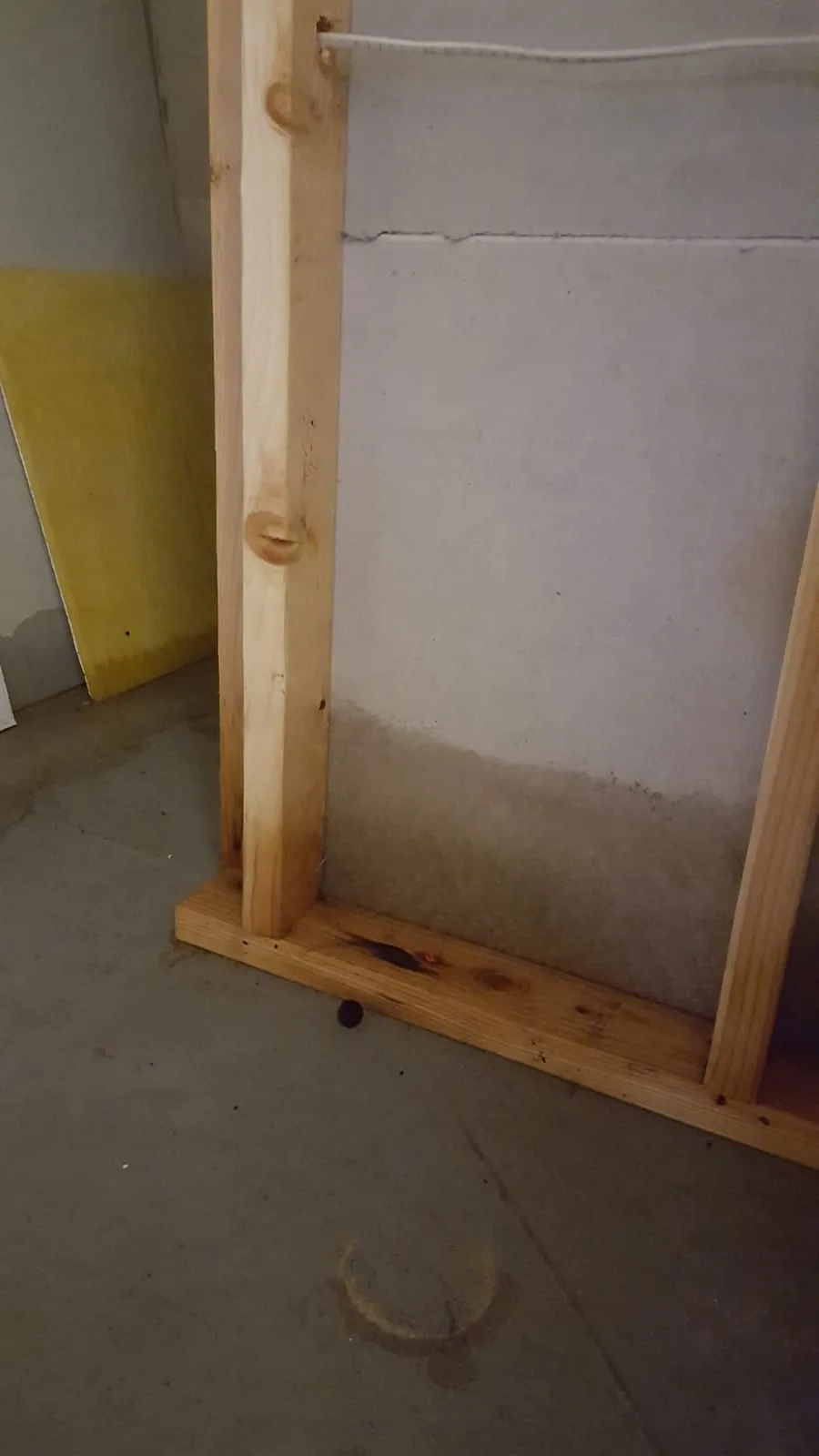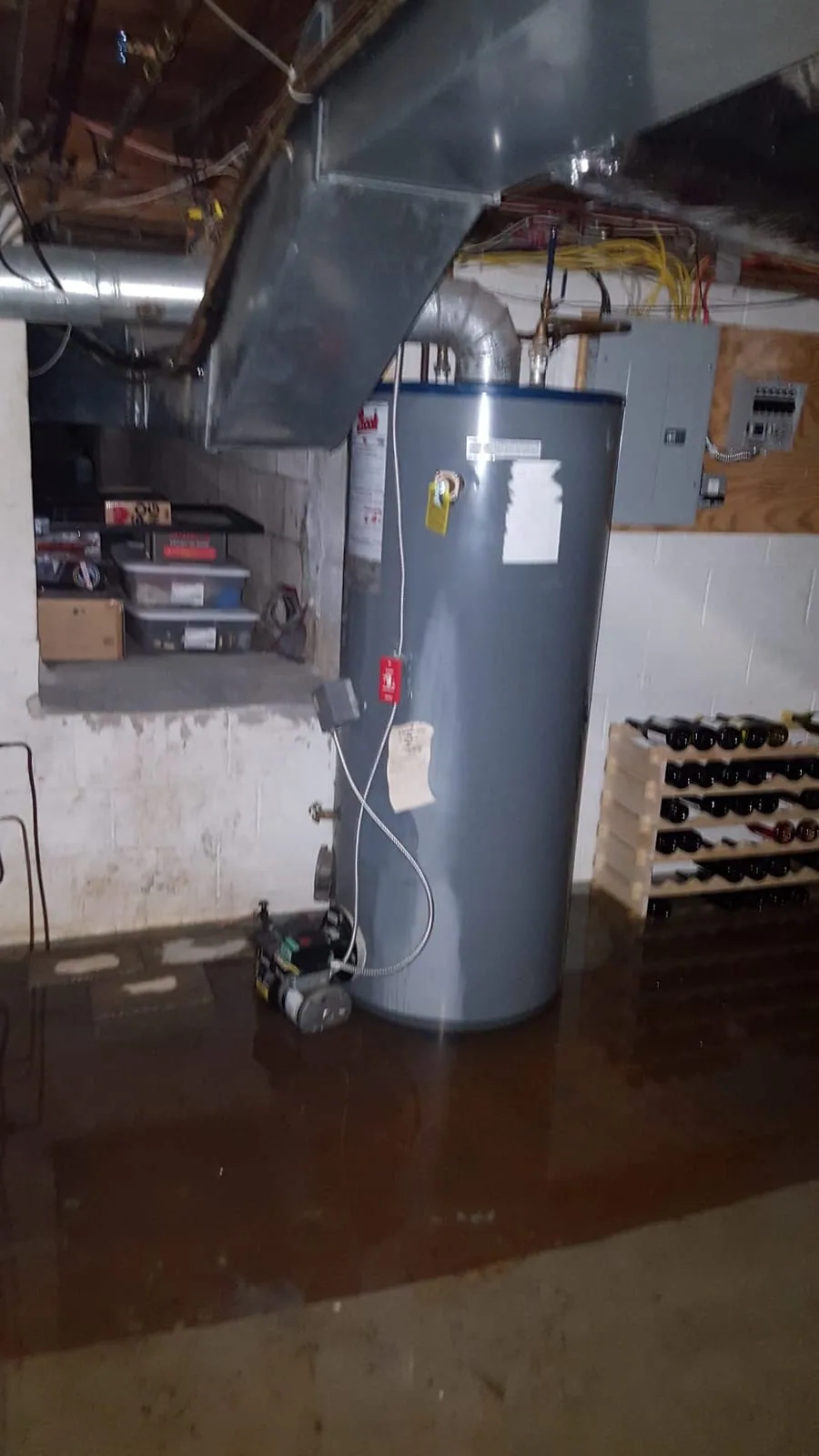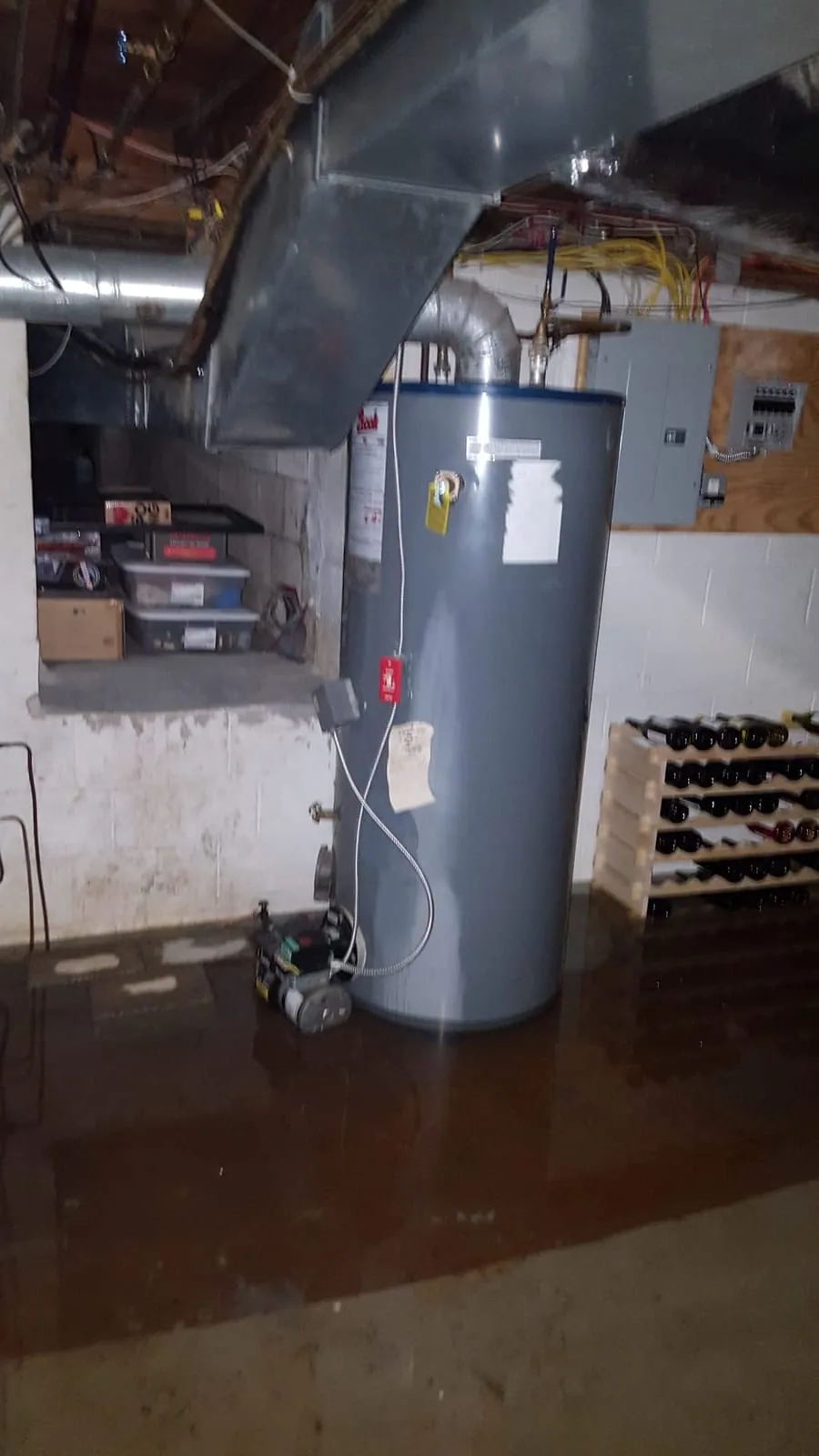

Basement flooding causes billions in property damage every year across the United States. The good news: most of it is preventable with the right preparation. At 911 Storm, we've pumped out flooded basements from Darien to Yonkers — and the ones we respond to almost always share the same root causes.
1. Inspect and Maintain Your Sump Pump
Your sump pump is your first line of defense. Test it regularly by pouring water into the pit. Replace it every 7–10 years. Consider a backup battery-powered pump for power outages during storms. Sump pump failure is the single biggest cause of basement flooding we see.
2. Check Your Grading
The ground around your foundation should slope away from your house — at least 6 inches drop over the first 10 feet. If it slopes toward the house, water will pool against the foundation and eventually find its way inside through hydrostatic pressure.
3. Clean Your Gutters and Downspouts
Clogged gutters overflow and deposit water directly against your foundation. Clean them at least twice a year. Extend downspouts at least 6 feet from the foundation.
4. Seal Foundation Cracks
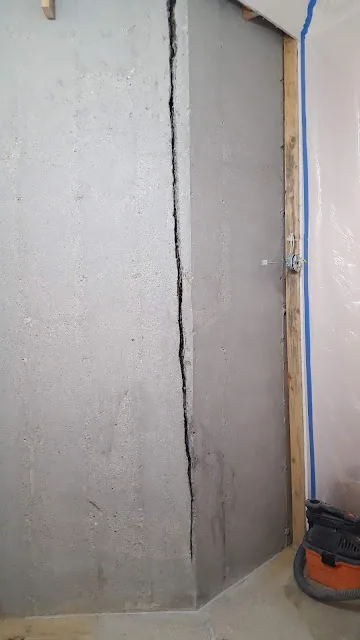
Small cracks in your foundation walls or floor can allow water intrusion under hydrostatic pressure. Have them inspected and sealed by a professional — hairline cracks can be patched with hydraulic cement, but anything wider than 1/8″ should be evaluated by a foundation specialist.
5. Install a Backwater Valve
A backwater valve prevents sewage from backing up into your basement during heavy rain events that overwhelm the municipal sewer system. A sewage backup is a Category 3 black-water event and requires full biohazard remediation — orders of magnitude more expensive than a backwater valve installation.
6. Consider Interior Waterproofing
For chronically wet basements, interior drain tile systems and vapor barriers provide long-term protection even when exterior solutions aren't practical. This is common in older homes where exterior excavation is cost-prohibitive.
If your basement does flood despite precautions, fast action is critical. Call 911 Storm immediately — the first 24 hours determine whether you'll face mold remediation in addition to water damage. We respond in 60 minutes across all of Fairfield and Westchester.
Frequently Asked Questions
How often should I test my sump pump?+
Monthly — pour 5 gallons into the pit and confirm the float lifts and pump cycles. Do a deeper inspection annually.
Does basement waterproofing increase home value?+
Yes, modestly — studies show interior and exterior waterproofing returns 60–80% of investment at sale, and more importantly, a documented dry basement eliminates a major buyer deal-breaker.
What's the difference between a backwater valve and a check valve?+
A check valve prevents water from flowing back up your sump discharge line. A backwater valve is installed on your main sewer line to prevent sewage from backing up into your home when the municipal line surcharges during storms.
Why did my finished basement flood if my sump pump works?+
Common causes: a cracked foundation wall you can't see, groundwater rising above the pit's capacity, or lateral water moving above the pit. We use moisture mapping to identify the specific entry point.
Related Services
Raf Volkov
Raf has personally supervised more than 100 restoration projects across Fairfield County, CT and Westchester County, NY since 2003. He holds IICRC Water Damage Restoration (2016), IICRC Fire & Smoke Restoration (2016), Goldmorr AIM Mycotoxin Remediation, EZ Breathe Installer, and Stego Vapor Barrier / ASTM E1643 certifications — attending manufacturer trainings every year. Every protocol on this site is built on standards he's trained and re-trained in.