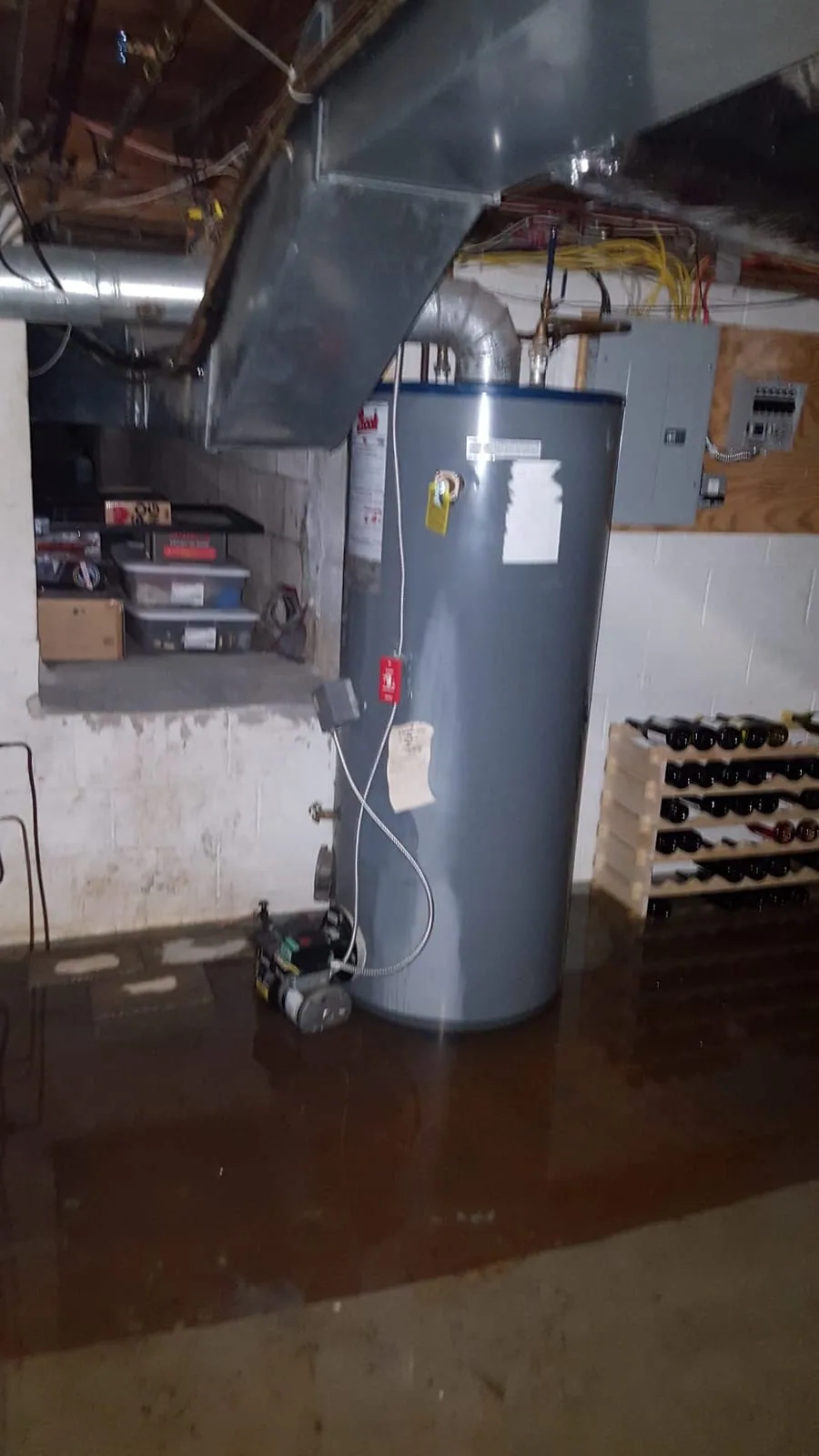
The most common question after a flooded basement is simple: are we going to get mold? The honest answer depends on how long materials stayed wet, what kind of water entered, how humid the basement is, and whether the hidden cavities were verified dry. Our mold remediation team sees this across Connecticut and New York, especially in damp lower levels from Stamford to Scarsdale.
Why 24-48 Hours Matters
Mold spores are already present in normal indoor air. They become a problem when materials stay wet long enough to support growth. Drywall paper, carpet pad, wood framing, dust, insulation, and stored cardboard are all food sources.
The 24-48 hour window is not magic, but it is the practical threshold restoration teams use. If extraction, dehumidification, and material removal start quickly, mold risk can often be controlled. If the basement sits wet through a weekend, the job changes.
Water Category Changes the Mold Plan
Clean water from a supply line is handled differently than sump overflow, drain backup, or outside floodwater. Category 2 and Category 3 water introduce bacteria, soil, sewage, and organic load that feed microbial growth.
That is why a sewage cleanup in Mamaroneck or Scarsdale may require removal of porous materials that a clean-water loss in Greenwich could potentially dry.
Where Mold Hides After a Basement Flood
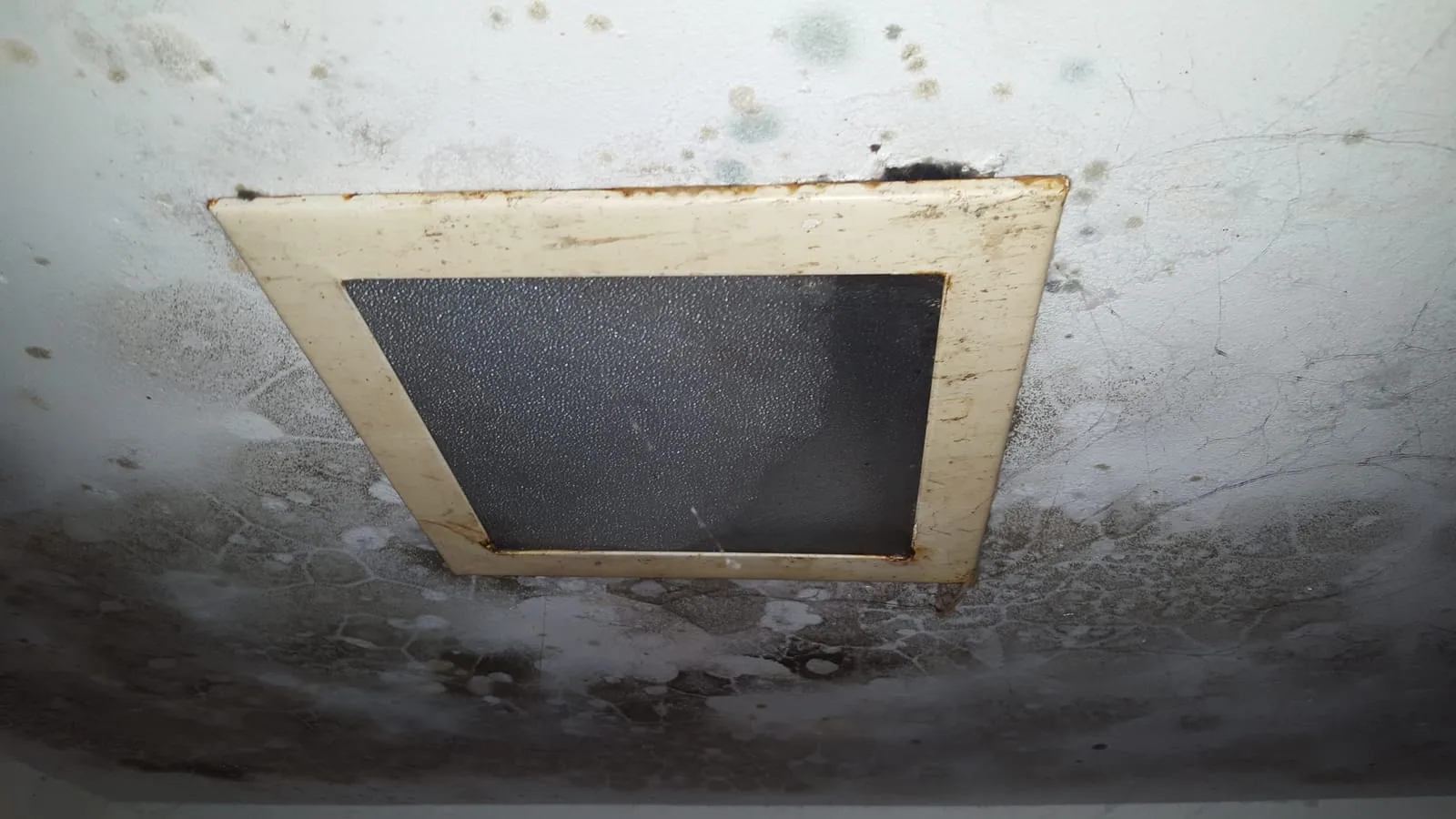
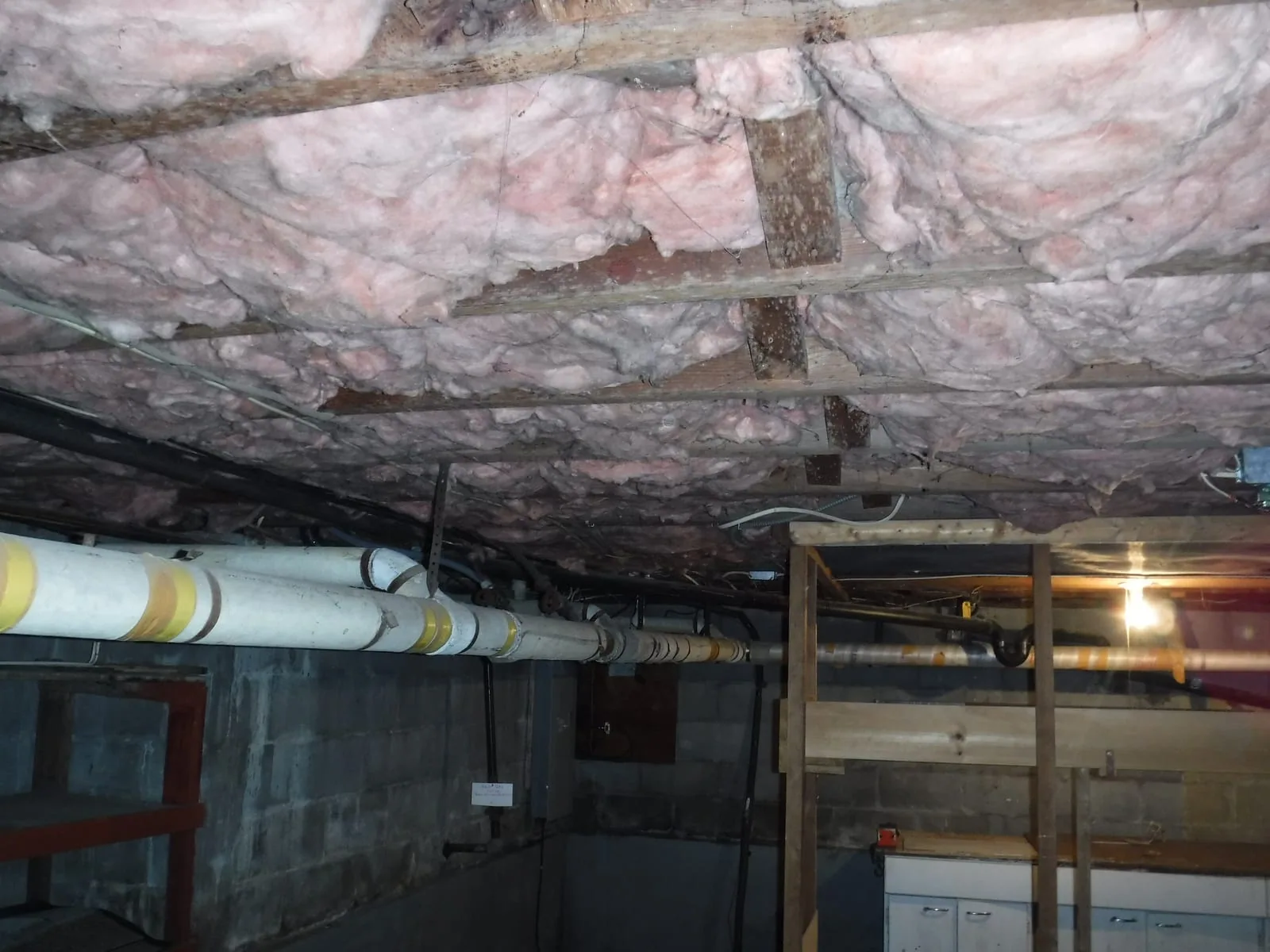
The first visible mold is rarely the whole problem. After basement flooding, we check:
- Behind baseboards and lower drywall
- Under engineered flooring and vapor barriers
- Inside carpet pad and tack strips
- Behind basement cabinets and wet bars
- Around sump pits and utility penetrations
- On stored contents, cardboard, and upholstered furniture
- Inside HVAC returns or nearby ductwork
If a musty odor remains after drying, air quality testing or surface sampling can confirm whether spores are still elevated.
Mold Prevention During Water Mitigation
The best mold remediation is the one you never need. During water mitigation we use extraction, controlled demolition, dehumidification, air movement, antimicrobial treatment where appropriate, and daily moisture readings. Our moisture meter guide explains why a wall that feels dry can still be wet inside.
For coastal or river communities like Old Greenwich, Westport, Rye, and Larchmont, humidity makes verification even more important.
When You Need Full Mold Remediation
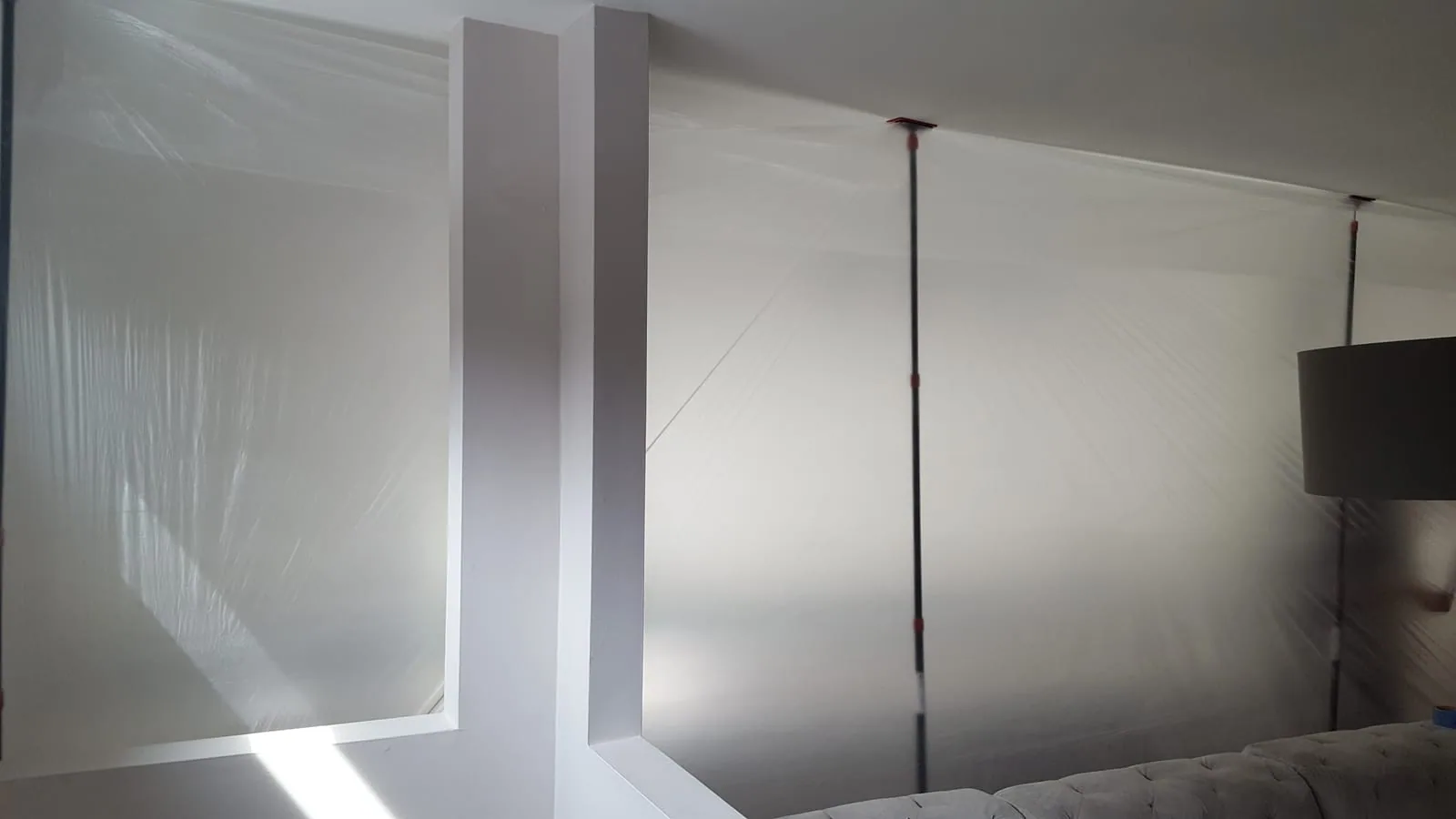
Full remediation is likely when visible mold is present, when materials stayed wet for several days, when the water was contaminated, when occupants have symptoms, or when air tests show elevated indoor spore counts. Proper remediation includes containment, negative air, HEPA filtration, safe material removal, cleaning, and clearance verification.
If you are comparing visible mold to harmless mildew, start with our mold vs mildew guide and call before disturbing the affected materials.
After basement flooding, do not wait for visible mold to make the decision. The decision point is wet time. Start drying immediately, verify hidden materials, and test if odor or symptoms remain. That is how a water loss stays a water loss instead of becoming a larger mold remediation.
Frequently Asked Questions
Does every flooded basement get mold?+
No. Fast extraction, dehumidification, and verified drying can prevent mold on many clean-water losses. Delays, contaminated water, and hidden wet cavities raise the risk.
Should I spray bleach after a basement flood?+
No. Bleach does not solve wet building materials and can create false confidence. Source removal, drying, and proper antimicrobial treatment are more important.
When should I test air quality after flooding?+
Test if musty odor remains, residents have symptoms, visible mold appears, or the basement stayed wet beyond 24-48 hours.
Can water damage and mold remediation happen on the same job?+
Yes. They often should. Mold prevention and containment decisions are strongest when made during the water mitigation phase.
Related Services
Raf Volkov
Raf has personally supervised more than 100 restoration projects across Fairfield County, CT and Westchester County, NY since 2003. He holds IICRC Water Damage Restoration (2016), IICRC Fire & Smoke Restoration (2016), Goldmorr AIM Mycotoxin Remediation, EZ Breathe Installer, and Stego Vapor Barrier / ASTM E1643 certifications — attending manufacturer trainings every year. Every protocol on this site is built on standards he's trained and re-trained in.