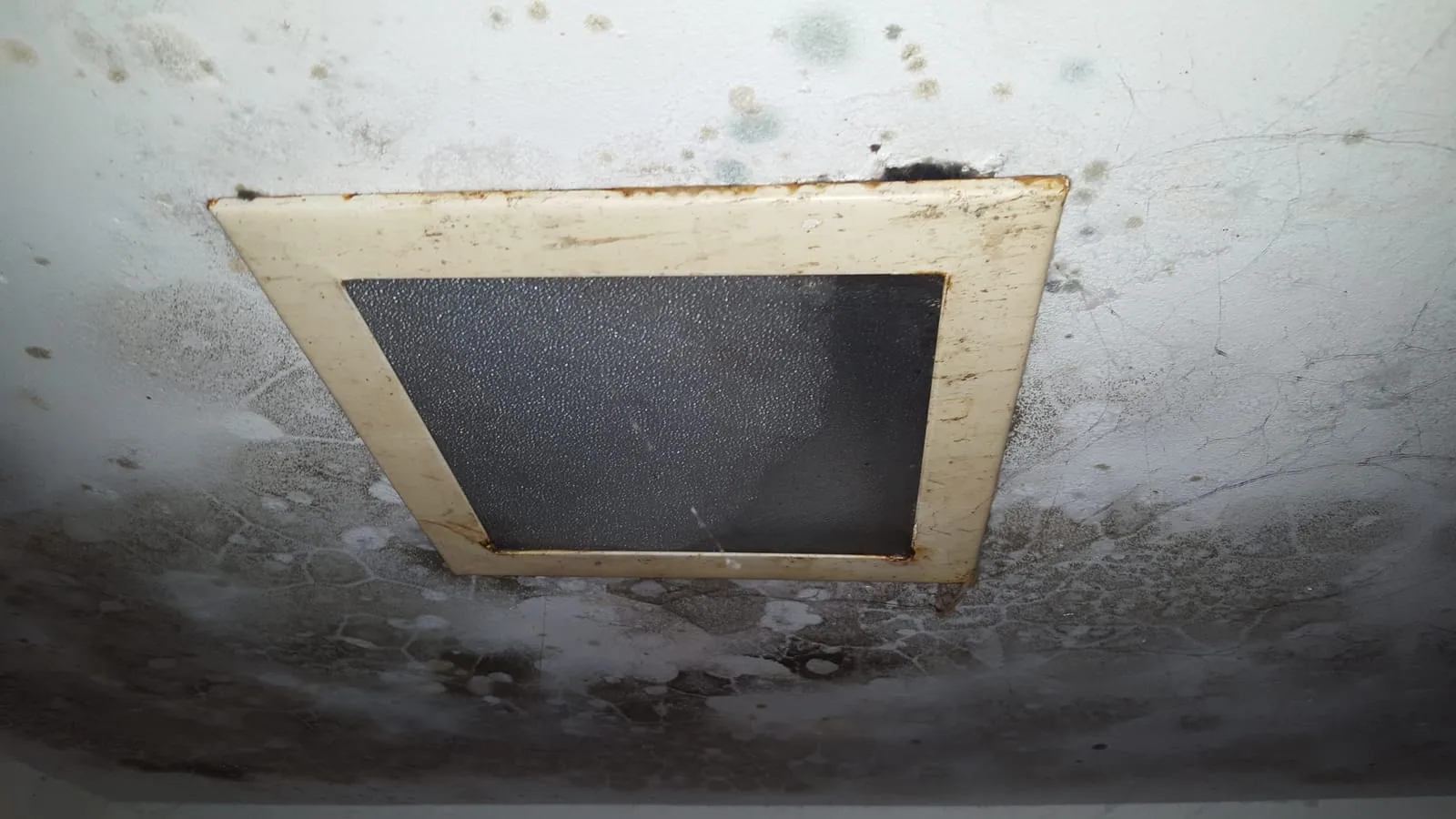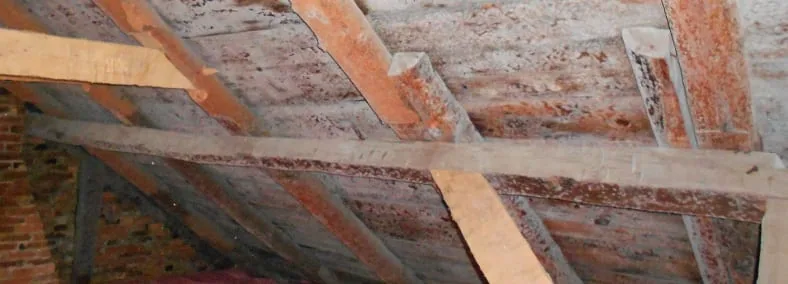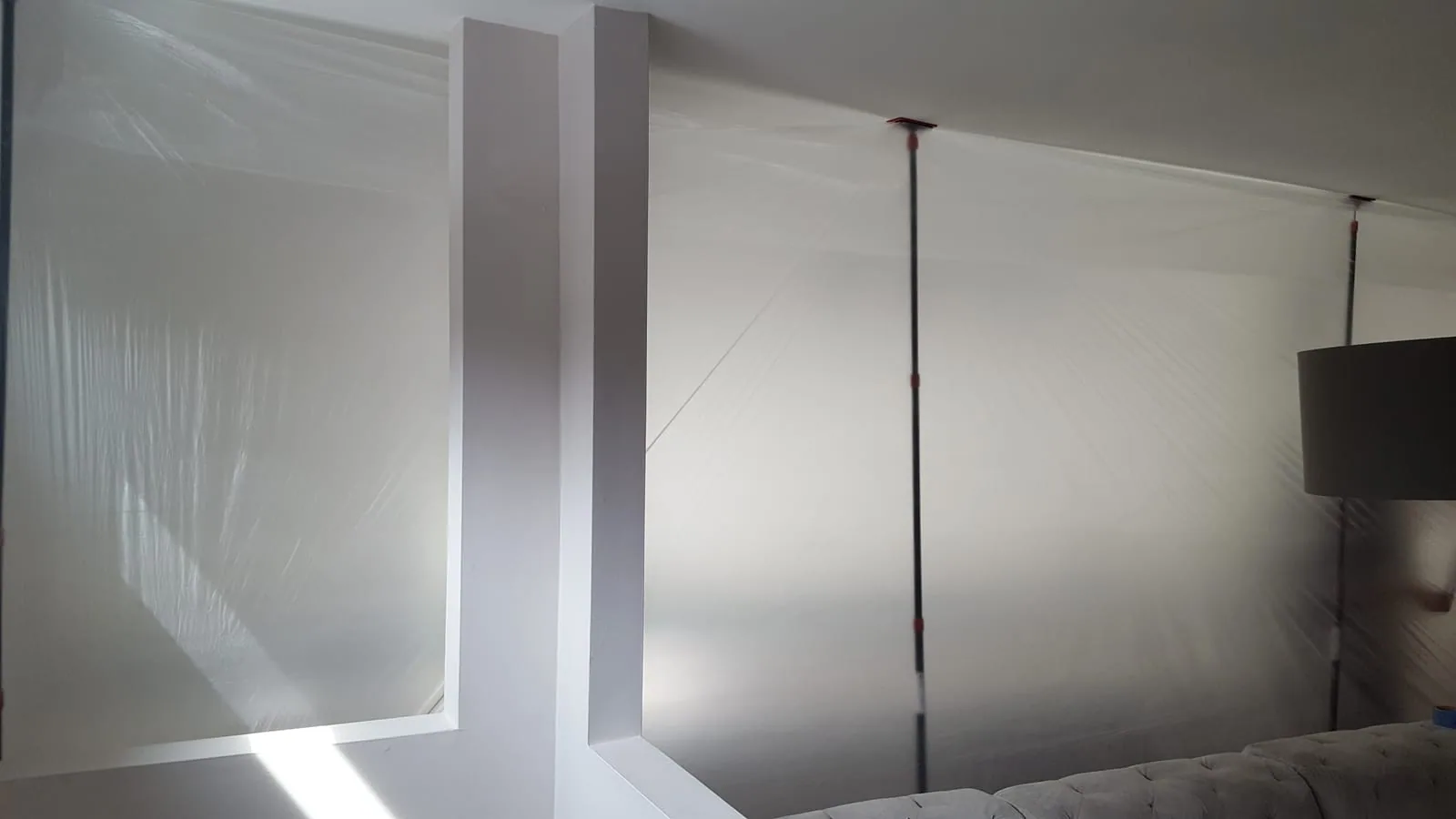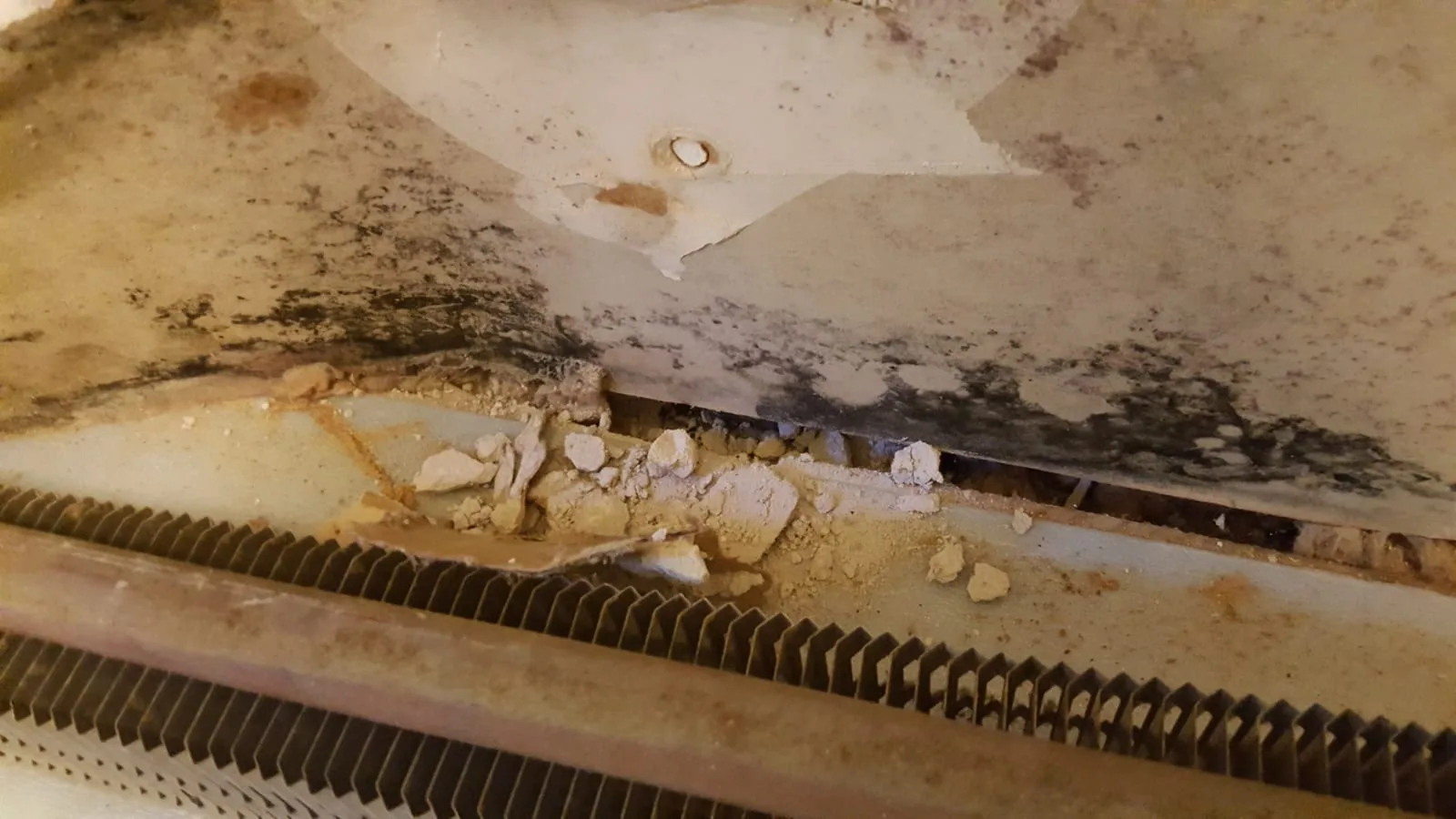
Mold in a rental is one of the most contentious disputes we mediate between tenants and landlords. Both parties often believe they're right, and both often have partial claims. Here's how the law actually works in Connecticut and New York — and how professional mold remediation fits in.
Connecticut Tenant Rights on Mold
CT enforces an Implied Warranty of Habitability: landlords must provide housing fit for habitation. Mold that causes health symptoms or indicates structural failure generally violates this warranty. CT tenants can:
- Request remediation in writing (always in writing)
- Allow reasonable time to respond (typically 15-30 days for non-emergency)
- Escalate to local building/health department
- In severe cases, constructive eviction or rent withholding (with attorney guidance)
No state-specific mold remediation standard, but IICRC S520 is the professional benchmark.
New York Tenant Rights on Mold
NY (especially NYC) has stricter rules:
- NYC Local Law 55 (2018) requires landlords of buildings with 3+ units to inspect for indoor allergen hazards including mold and remediate within required timeframes
- Written mold disclosure required at lease for any known past mold
- Landlord must respond to tenant mold complaints within 10 days in most cases
- Tenants can file complaints with NYC Department of Housing Preservation and Development (HPD)
Westchester follows state and local codes but without NYC's specific Local Law 55 framework.
Who Pays for What
Landlord responsibility:
- Roof leaks
- Plumbing failures (hidden and visible)
- HVAC condensation leaks
- Basement/foundation water intrusion
- Inadequate ventilation in bathrooms/kitchens
- Structural window leaks
Tenant responsibility:
- Chronic bathroom mold from not running fans
- Kitchen mold from unventilated cooking
- Overwatering plants
- Unreported spills
- Keeping windows closed in humid weather when bathroom fan is broken
Shared in practice — document which applies.
How to Document Mold in a Rental
- 1Photograph extensively (date-stamped, multiple angles)
- 2Video walk-through with narration
- 3Consider professional air quality testing and mold testing — lab results are definitive
- 4Document your correspondence with landlord (email, text, certified mail)
- 5Keep a symptoms log if health is affected
- 6Save maintenance request records
When to Escalate
If the landlord doesn't respond or refuses:
- CT: Local health department or housing code enforcement
- NY: HPD (NYC) or local code enforcement
- Both states: Small claims court for damages
- Health-related cases: Department of Public Health complaint
- Severe cases: Tenant's rights attorney (many offer free consults)
Practical Advice for Both Parties
For tenants: Report mold in writing immediately. Don't DIY-clean large areas yourself. Don't ignore health symptoms. Don't withhold rent without legal counsel.
For landlords: Respond quickly and in writing. Hire IICRC-certified remediators (not handymen). Get post-remediation clearance testing — it protects you from future claims. Address the root cause, not just the visible mold.
911 Storm performs mold remediation in both rental and owner-occupied properties across Fairfield and Westchester. We work with landlords, tenants, property managers, and adjusters — writing scopes that satisfy everyone's documentation needs. Call us for a free rental-property assessment.
Frequently Asked Questions
Can I withhold rent if there's mold?+
Not without legal counsel. Improperly withheld rent can become grounds for eviction. CT and NY have specific procedures — many require escrow accounts and court filings.
Does renter's insurance cover mold cleanup?+
Generally no — renter's insurance covers your belongings, not the structure. Mold remediation is landlord responsibility when the cause is structural.
What if my landlord says it's just mildew?+
Request a professional air quality test. If spore counts are elevated or Stachybotrys is present, it's not mildew and requires remediation. Lab results trump landlord opinion.
Can I break my lease due to mold?+
Potentially yes, under constructive eviction doctrine if mold makes the unit uninhabitable and the landlord fails to remediate. Requires documentation and typically legal counsel.
Related Services
Raf Volkov
Raf has personally supervised more than 100 restoration projects across Fairfield County, CT and Westchester County, NY since 2003. He holds IICRC Water Damage Restoration (2016), IICRC Fire & Smoke Restoration (2016), Goldmorr AIM Mycotoxin Remediation, EZ Breathe Installer, and Stego Vapor Barrier / ASTM E1643 certifications — attending manufacturer trainings every year. Every protocol on this site is built on standards he's trained and re-trained in.