
For Homeowners
IICRC Standards Explained in Plain English
Every legitimate water, mold, or fire restoration contractor will tell you they're "IICRC certified." But what does that actually mean for your scope, your timeline, and your insurance claim? These guides translate the published IICRC standards — the documents your insurance adjuster also reads — for homeowners.
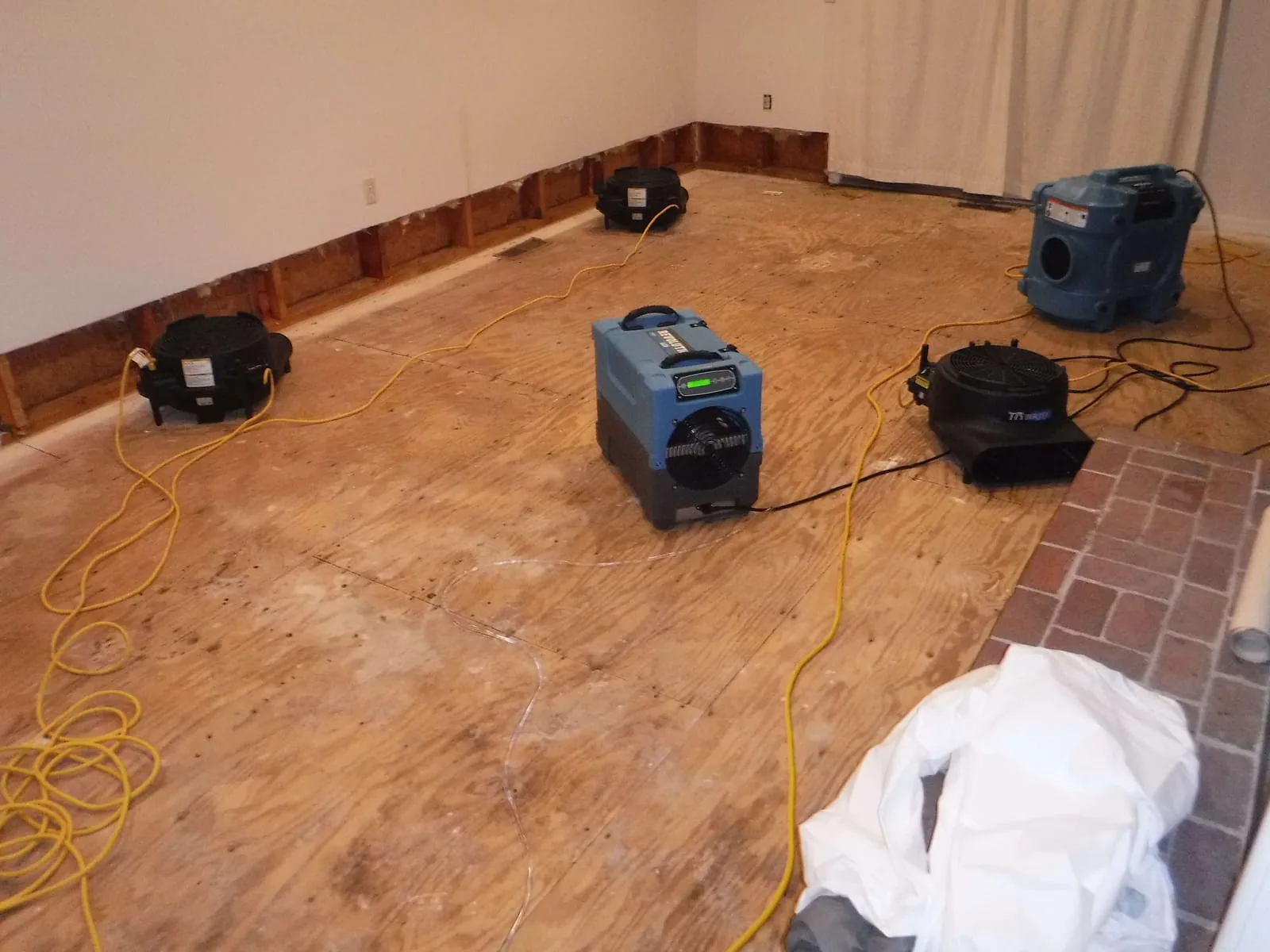
IICRC S500 — Standard for Professional Water Damage Restoration
The industry standard for professional water damage restoration. Covers extraction, drying, dehumidification, and verification.
Read the homeowner guideIICRC S520 — Standard for Professional Mold Remediation
The industry standard for professional mold remediation. Covers containment, removal, antimicrobial treatment, and clearance.
Read the homeowner guideIICRC S700 — Standard for Professional Fire and Smoke Damage Restoration
The industry standard for professional fire and smoke damage restoration. Covers structure cleaning, contents pack-out, deodorization, and HVAC decontamination.
Read the homeowner guideWhy we publish these guides
The restoration industry has a transparency problem. Contractors throw around "IICRC certified" without explaining what it commits them to. Insurance adjusters reference standards homeowners have never read. Disputes happen because the homeowner never had a way to verify the scope. We publish these plain-English guides so any homeowner can understand what their contractor should be doing — and ask the right questions to verify it.
— Raf Volkov, IICRC-certified founder of 911 Storm
Have a loss and want to talk through the right IICRC-compliant approach?
(203) 604-2474Damage Doesn't Wait — Neither Do We
60-minute response. Free estimate. We handle your insurance claim.
IICRC Certified • Licensed & Insured • All Major Insurance Carriers