
Our storm damage crews respond to hundreds of post-storm calls each season. The homeowners who recover fastest — and get the best insurance outcomes — all follow the same inspection-first approach. Use this checklist as-is after any major storm event.
Before You Start — Safety First
- Do NOT enter a home with visible structural damage
- Do NOT approach downed power lines (assume all are live)
- Check for gas smell — if present, leave and call utility
- Turn off electricity at the main panel if water is inside
- Wear closed shoes, gloves, eye protection
Exterior Inspection Checklist
Roof:
- Missing or lifted shingles (check from ground with binoculars)
- Damaged flashing around chimneys, vents, skylights
- Debris on roof (can lift shingles in next storm)
- Gutters: detached, clogged, or torn
Siding:
- Missing or cracked panels
- Hail impact marks
- Separation at corners
Windows:
- Cracks, holes, water intrusion through frames
- Screen damage (indicates wind force)
Trees:
- Leaning or partially-downed trees (very dangerous)
- Broken limbs in canopy (can fall later)
- Tree impact on structure
Exterior features:
- Fence damage
- Outdoor HVAC condenser damage
- Gutter and downspout integrity
Interior Inspection Checklist
Ceilings and walls:
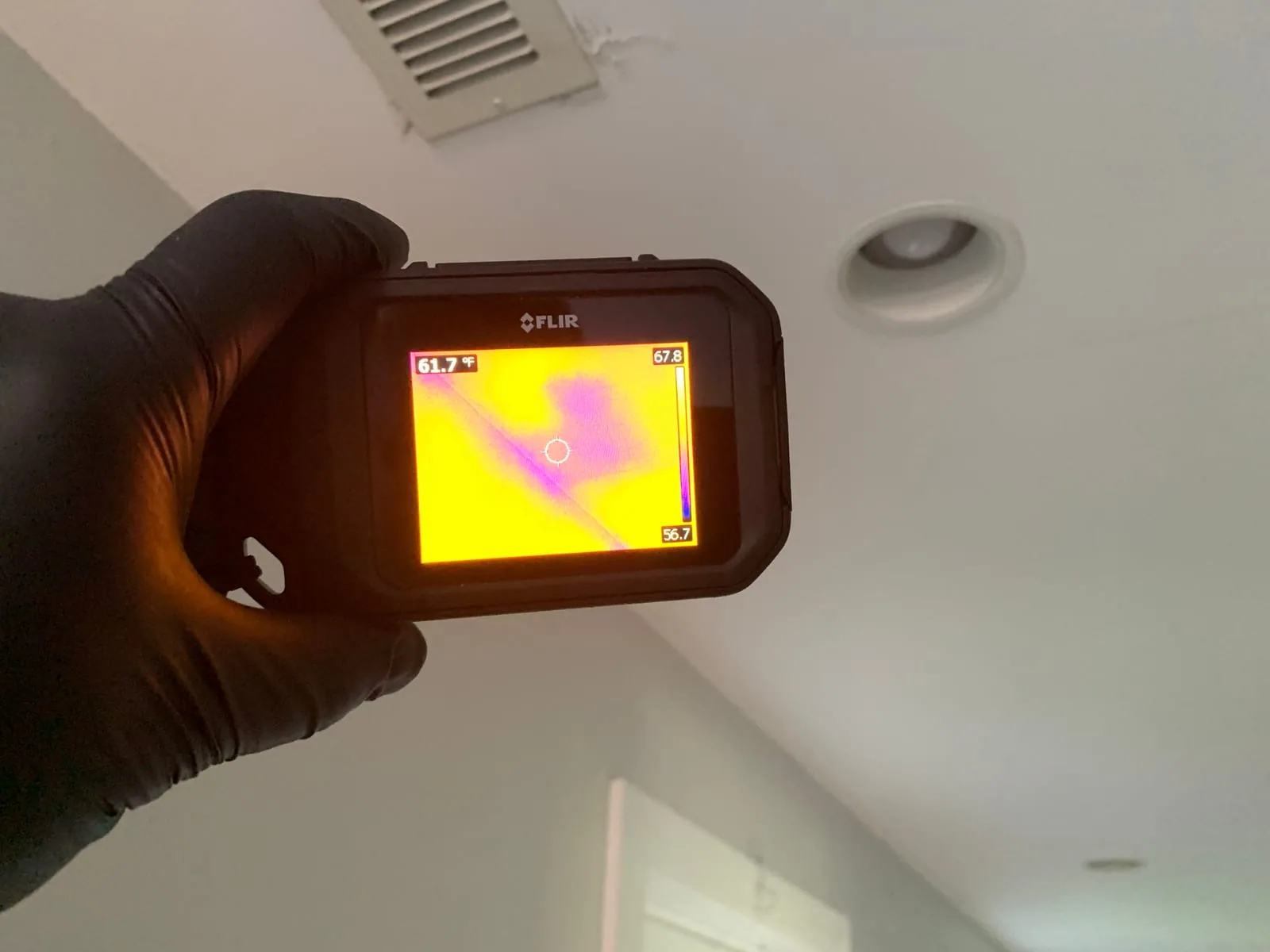
- Water stains (yellow/brown)
- Peeling paint, bubbled drywall
- Sagging areas
Floors:
- Warped or buckled hardwood
- Wet carpet
- Soft spots
Attic:
- Daylight through roof (indicates penetration)
- Wet insulation
- Mold on rafters
- Water stains on rafters/sheathing
Basement:
- Standing water
- Moisture on walls
- Sump pump status (running or failed)
- Flooded basement = immediate emergency call
Electrical and Plumbing
- Main breaker panel: water intrusion, rust, unusual tripping
- GFCI outlets: reset; if they won't stay on, there's a ground fault
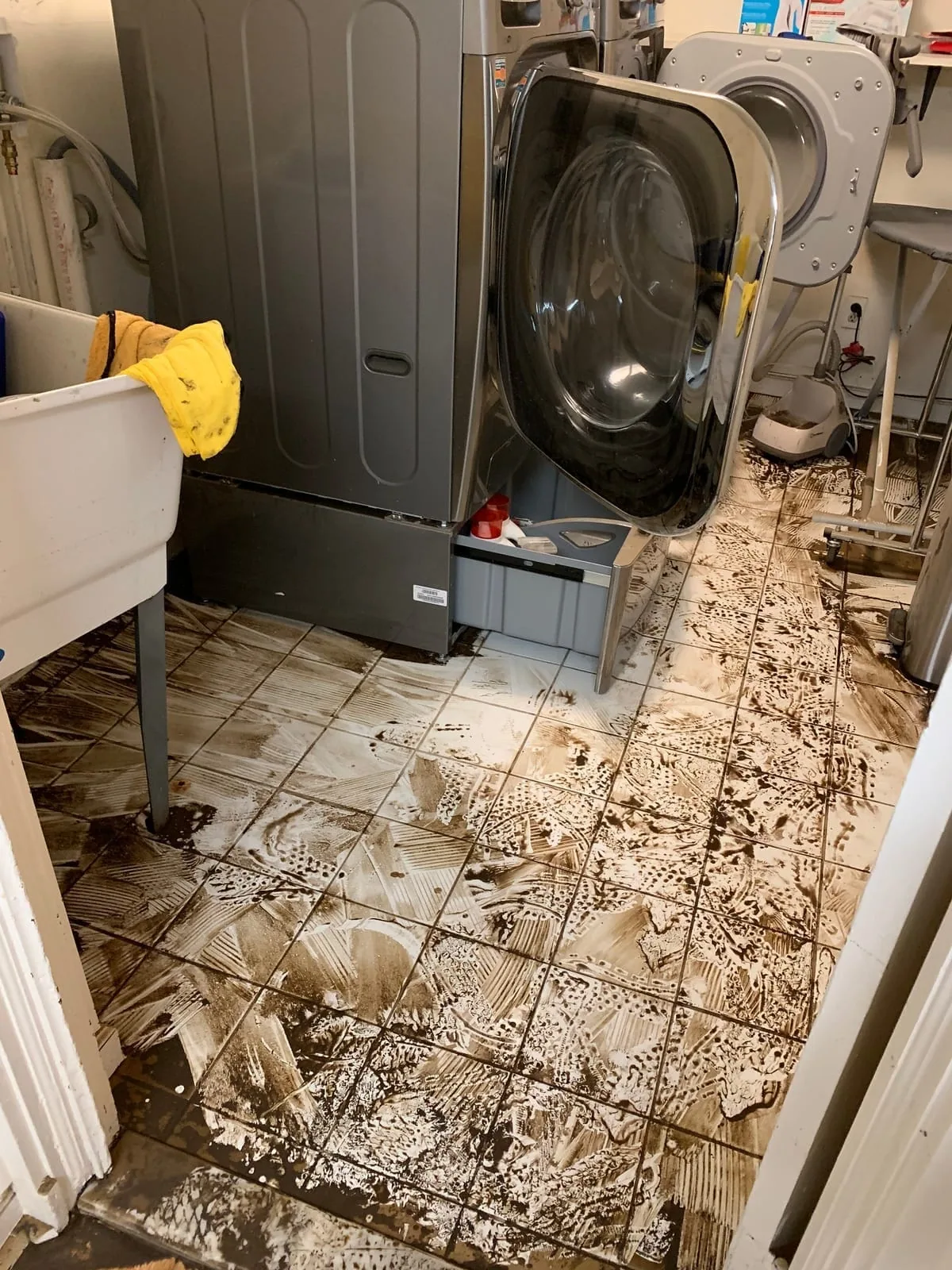
- Appliances in flooded areas: don't power on until professionally assessed
- Well pump (if applicable): test flow, check for air in lines
- Water heater: check for water around base
- Sump pump: test cycle by pouring water into pit
Document Before Cleaning
Photograph every affected area before touching anything:
- Wide shots showing room context
- Close-ups of specific damage
- Exterior from multiple angles
- Interior from all rooms
- Serial numbers on damaged appliances
- Water lines on walls (shows flood depth)
- Roof damage (ground shots with zoom)
This documentation shapes your entire insurance claim.
Prevent Further Damage
Required by most homeowners policies:
- Tarp roof holes (don't climb if unsafe — call pros)
- Board up broken windows
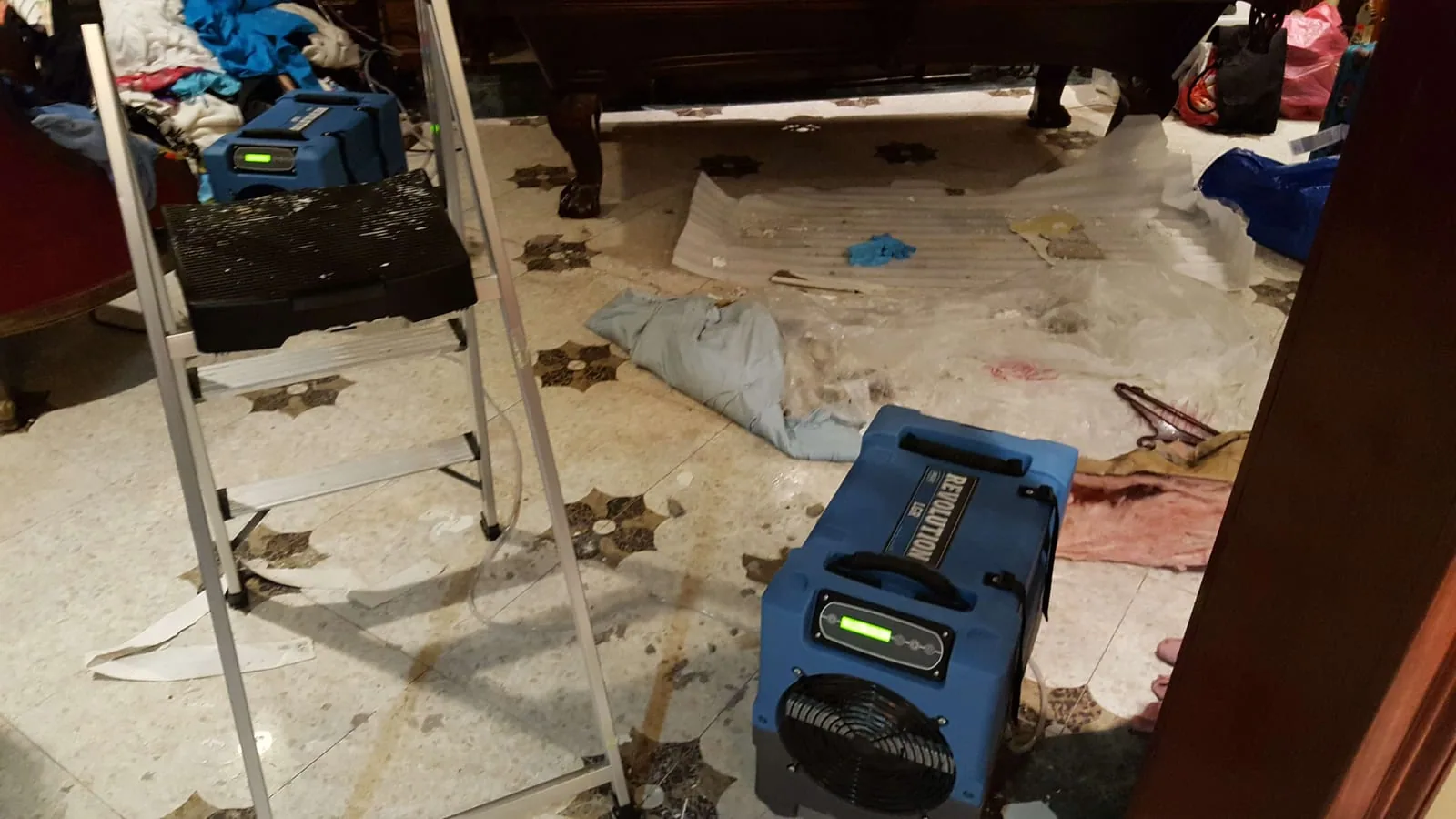
- Extract standing water
- Move undamaged contents to dry areas
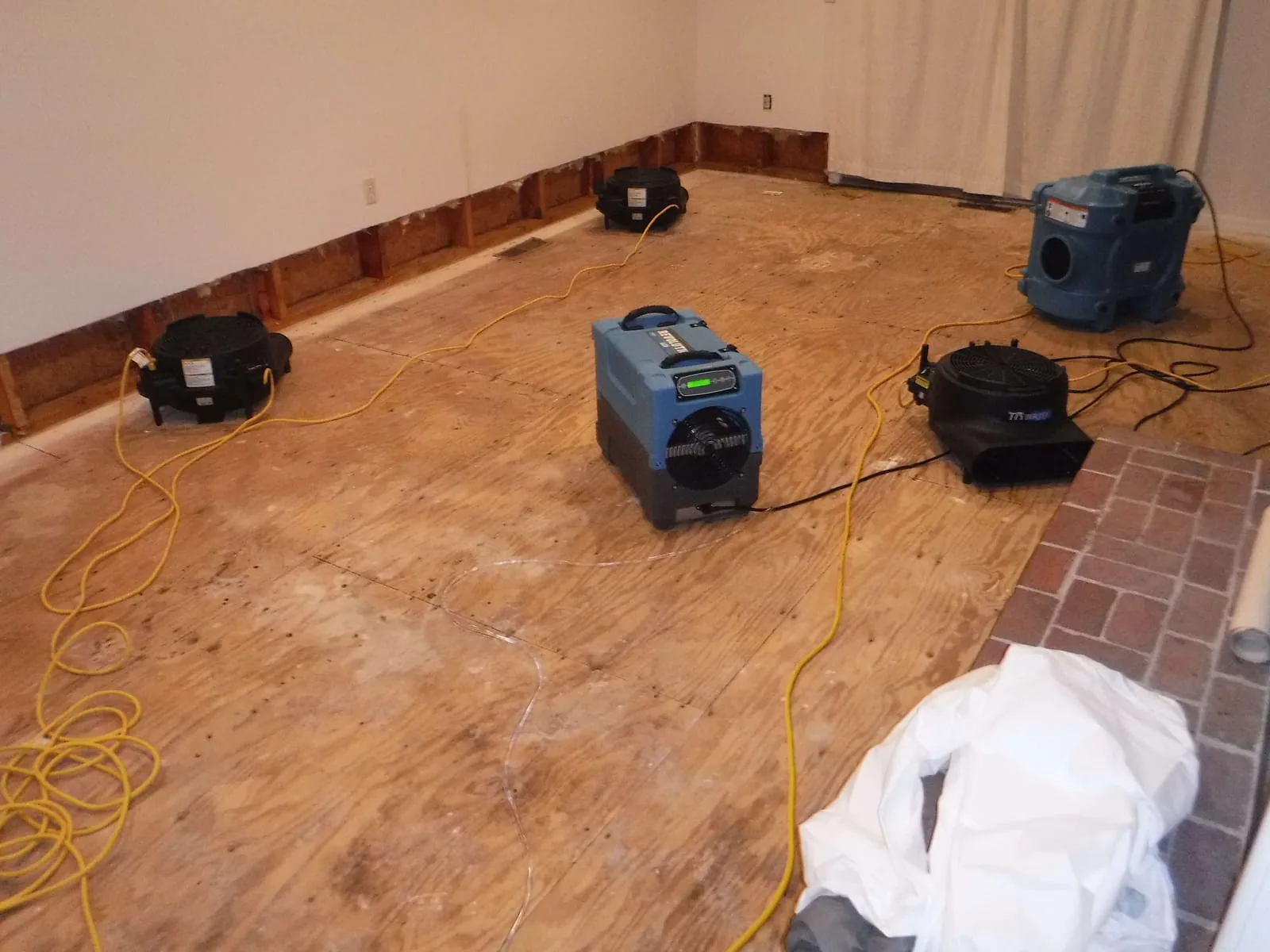
- Run fans to begin drying
Not doing mitigation can reduce your insurance settlement. 911 Storm handles emergency tarping, water extraction, and debris removal within 60 minutes across Fairfield and Westchester.
If a hurricane or nor'easter has hit your Greenwich, Stamford, or Westchester property, call 911 Storm immediately. Our crews can be on-site within 60 minutes with tarping, water extraction, and full insurance claim management. Free assessment, no out-of-pocket for covered losses.
Frequently Asked Questions
Should I file a claim even if damage looks minor?+
Document with photos either way. For minor damage (small shingle loss, few inches of basement water), compare repair cost to your deductible before filing. Multiple claims can affect future premiums.
How fast do I need to inspect after a storm?+
Within 24 hours ideally. Hidden water intrusion can trigger mold within 24-48 hours. Electrical hazards need immediate identification. Insurance expects prompt reporting.
Do I need a professional inspector before the adjuster arrives?+
Helpful but not required. Professional inspectors or restoration contractors can identify damage adjusters miss, giving you documentation to support supplemental claims later.
What if I find damage weeks later?+
File a supplemental claim. Most policies allow supplements when additional damage is discovered. Document with photos and timeline of discovery. Work with your carrier and contractor.
Related Services
Raf Volkov
Raf has personally supervised more than 100 restoration projects across Fairfield County, CT and Westchester County, NY since 2003. He holds IICRC Water Damage Restoration (2016), IICRC Fire & Smoke Restoration (2016), Goldmorr AIM Mycotoxin Remediation, EZ Breathe Installer, and Stego Vapor Barrier / ASTM E1643 certifications — attending manufacturer trainings every year. Every protocol on this site is built on standards he's trained and re-trained in.