
Most homeowners don't think about their sump pump until it fails — usually during a three-inch overnight rainfall when every crew in Fairfield and Westchester is already booked. The bad news: sump pump failures cause tens of thousands in damage in a single storm. The good news: 15 minutes of annual maintenance prevents almost all of them.
How Your Sump Pump Works
A sump pump sits in a pit at the lowest point of your basement. When groundwater or storm runoff collects in the pit, a float switch activates the pump, which discharges the water through a pipe to the outside. Most residential pumps can move 30–60 gallons per minute — enough to handle a heavy storm if everything is working correctly.
Monthly Test (5 Minutes)
- 1Pour 5 gallons of water into the sump pit
- 2Confirm the float rises and the pump activates
- 3Watch the pit empty completely
- 4Listen for unusual sounds — grinding, clattering, short-cycling
If any of these fail, call a professional.
Annual Maintenance
- Clean the sump pit of debris and sediment
- Check the discharge pipe for clogs, freezing damage, or disconnections
- Test the check valve (prevents backflow)
- Inspect the float switch for free movement
- Verify the power connection and GFCI
Battery Backup — Non-Negotiable in CT/NY
Power outages during storms are when you need the pump most — and when it's least likely to run without a backup. Options:
- Battery backup pump — secondary pump with its own battery, activates when primary fails
- Water-powered backup — uses municipal water pressure (for homes with city water)
- Whole-house generator — powers your entire home including the pump
For most Fairfield and Westchester homeowners, a battery backup pump is the best value — typically $500–$1,000 installed.
When to Replace
- Age 7+ years — expected residential lifespan is 7–10 years
- Visible rust or corrosion
- Short-cycling — turning on and off rapidly
- Running constantly — may be undersized for your water load
- Loud bearing noise — motor failure is imminent
What Happens When a Sump Pump Fails
Depending on how long it takes you to notice, you may face:
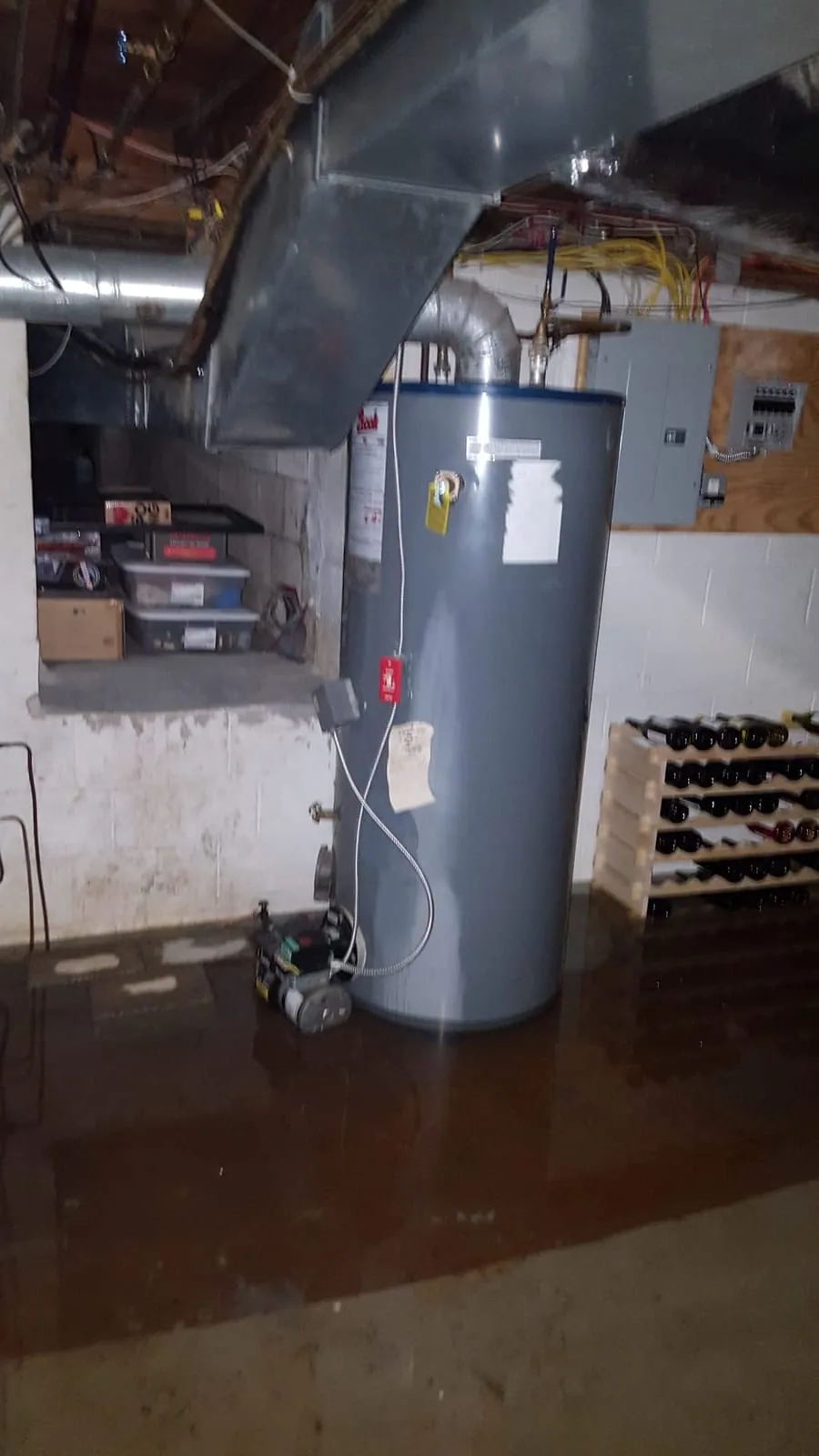
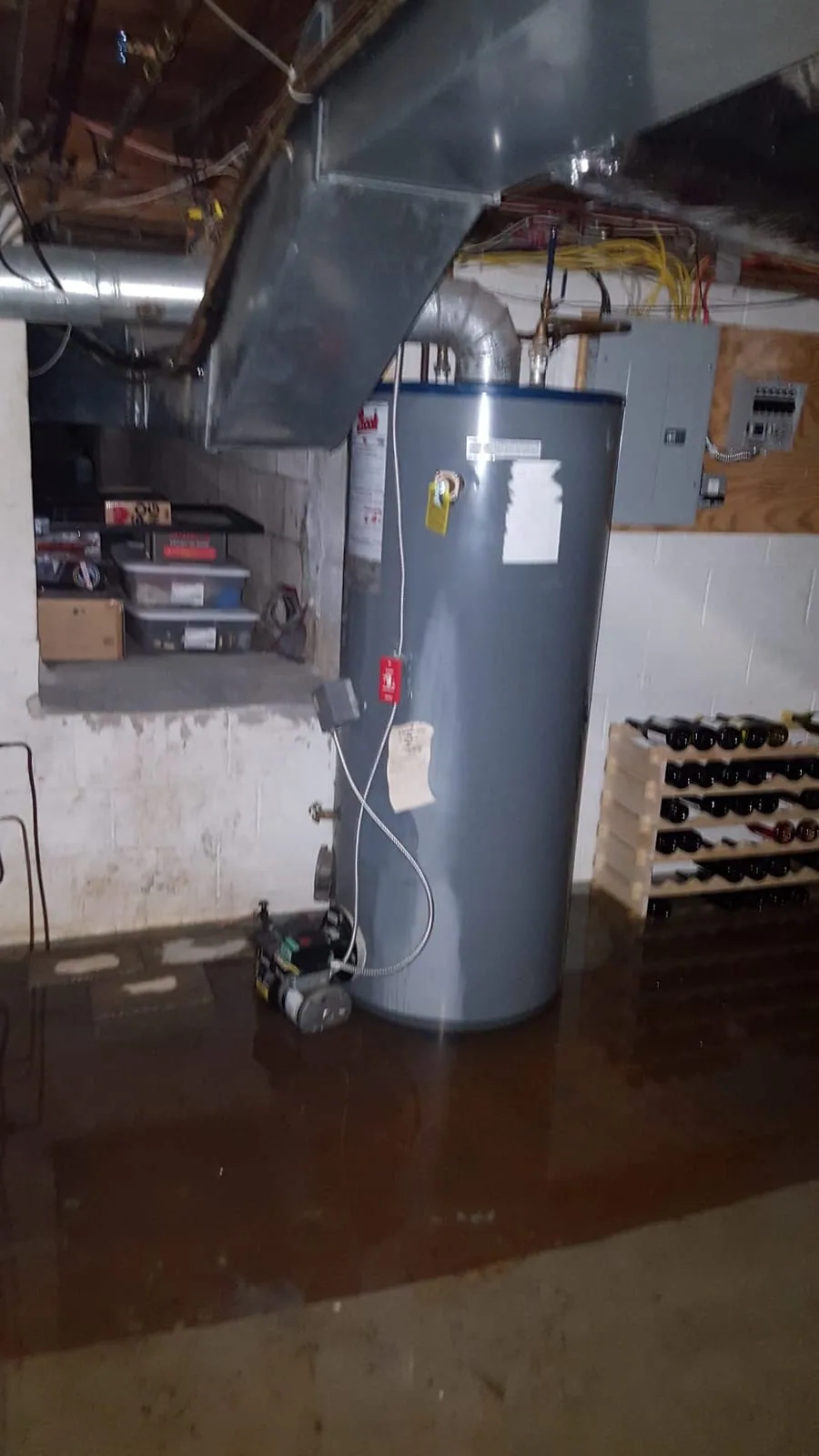
- 2–6 inches of standing water in your basement
- Full flooded basement requiring extraction
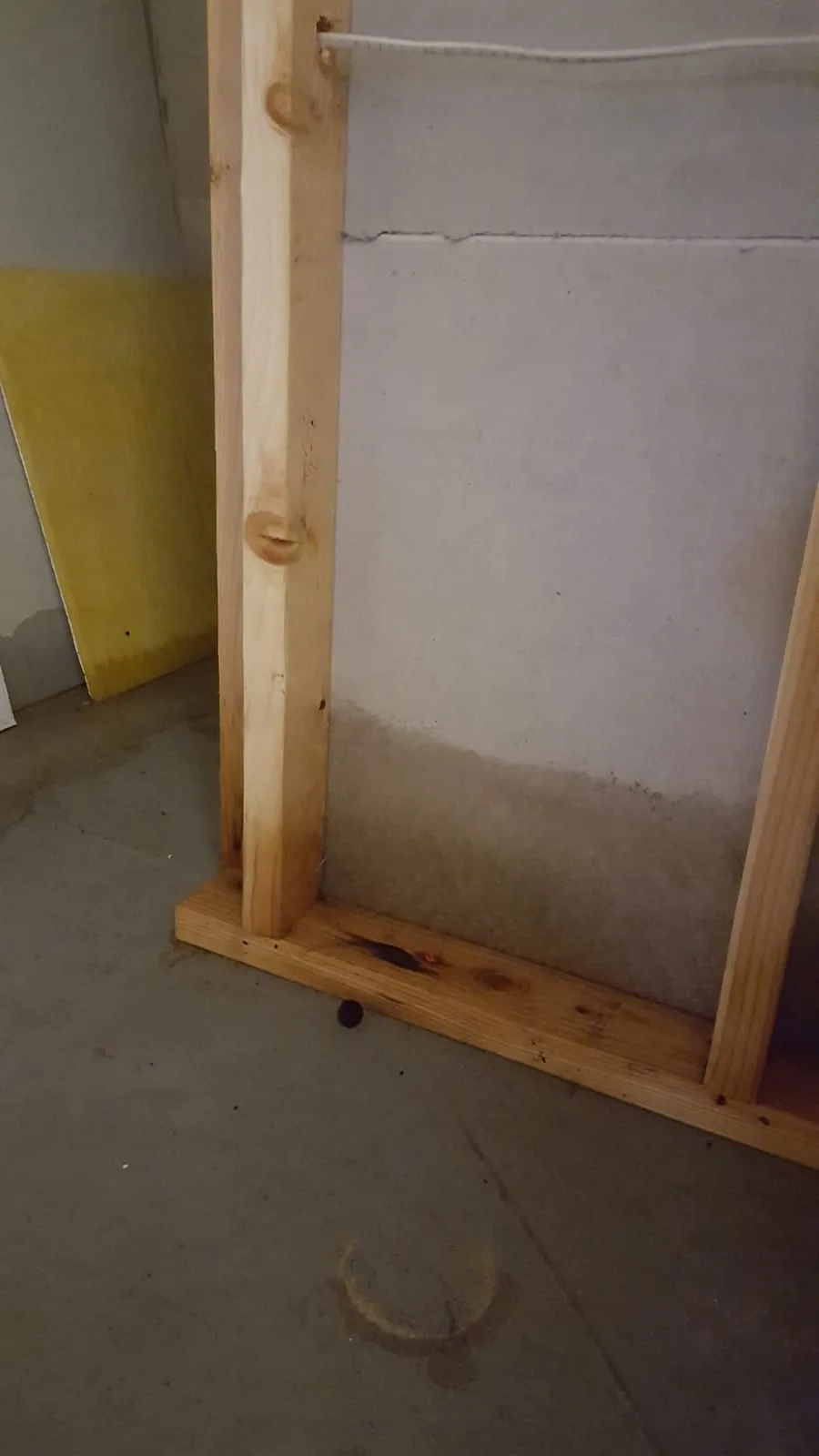
- Saturated drywall, insulation, and subflooring
- Mold growth within 24–48 hours if not dried promptly
- Ruined possessions, furnaces, and water heaters
Our 911 Storm crews respond to sump pump failures 24/7 across every town we serve — from Ridgefield to Scarsdale. Call us the moment you notice water, not the morning after.
Frequently Asked Questions
Should I have one or two sump pumps?+
Two — a primary on wired power and a battery backup secondary. The cost of a backup pump ($500-$1,000) is a fraction of a single flood event ($10K-$50K).
Do sump pumps work in winter?+
Yes, as long as the discharge line is not frozen. Many CT/NY homes suffer "frozen discharge" failures in January/February. Insulated discharge lines or a freeze-guard pop-off adapter prevents this.
How big should my sump pump be?+
Most homes need 1/3 HP (3,000 GPH) to 1/2 HP (4,800 GPH). Larger homes, high water tables, or steep lots may need 3/4 HP. Over-sizing causes short-cycling; under-sizing causes overflow.
Is a battery backup pump worth it?+
Absolutely — power outages during storms are when you MOST need the pump. Battery backup adds 6-12 hours of protection. In CT/NY nor'easter conditions, this is often the difference between a dry basement and a disaster.
Related Services
Raf Volkov
Raf has personally supervised more than 100 restoration projects across Fairfield County, CT and Westchester County, NY since 2003. He holds IICRC Water Damage Restoration (2016), IICRC Fire & Smoke Restoration (2016), Goldmorr AIM Mycotoxin Remediation, EZ Breathe Installer, and Stego Vapor Barrier / ASTM E1643 certifications — attending manufacturer trainings every year. Every protocol on this site is built on standards he's trained and re-trained in.