When water damage strikes your Fairfield or Westchester home, the actions you take in the first 24 hours shape the entire insurance outcome. As IICRC-certified contractors who handle insurance claims every day, the 911 Storm team has seen every variation of how water damage claims succeed — or get denied. This guide walks you through the exact process.
What Standard Homeowners Insurance Covers
Most standard HO-3 policies cover sudden and accidental water damage. That typically includes:
- Burst pipes and supply-line failures
- Appliance overflow (dishwasher, washing machine, refrigerator ice maker)
- Storm-driven rain through a sudden roof opening
- Firefighting water from a covered fire
Policies typically do NOT cover:
- Gradual leaks from poorly maintained plumbing
- Ground water or surface flooding (requires NFIP flood insurance)
- Sewer backup without a separate sewer/water backup endorsement
- Long-term mold unless it's a direct result of a covered water loss
Step 1: Document Before You Clean
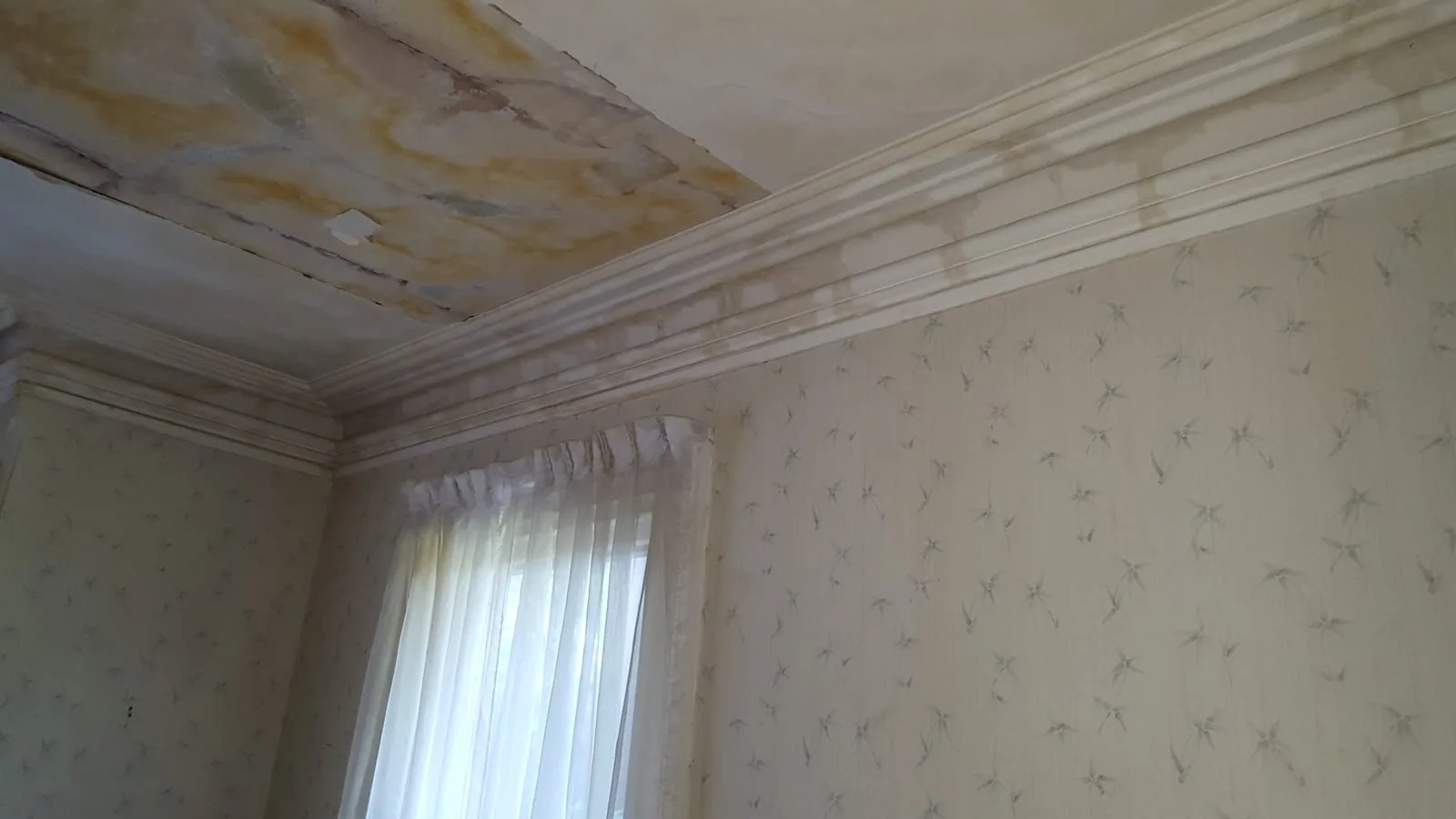
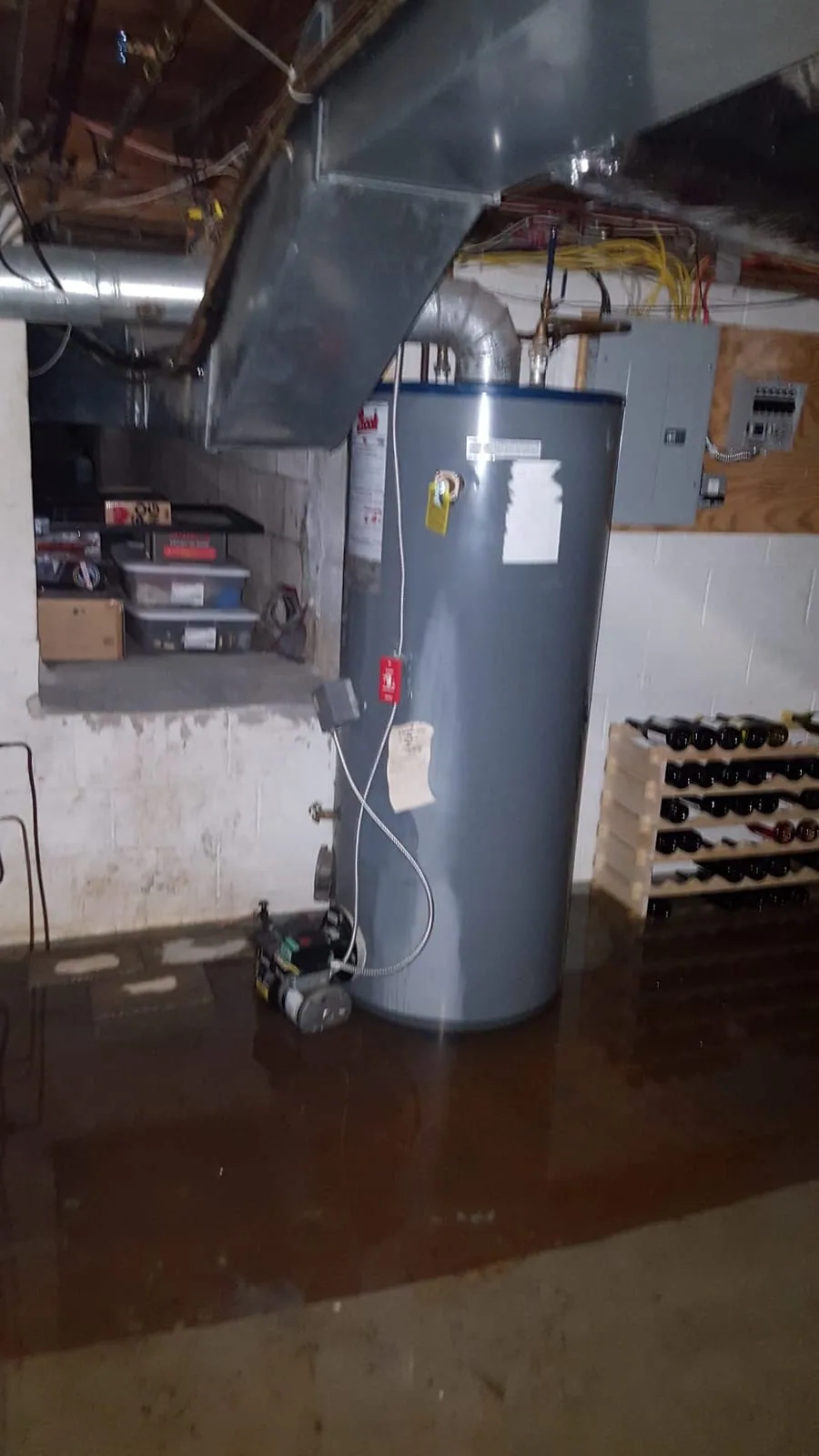
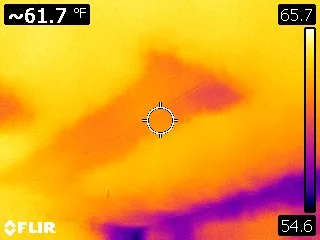
Photograph and video every affected area. Wide shots, close-ups, serial numbers on damaged appliances, water lines on walls, soaked contents. Insurance adjusters need this documentation to write an accurate scope.
Step 2: Mitigate to Prevent Further Damage
Your policy obligates you to prevent secondary damage. That means:
- Stop the water source
- Extract standing water
- Begin structural drying
- Cover openings
Our crews handle all of this — and document every action so your adjuster has a complete record. For the full step-by-step process — deadlines, documentation, and your rights under Connecticut law — see our Connecticut water damage insurance claim guide.
Step 3: Call Your Insurance Company Promptly
Call within 24 hours when possible. Get:
- Your claim number
- Your adjuster's name and contact
- Confirmation of your coverage and deductible
Step 4: Get a Professional Scope of Damage
Your adjuster will write an Xactimate estimate — the industry-standard scope-of-work software. 911 Storm writes Xactimate scopes directly, which means we can negotiate line-items with your adjuster on equal footing. This often means tens of thousands of dollars in additional covered scope compared to DIY negotiation.
Step 5: Work With a Direct-Bill Contractor
When you hire 911 Storm, we bill your carrier directly. You pay only your deductible. We handle:
- Supplemental claims for hidden damage discovered mid-job
- Negotiations with adjusters who try to scope-narrow
- Subrogation coordination when another party is liable
Common Claim Pitfalls to Avoid
- Cleaning too much before documentation — wait until you've photographed
- Accepting the first adjuster scope without challenge — initial scopes often miss 20–40% of covered damage
- Paying out-of-pocket then trying to get reimbursed — direct-bill is almost always better
- Signing an AOB (Assignment of Benefits) without reading it — know what rights you're transferring
If you've just experienced water damage anywhere from Greenwich to Yonkers, call 911 Storm immediately. Free on-site assessment, Xactimate scope, and full claim management — no cost to you for covered losses.
Frequently Asked Questions
Does a water damage claim raise my insurance rates?+
A single claim may or may not, depending on carrier, claim size, and your claim history. Multiple water claims within 3–5 years substantially raise the risk of non-renewal. Insurers increasingly use CLUE reports to track water claims.
What's the difference between ACV and RCV?+
Actual Cash Value (ACV) = replacement cost MINUS depreciation. Replacement Cost Value (RCV) = full replacement cost at current market. RCV policies typically cost more but reimburse much more. Check your policy type.
Do I need to get multiple estimates?+
Insurance companies can't require you to get multiple estimates from contractors they choose. But comparing estimates (or having a restorer review the adjuster's scope) often reveals missed line items.
What if my claim is denied?+
You have the right to appeal. Request the denial in writing, review your policy language carefully, and consider hiring a public adjuster or attorney for large losses. Many denials are reversed on appeal with proper documentation.
Related Services
Raf Volkov
Raf has personally supervised more than 100 restoration projects across Fairfield County, CT and Westchester County, NY since 2003. He holds IICRC Water Damage Restoration (2016), IICRC Fire & Smoke Restoration (2016), Goldmorr AIM Mycotoxin Remediation, EZ Breathe Installer, and Stego Vapor Barrier / ASTM E1643 certifications — attending manufacturer trainings every year. Every protocol on this site is built on standards he's trained and re-trained in.