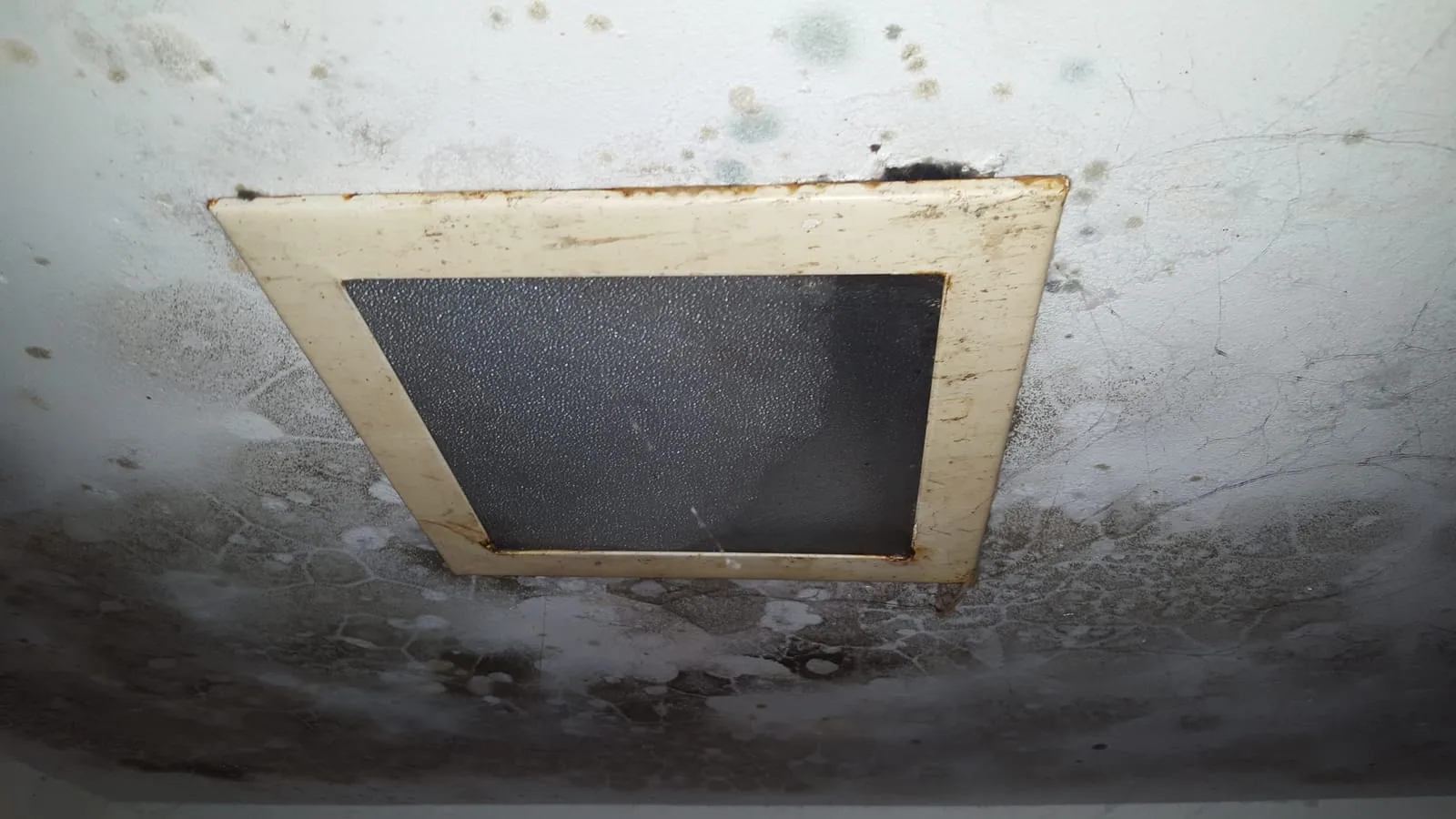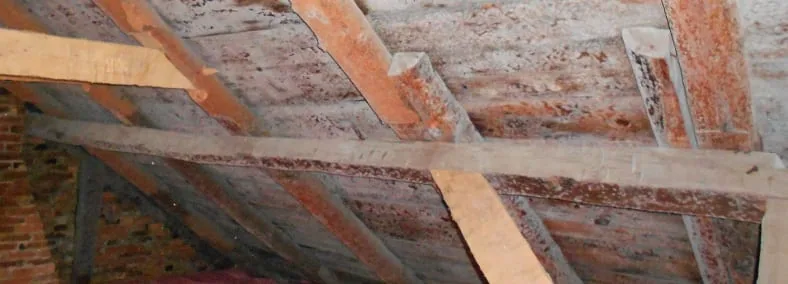

"How long will this take?" is the first question almost every mold remediation client asks after a contamination is discovered. The honest answer: it depends heavily on the scope. A small bathroom mold patch might be wrapped up in 2–3 days. A whole-house HVAC contamination with multiple species can easily run 2 weeks or more. Here's the realistic breakdown.
Day 1: Assessment and Testing
- Walk-through with the client and adjuster
- Mold testing — surface samples, air samples
- Moisture mapping with meters and thermal imaging
- Scope of work written and submitted to insurance
For small jobs, remediation may begin the same day. For larger jobs, lab results (typically 48–72 hours) drive the scope.
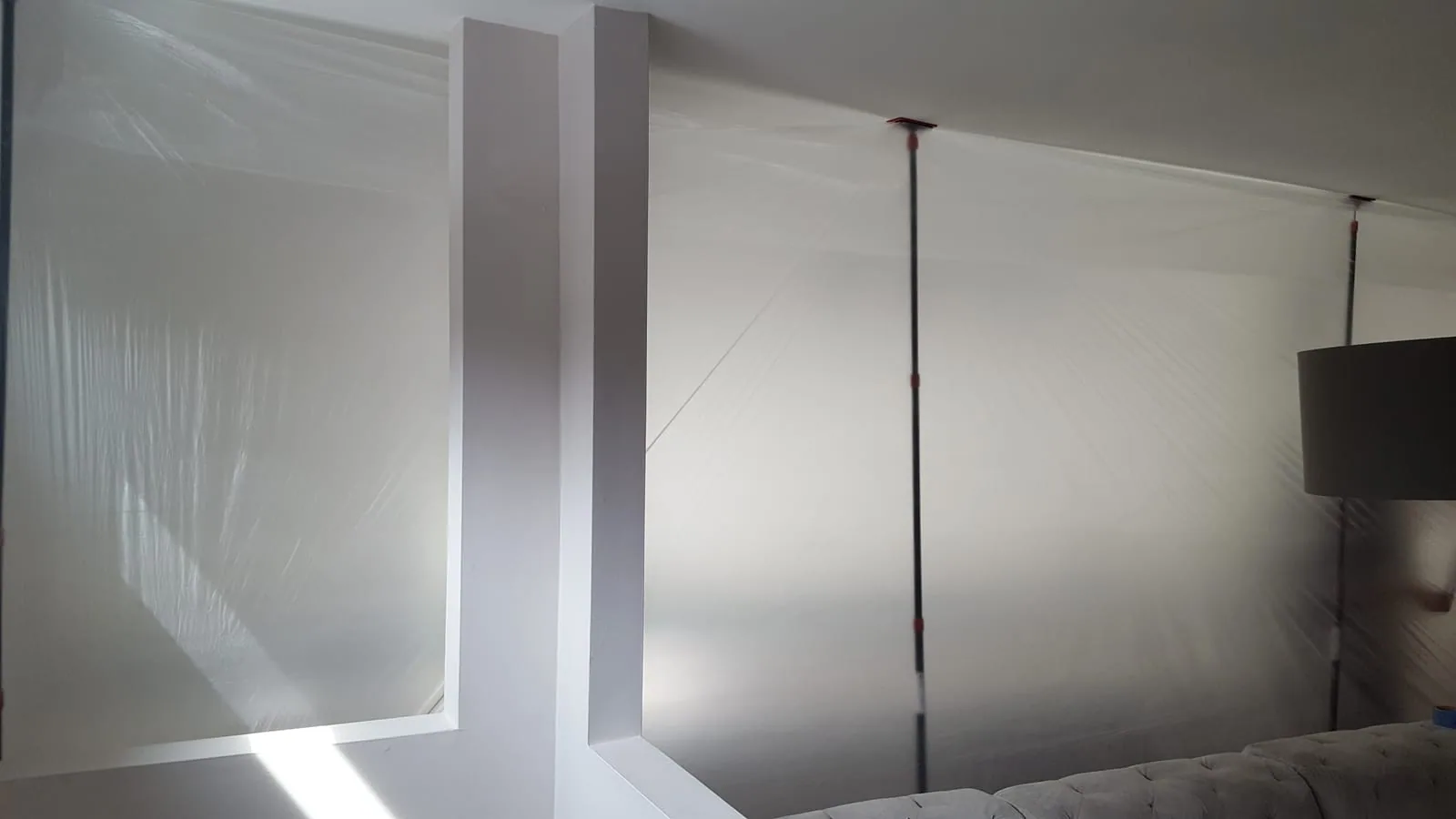
Day 2–3: Containment Setup
- Poly sheeting containment with zippered access
- Negative air pressure established with HEPA scrubbers
- HVAC shut down and sealed
- PPE staging area created
- Waste disposal pathway established
Day 3–10: Active Remediation
This is the variable phase. Work includes:
- Controlled demolition of contaminated drywall, insulation, and porous materials
- Antimicrobial treatment of framing and structural materials
- HEPA vacuum and wet-wipe cleaning of all surfaces
- HVAC decontamination if affected
- Dehumidification to bring materials below 15% moisture content
For context, here's a rough range:
- Small bathroom, <10 sq ft affected area — 2–3 days total
- Average basement, 100–300 sq ft affected — 5–7 days
- Full-floor or HVAC contamination — 10–14 days
- Whole-house with structural repair — 2–4 weeks
Day After Remediation: Post-Clearance Testing
Before containment comes down, independent air quality testing verifies spore counts are back to normal levels (typically requiring counts equal to or lower than outdoor baseline). If the space fails clearance, additional cleaning is required.
Reconstruction Phase
After clearance, drywall, insulation, flooring, and finishes are rebuilt. This phase is typically:
- 2–5 days for small scope
- 1–3 weeks for medium scope
- 3–8 weeks for whole-house scope
Factors That Extend Timelines
- Insurance claim delays — adjuster scope negotiations
- Hidden moisture discovery — finding more damage than initial scope
- Material lead times — custom cabinetry, hardwood matching
- Secondary contamination — HVAC, adjacent units in condos
- Failed clearance tests — re-cleaning required
911 Storm has been remediating mold across Fairfield County and Westchester County for over a decade — from small Cos Cob bathroom jobs to whole-house contaminations in Chappaqua. Every job gets the time it needs. Free on-site scope and timeline estimate — call today.
Frequently Asked Questions
Can I stay in my home during mold remediation?+
For small, contained scopes — often yes. For whole-house or HVAC contamination — typically no for 3-7 days. Your remediation company will advise based on scope and sensitivity.
Why does clearance testing matter?+
It's the only objective proof the remediation worked. Without clearance testing, you have no defense against recurrence claims, and some insurance carriers won't close claims without it.
What if the clearance test fails?+
Additional cleaning is required until the test passes. This is built into the scope at no additional cost with reputable remediators. Ask your contractor about their clearance guarantee.
Does mold remediation include repairs?+
Remediation removes contaminated materials and decontaminates surfaces. Reconstruction (drywall, paint, flooring, trim) is a separate but typically coordinated phase. Many companies including 911 Storm handle both.
Related Services
Raf Volkov
Raf has personally supervised more than 100 restoration projects across Fairfield County, CT and Westchester County, NY since 2003. He holds IICRC Water Damage Restoration (2016), IICRC Fire & Smoke Restoration (2016), Goldmorr AIM Mycotoxin Remediation, EZ Breathe Installer, and Stego Vapor Barrier / ASTM E1643 certifications — attending manufacturer trainings every year. Every protocol on this site is built on standards he's trained and re-trained in.