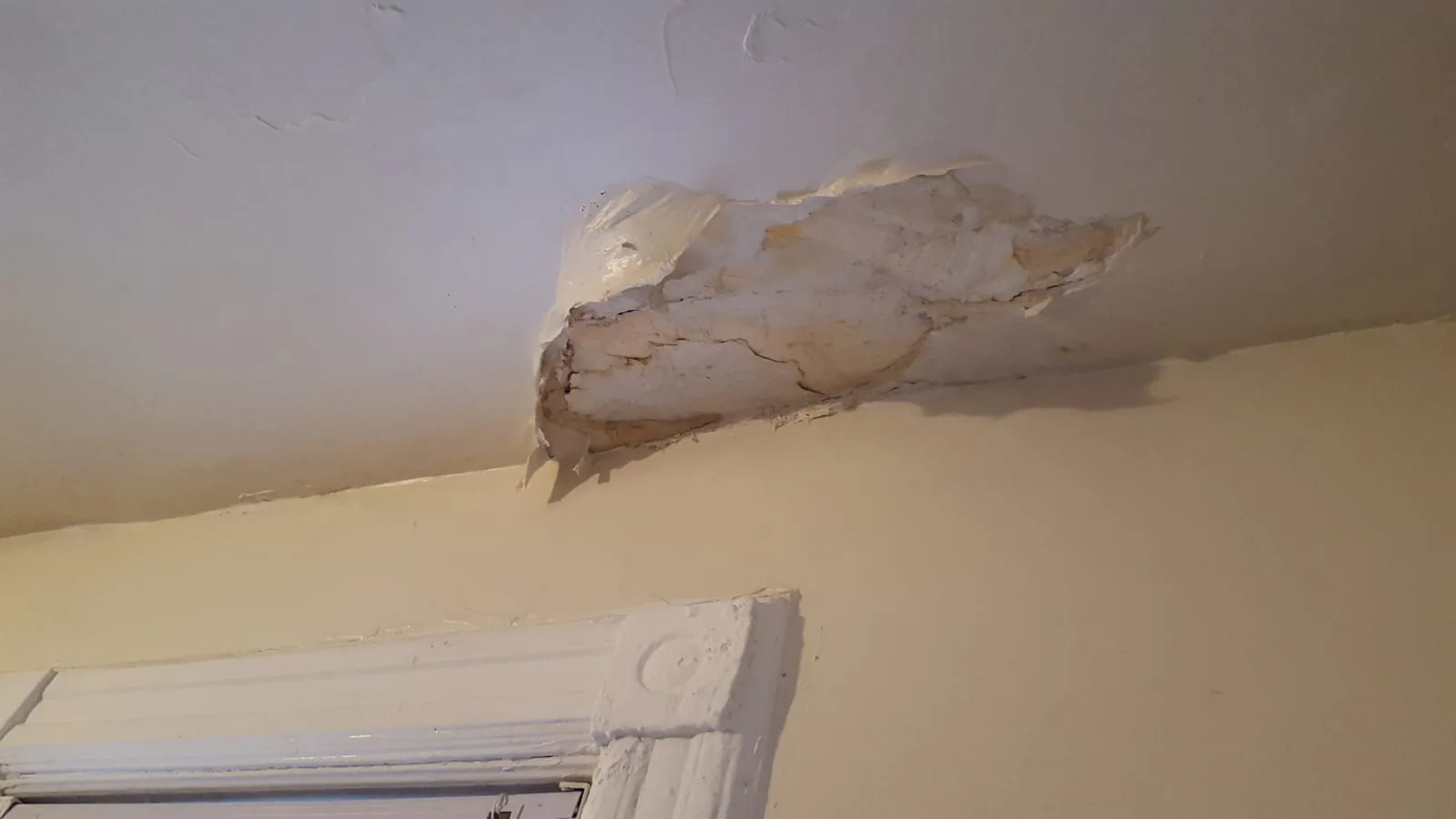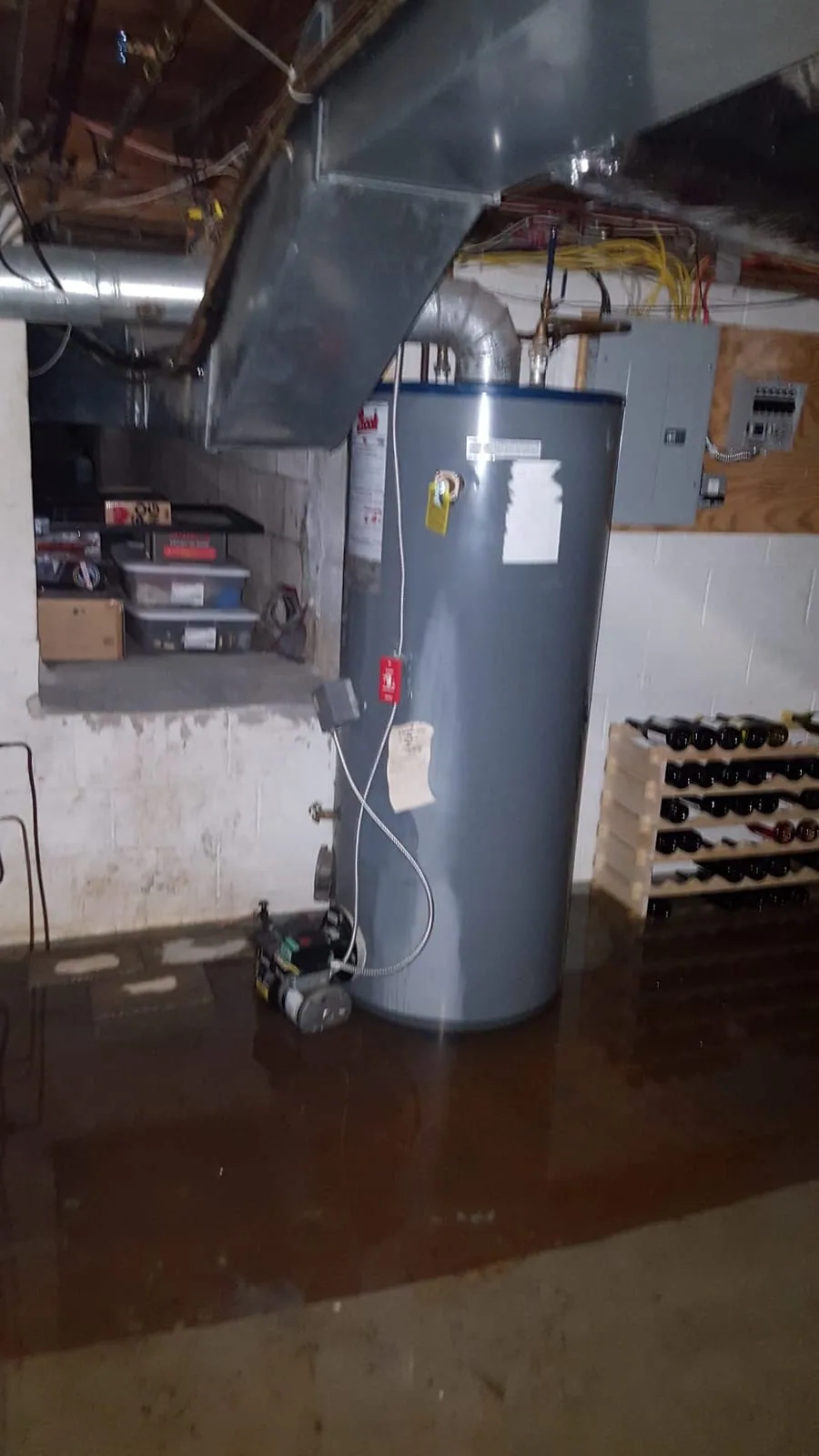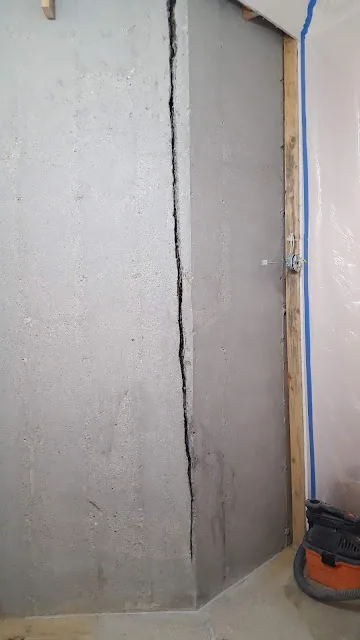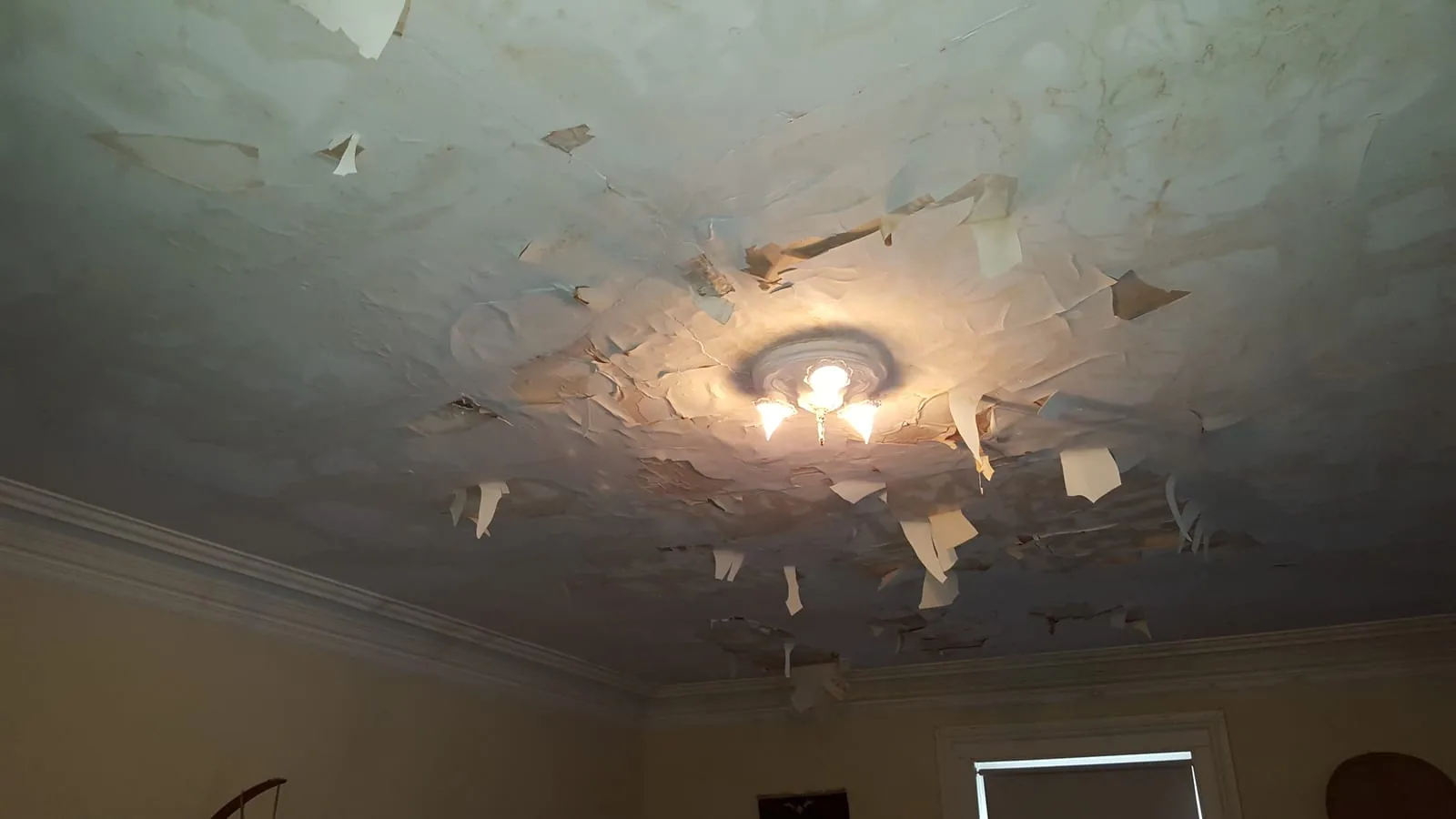

January and February bring subzero nights to Fairfield and Westchester — and with them, the season's most catastrophic water damage events. A single burst frozen pipe can release 250 gallons per hour. A leak that runs for six hours overnight produces 1,500 gallons of water damage, often distributed across multiple floors. Our burst pipe emergency response team works around the clock in cold snaps — but preventing the burst in the first place is always better than remediating the damage.
Why Pipes Burst
Ice expansion in a frozen pipe doesn't split the pipe at the freeze point — it builds pressure between the freeze and the closed faucet downstream. That pressure splits the weakest section of the line, often far from the ice itself. That's why a freeze in your exterior wall can cause a burst in your upstairs bathroom.
Pipes Most at Risk
- Pipes in exterior walls — especially north-facing and uninsulated
- Pipes in unheated spaces — crawl spaces, attics, garages, unfinished basements
- Pipes under kitchen and bathroom sinks on exterior walls
- Outdoor hose bibs and exterior pool supply lines
- Pipes in vacation homes or properties left unoccupied in winter
Before the Cold Arrives — Fall Prep
- Drain and blow out outdoor hose bibs and irrigation systems
- Disconnect garden hoses
- Insulate pipes in crawl spaces, attics, and garages (foam sleeves minimum)
- Seal air leaks near pipes (caulk, expanding foam)
- Know where your main shut-off valve is and test it
When Temperatures Drop Below 20°F
- Open cabinet doors under sinks on exterior walls — allow warm air in
- Run a pencil-thick trickle from faucets served by exterior-wall piping
- Keep thermostat at 55°F or higher even when away
- Close the garage door if water lines run through it
When Temperatures Drop Below 10°F
- Run faucet trickles on every exterior-wall fixture
- Use a space heater in unheated rooms with piping (carefully, with safety in mind)
- Don't lower your nighttime thermostat setback
If a Pipe Freezes
- 1Shut off the water supply at the main valve (know this location before you need it)
- 2Open the faucet fed by the frozen pipe (relieves pressure as it thaws)
- 3Apply gentle heat to the pipe — hair dryer, heating pad, warm towels
- 4NEVER use an open flame, propane torch, or blowtorch — major fire risk
- 5If you can't locate the freeze or it won't thaw, call a plumber immediately
If a Pipe Bursts
- 1Shut off water at the main valve immediately
- 2Shut off electricity to any affected area
- 3Document the damage — photos, video
- 4Call 911 Storm immediately — the first 60 minutes shape the total restoration cost
- 5Call your insurance carrier — our CT insurance claim guide covers exactly what to say and document
What 911 Storm Does
When we arrive (typically within 60 minutes anywhere from Greenwich to Pelham):
- Emergency water extraction
- Moisture mapping with thermal imaging
- Structural drying setup — air movers and dehumidifiers
- Antimicrobial treatment to prevent mold growth
- Content pack-out when needed
- Full insurance claim management
The single most expensive water damage mistake we see: homeowners turning off heat entirely while traveling in winter. Set your thermostat at 55°F minimum and ask a neighbor to check in if the weather forecast drops to subzero. A $200 heating bill is cheaper than $40,000 in water damage.
Frequently Asked Questions
At what temperature do pipes freeze?+
Generally below 20°F for uninsulated pipes in exposed locations. Insulated pipes in heated spaces resist freezing down to much colder temperatures.
Should I leave water running overnight during cold snaps?+
A pencil-thick trickle from faucets served by exterior-wall pipes, yes. Moving water resists freezing. The minor water bill increase is insignificant compared to pipe-burst damage.
What do I do if I find a frozen pipe?+
Shut off the main water valve, open the faucet downstream of the freeze, and apply gentle heat (hair dryer, heating pad). Never use open flames. If you can't locate or thaw it, call a plumber.
Is frozen pipe damage covered by insurance?+
Usually yes, under sudden-and-accidental water damage coverage — but only if you took reasonable precautions. Insurers may deny claims if heat was turned off or obvious neglect is documented.
Related Services
Raf Volkov
Raf has personally supervised more than 100 restoration projects across Fairfield County, CT and Westchester County, NY since 2003. He holds IICRC Water Damage Restoration (2016), IICRC Fire & Smoke Restoration (2016), Goldmorr AIM Mycotoxin Remediation, EZ Breathe Installer, and Stego Vapor Barrier / ASTM E1643 certifications — attending manufacturer trainings every year. Every protocol on this site is built on standards he's trained and re-trained in.