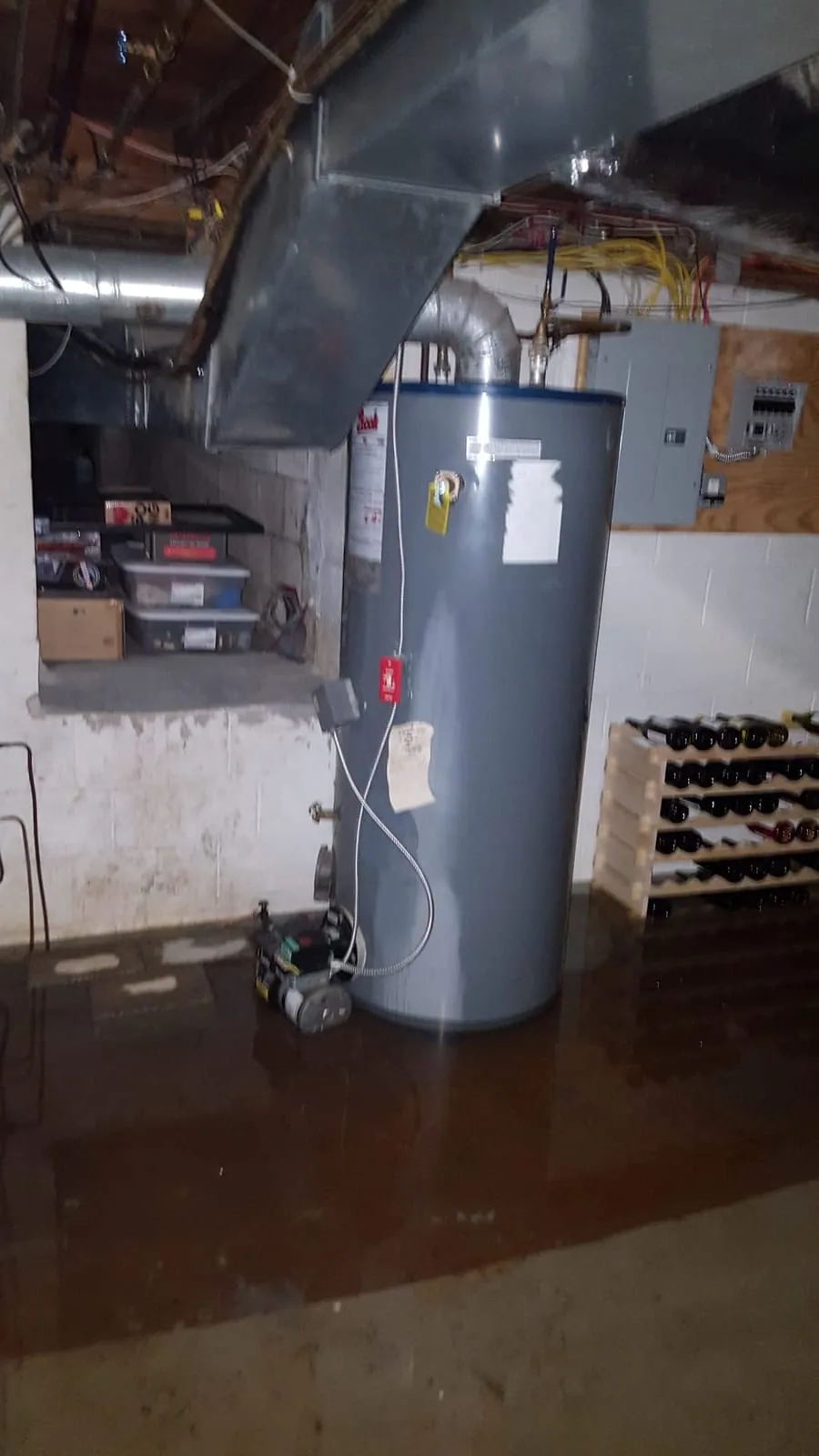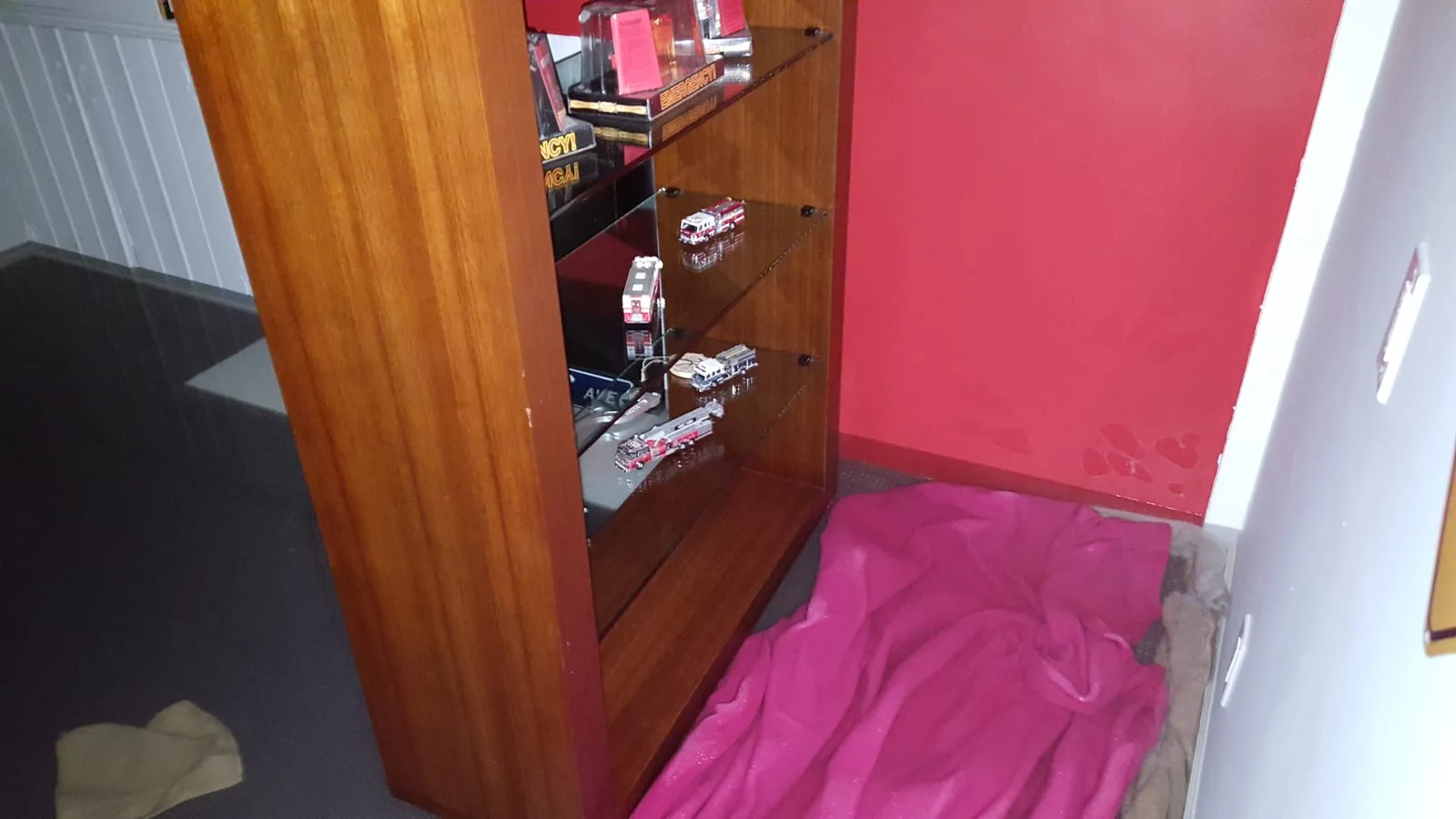
A finished basement flood in Greenwich, Darien, Westport, Scarsdale, or Rye rarely behaves like an unfinished utility-room leak. Water moves under engineered flooring, behind base cabinets, into acoustic panels, under gym mats, around wine-cellar insulation, and through wall cavities before anyone sees the full footprint. That is why our flooded basement and water damage restoration scopes start with mapping, not guessing.
The Rooms That Change the Scope
The highest-cost basement losses usually involve one of these spaces:
- Home theaters with acoustic panels and wiring chases
- Wine cellars with insulated walls and dedicated HVAC
- Gyms with rubber flooring that traps water underneath
- Guest suites with carpet, padding, and wall cavities
- Finished laundry rooms with cabinetry and appliance lines
- Mechanical rooms with boilers, air handlers, and electrical panels
Each material has a different dry standard. Carpet pad is usually removed. Engineered wood may or may not be salvageable. Cabinet toe-kicks need inspection. The expensive mistake is drying only what is visible.
Moisture Mapping Before Demolition
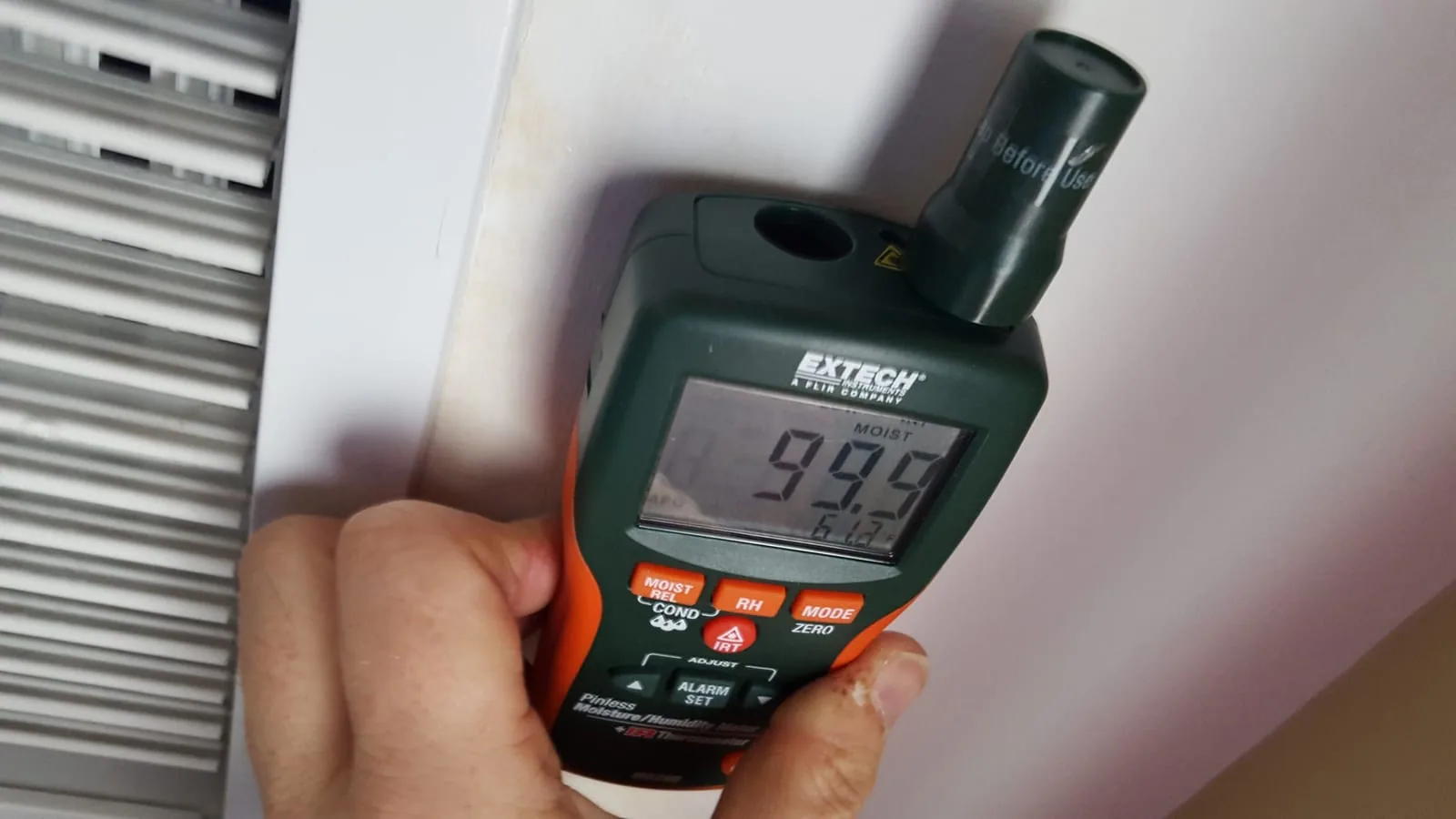
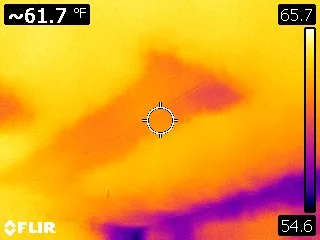
Before cutting walls or pulling floors, we map the wet zone with thermal imaging, pin and pinless meters, and room-by-room photos. A thermal camera does not prove moisture by itself, but it shows temperature anomalies that guide meter confirmation. Our guide to thermal imaging behind walls explains why this reduces unnecessary demolition.
That documentation also helps your adjuster understand why a basement that looked mostly dry still required equipment, removal, or supplemental scope.
Insurance Documentation for Premium Basements
Luxury basements often involve high-value contents, custom flooring, specialty carpentry, and carrier review from Chubb, PURE, AIG Private Client, Cincinnati, Travelers, or similar insurers. The scope should separate:
- Emergency mitigation and extraction
- Contents manipulation or pack-out
- Material removal and cleaning
- Drying equipment and monitoring
- Rebuild and finish matching
- Supplemental hidden damage found mid-job
Our recent projects show how scope, carrier, and timeline details are documented across local losses.
How to Reduce the Final Cost
The best cost control is speed. Shut off the source, call immediately, and do not wait to see if the basement dries on its own. You can ballpark your scenario with our restoration cost calculator while the crew is en route. Add practical prevention before the next storm: battery sump backup, water alarms, serviceable shutoff valves, raised storage, and annual inspection of appliance lines.
For homes in Westport, Darien, Scarsdale, and Rye, those small controls protect rooms that can cost six figures to rebuild.
A finished basement flood is not a mop-and-fan problem. It needs moisture mapping, fast extraction, controlled demolition decisions, drying verification, and insurance documentation that respects the value of the space. Call 911 Storm before hidden wet pockets become mold or finish failure.
Frequently Asked Questions
Can engineered wood flooring be saved after basement flooding?+
Sometimes, but only if moisture is removed quickly and the underside is not saturated. Many floating floors trap water underneath and must be lifted for drying.
Do you remove all drywall after a basement flood?+
No. We remove only what is unsalvageable, contaminated, or required for drying access. Moisture readings and water category drive the decision.
How long does a finished basement drying job take?+
Typical drying is 3-5 days, but complex basements with wet insulation, built-ins, or low evaporation materials can take longer.
Will insurance cover custom finishes?+
If the loss is covered, matching and like-kind replacement depend on your policy language and documentation. Premium carrier policies often require detailed proof of pre-loss materials.
Related Services
Raf Volkov
Raf has personally supervised more than 100 restoration projects across Fairfield County, CT and Westchester County, NY since 2003. He holds IICRC Water Damage Restoration (2016), IICRC Fire & Smoke Restoration (2016), Goldmorr AIM Mycotoxin Remediation, EZ Breathe Installer, and Stego Vapor Barrier / ASTM E1643 certifications — attending manufacturer trainings every year. Every protocol on this site is built on standards he's trained and re-trained in.