
Our water damage crews get called to plenty of "leaks" that turn out to be condensation — and plenty of "condensation" cases that are serious leaks. Getting this diagnosis right saves money and prevents mold. Here's how to tell which you're dealing with.
How Condensation Appears
Condensation forms when warm humid air meets a cold surface. Classic indicators:
- Small water beads on cold pipes, windows, or AC vents
- Appears overnight, often worst in morning
- Seasonal: summer (AC cycle) or winter (poor insulation)
- Disappears during dry conditions
- Usually localized to predictable cold spots
How Leaks Appear
Leaks follow different patterns:
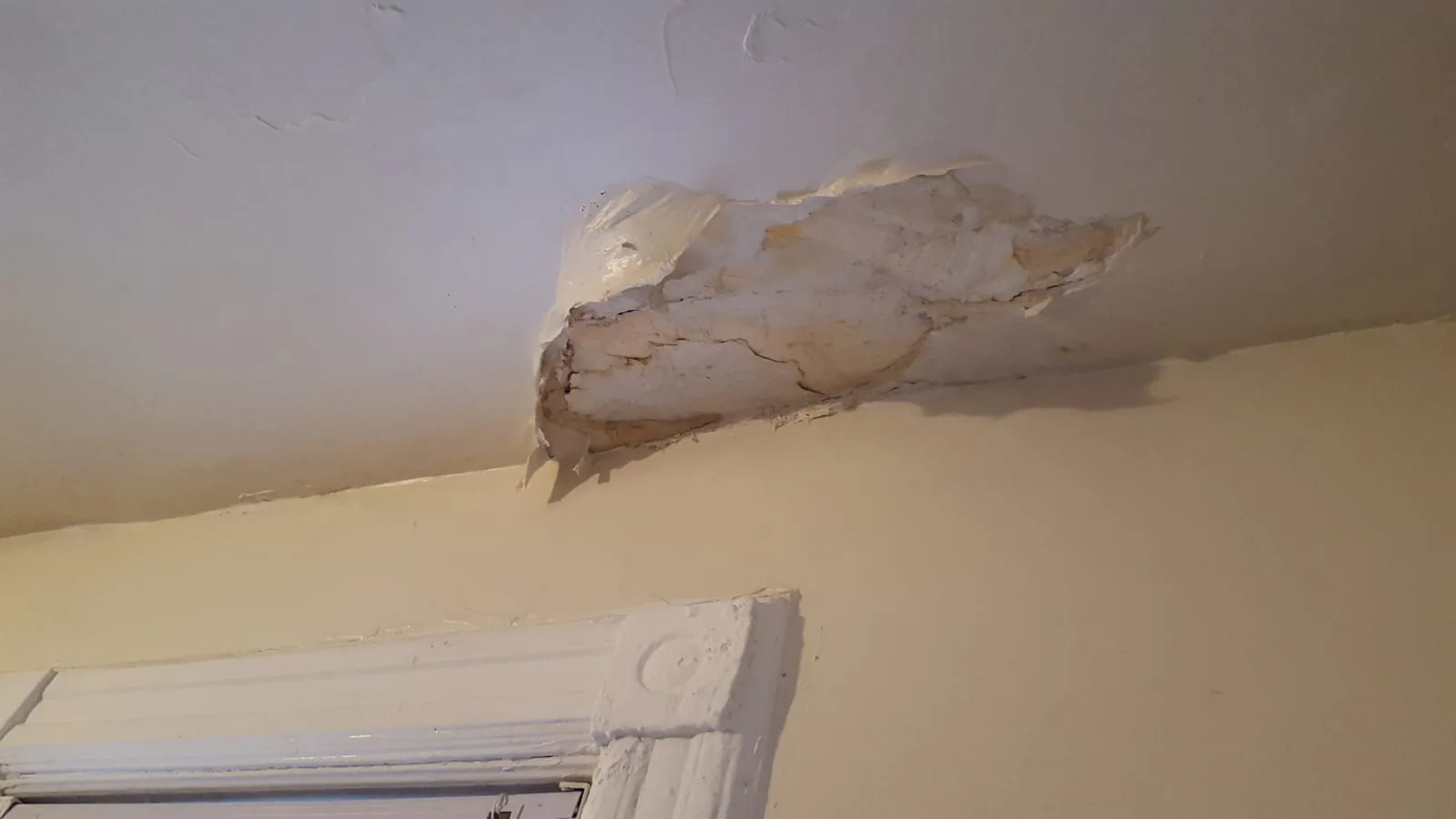
- Yellow/brown stains that expand over days or weeks
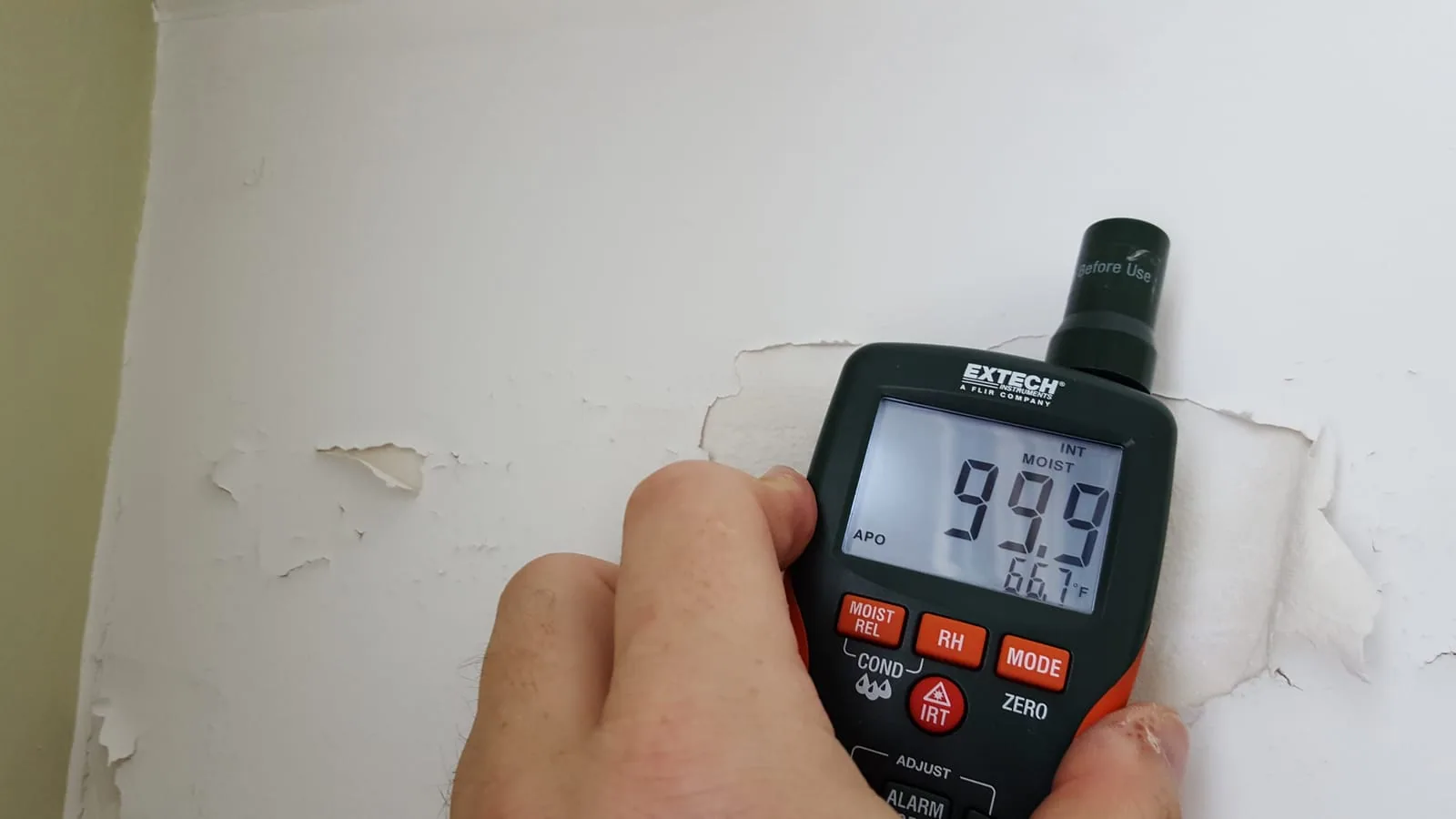
- Paint bubbling or peeling
- Warped wood or buckled floors
- Steady drip or active running water
- Persists regardless of weather
- Often accompanied by hidden plumbing leaks — check your water bill
The Water Bill Test
Fast diagnosis: turn off all water fixtures. Check your water meter. If the dial keeps moving, you have an active leak somewhere. Condensation never moves your water meter.
Common Condensation Hotspots (Not Leaks)
- Cold water supply lines in uninsulated basements (summer)
- Inside walls of older homes with poor insulation (winter)
- Toilet tanks in humid bathrooms (summer)
- Windows in winter (humidity escaping the house)
- AC ductwork in attics (summer)
Control these with dehumidification, insulation, and ventilation — no restoration required.
Common Leak Sources Often Mistaken for Condensation
- Slow roof leaks during winter look like ice-dam condensation
- Pinhole pipe leaks can produce small droplets that mimic condensation
- Refrigerator icemaker supply line leaks — slow, intermittent
- Window frame leaks — appear similar to window condensation but originate outside
- Tub/shower grout leaks into adjacent rooms
When to Call a Professional
If you see any of these, it's a leak, not condensation:
- Wet area expanding
- Stains getting darker
- Soft or sagging drywall
- Warped or buckled floors
- Musty smell
- Water bill spike
Call 911 Storm — we use thermal imaging and moisture meters to pinpoint hidden leaks in minutes.
The cost of mis-diagnosing a leak as condensation is measured in months of hidden damage and potential mold growth. If you're unsure, professional diagnosis takes 30 minutes and is often free as part of an on-site assessment.
Frequently Asked Questions
Can condensation cause mold?+
Yes, if sustained. Chronic condensation on surfaces creates the moisture mold needs. Window frames and uninsulated pipes are common condensation-driven mold sites.
Can I fix condensation myself?+
Usually yes — reduce indoor humidity (dehumidifier, ventilation, bath fans), insulate cold surfaces (pipe wrap), and address the underlying cause (air leaks, poor ventilation).
What's the best tool for finding hidden leaks?+
Thermal imaging cameras show temperature differentials where water is. Paired with moisture meters, they pinpoint leaks in minutes. Professional moisture-mapping is the gold standard.
Is ceiling water always a leak from above?+
Usually, but not always. Condensation from an attic or poor insulation can produce ceiling stains that mimic roof leaks. Thermal imaging tells the difference.
Related Services
Raf Volkov
Raf has personally supervised more than 100 restoration projects across Fairfield County, CT and Westchester County, NY since 2003. He holds IICRC Water Damage Restoration (2016), IICRC Fire & Smoke Restoration (2016), Goldmorr AIM Mycotoxin Remediation, EZ Breathe Installer, and Stego Vapor Barrier / ASTM E1643 certifications — attending manufacturer trainings every year. Every protocol on this site is built on standards he's trained and re-trained in.