
Mold and mildew are both fungi that thrive in moist environments, but they're very different in terms of severity, appearance, and the response they require. Our mold remediation team in Fairfield and Westchester Counties gets calls every week from homeowners who aren't sure which they're dealing with — and the answer changes everything.
What Is Mildew?
Mildew is a surface fungus that typically appears as a flat, white or gray powdery growth on damp surfaces. It's commonly found on shower tiles, window sills, and damp fabrics. Mildew stays on the surface and can usually be cleaned with a household cleaner and a scrub brush. Left unaddressed, it can discolor surfaces but rarely causes structural damage.
What Is Mold?
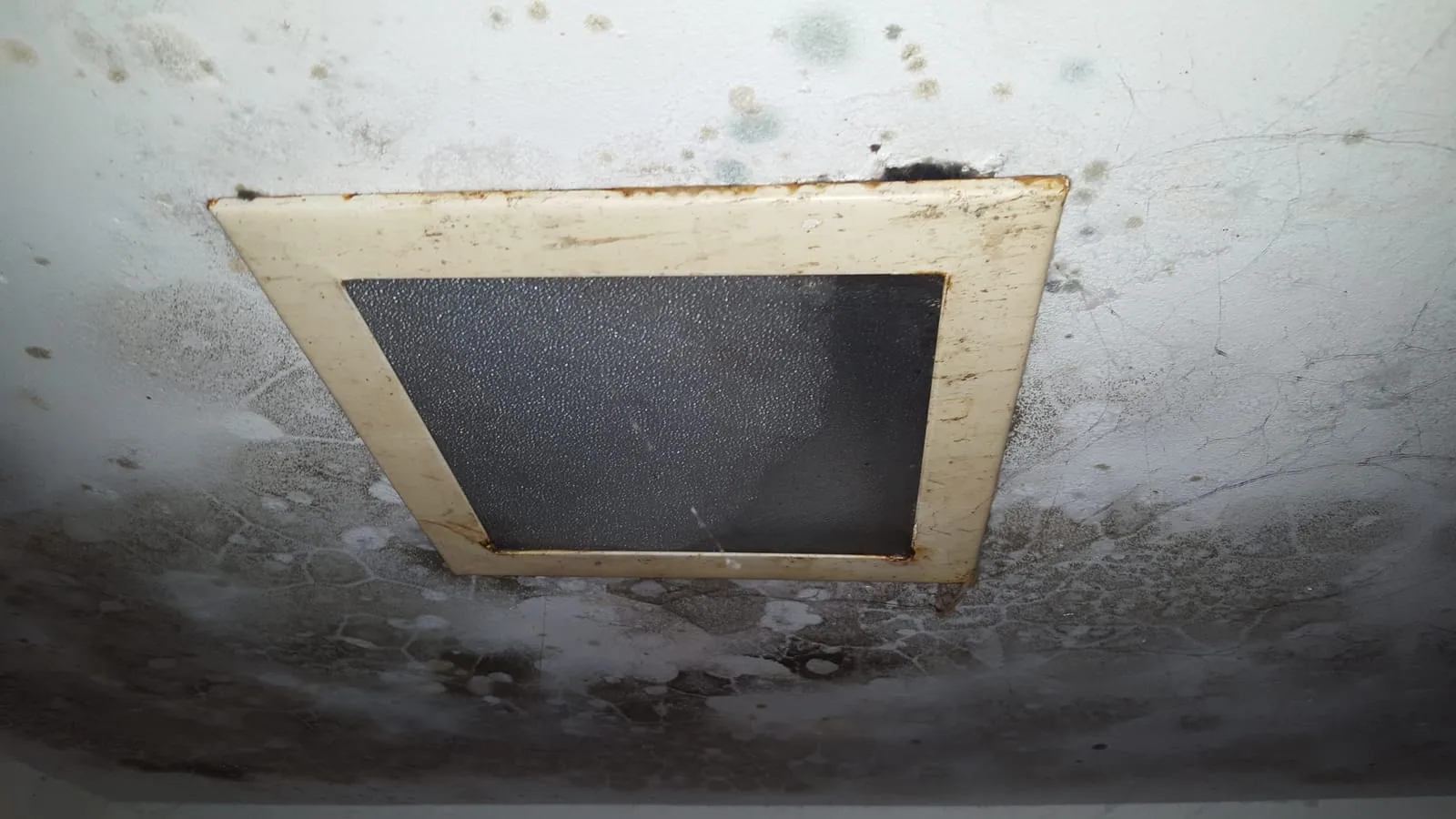
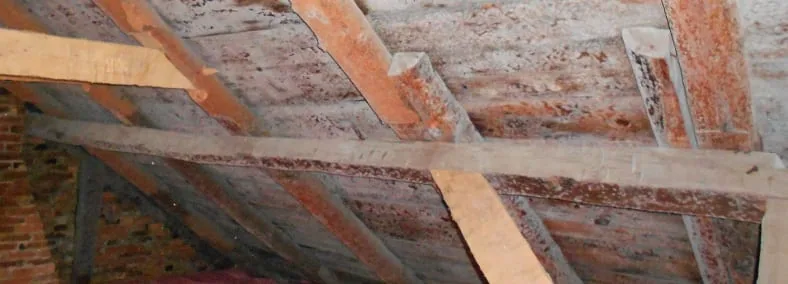
Mold is a more aggressive fungus that penetrates surfaces and can spread through walls, flooring, and HVAC systems. It typically appears green, black, or blue-gray and often has a fuzzy or slimy texture. Black mold (Stachybotrys chartarum) in particular can cause serious health issues including respiratory problems, headaches, and chronic fatigue. Mold colonies can double in size within 24–48 hours under the right conditions.
When to DIY vs. Call a Professional
You can handle mildew yourself in most cases. Mold is a different story:
- Call a professional if the affected area is larger than 10 square feet
- Call a professional if the mold is black or dark green
- Call a professional if mold is present in your HVAC system
- Call a professional if anyone in the household has respiratory issues or allergies
- Call a professional if the mold has returned after DIY treatment
Confirming Mold With Air Quality Testing
Visual inspection isn't always enough. If you suspect mold but can't see it, a professional air quality test or surface mold test can confirm the presence and species — and quantify spore counts in your indoor air. This is especially important for homes where residents report symptoms but no visible growth exists.
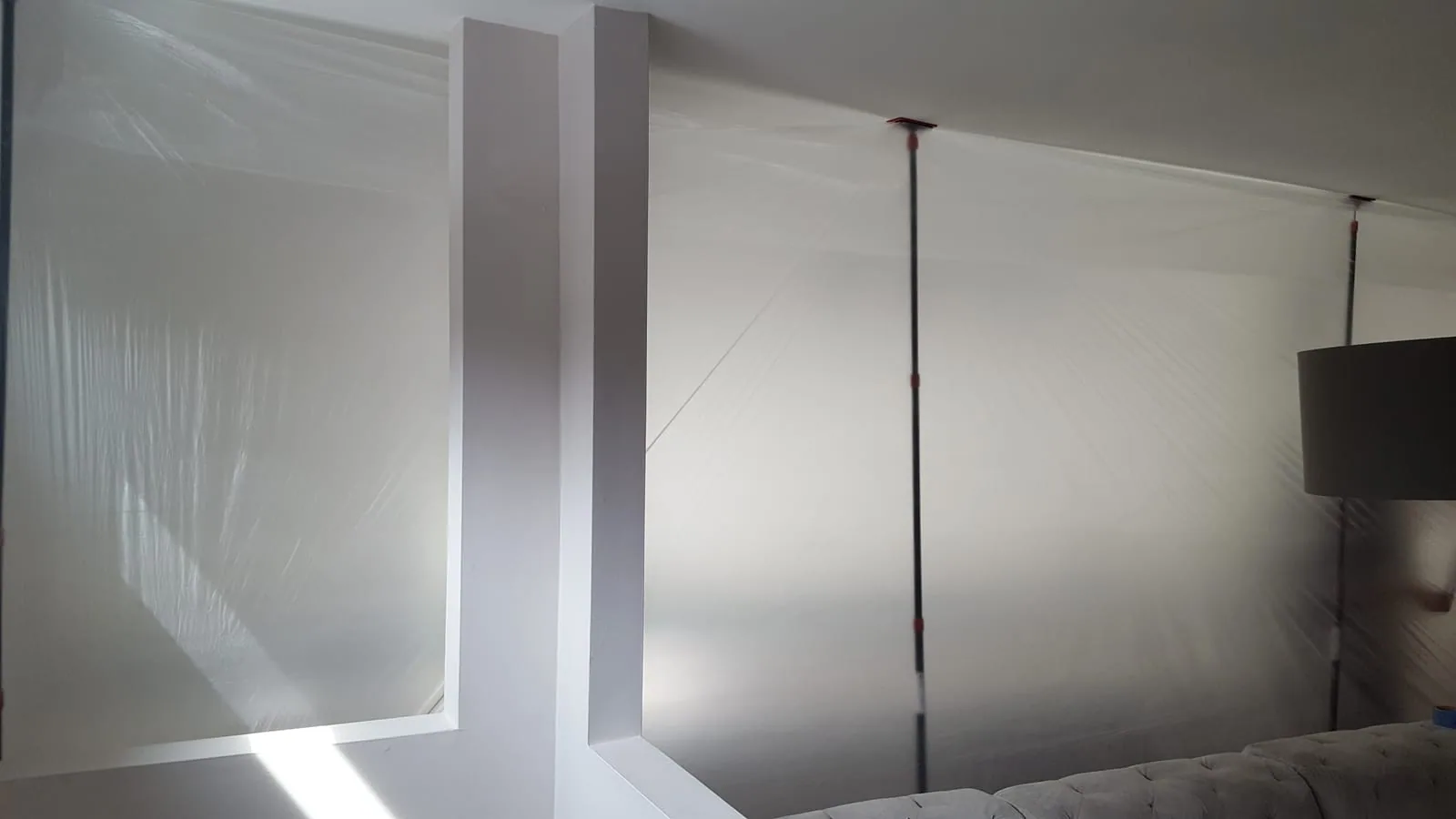
Professional mold removal includes containment, HEPA air filtration, safe removal, and post-treatment clearance testing — the only way to truly confirm your home is mold-free. Serving Stamford, Greenwich, Scarsdale, and every city in our coverage area.
Frequently Asked Questions
Is black mold dangerous?+
Yes, especially for infants, elderly, and immunocompromised individuals. Stachybotrys chartarum (true black mold) produces mycotoxins that can cause respiratory issues, headaches, and chronic fatigue. Any black mold should be remediated professionally.
Can bleach kill mold?+
Bleach kills mold on non-porous surfaces but doesn't reach the roots when mold has penetrated porous materials like drywall or wood. It also releases spores into the air during application. Professional remediation uses antimicrobial treatments designed for porous materials.
How do I prevent mildew from coming back?+
Control moisture: run bathroom fans during and after showers, fix leaks immediately, keep indoor humidity below 50%, and clean shower surfaces regularly. Mildew cannot grow without moisture.
What does mold smell like?+
Mold has a distinctive musty, earthy smell — similar to damp socks or a wet basement. If you smell it but don't see growth, the mold is likely hidden in walls, HVAC, or under flooring and needs professional investigation.
Related Services
Raf Volkov
Raf has personally supervised more than 100 restoration projects across Fairfield County, CT and Westchester County, NY since 2003. He holds IICRC Water Damage Restoration (2016), IICRC Fire & Smoke Restoration (2016), Goldmorr AIM Mycotoxin Remediation, EZ Breathe Installer, and Stego Vapor Barrier / ASTM E1643 certifications — attending manufacturer trainings every year. Every protocol on this site is built on standards he's trained and re-trained in.