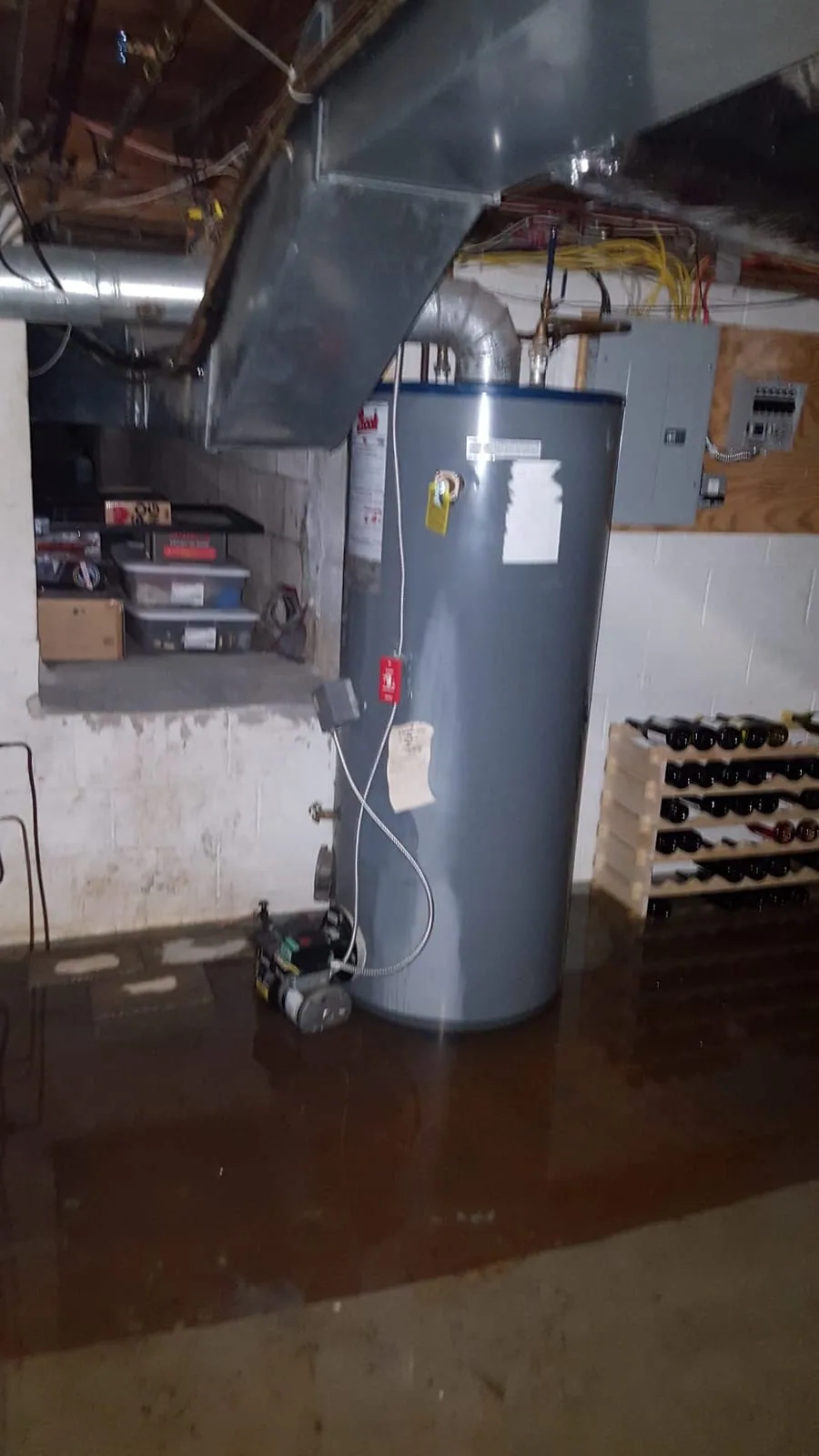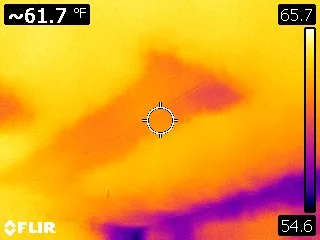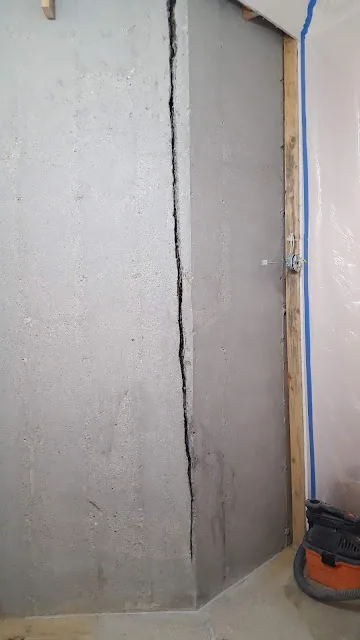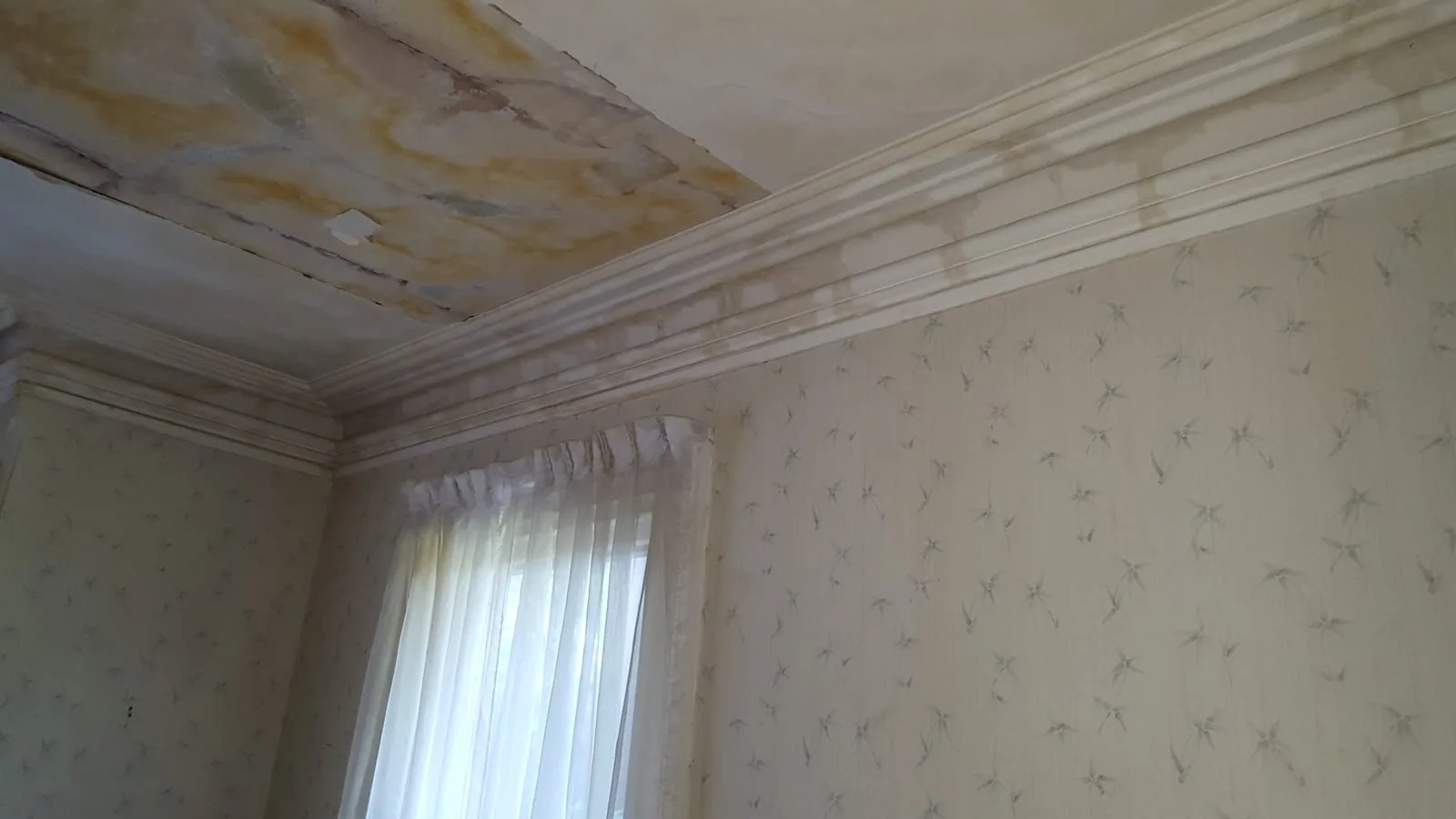

When a 911 Storm crew arrives at your flooded basement, burst pipe, or sewage backup, one of our first actions is determining the IICRC water category. This single classification drives the scope, timeline, cost, and health-safety protocols for the entire job. Here's what each category means and why it matters.
IICRC Classifications Explained
The Institute of Inspection, Cleaning and Restoration Certification (IICRC) publishes the S500 standard, which classifies water damage by contamination level. Category determination is not optional — it's how certified restoration companies scope every water job.
Category 1: Clean Water
Source examples:
- Broken copper or PEX supply lines
- Toilet tank water (from the tank, not the bowl)
- Rain water (from a direct sudden opening — burst roof, broken window)
- Appliance supply-line failures (dishwasher, washer, ice maker)
- Sink faucet leaks
Risk profile: Minimal — the water itself poses no health hazard. However, Category 1 water degrades to Category 2 within 48 hours of contact with building materials, and Category 3 within 72 hours. Time is critical.
Typical scope: Standard extraction, structural drying, material salvage, minimal demolition. Insurance: Typically covered under standard homeowners policies as sudden and accidental.
Category 2: Gray Water
Source examples:
- Dishwasher or washing machine discharge water
- Toilet overflow from the bowl (urine, no feces)
- Shower and bathtub drain water
- Aquarium or waterbed leaks
- HVAC condensate that has been sitting
- Category 1 water aged past 48 hours
Risk profile: Moderate — contains significant contamination including soaps, detergents, urine, dissolved chemicals. Requires enhanced sanitization. Skin contact should be avoided. Ingestion causes illness.
Typical scope: Extraction with PPE, full antimicrobial treatment, removal of porous materials, drywall removal to 2+ feet above water line, enhanced HEPA filtration.
Category 3: Black Water
Source examples:
- Sewage backup (feces, urine, pathogens)
- Toilet overflow from beyond the trap
- Rising floodwater from rivers, streams, or storm surge
- Standing water that has been sitting 72+ hours with microbial growth
- Storm water that has contacted contaminated surfaces
Risk profile: Severe — contains pathogens (E. coli, Salmonella, Hepatitis A, parasites), toxins, agricultural/industrial runoff. Category 3 water is a biohazard. Skin contact, inhalation of aerosols, and ingestion can cause serious illness.
Typical scope: Full PPE protocols, structural demolition of ALL affected porous materials, biohazard disposal, EPA-registered disinfectant treatment, post-treatment microbial testing, HVAC decontamination, extensive reconstruction. Insurance: Coverage varies — sewage backup typically requires a separate endorsement.
Why Timing Matters — Category Escalation
- Category 1 becomes Category 2 at roughly 48 hours of building-material contact
- Category 2 becomes Category 3 at roughly 72 hours, or immediately with microbial amplification
- Time-of-incident documentation (first responder reports, photos with timestamps) is critical for insurance — initial category drives initial coverage
This is why our 60-minute emergency dispatch makes financial sense: a Category 1 call responded to in the first 12 hours costs a fraction of the same source handled as a Category 2 situation a week later. Get a localized number for your scenario with our restoration cost calculator.
Special Category 3 Considerations
- Children and pets must be relocated during remediation
- HVAC must be shut down immediately to prevent aerosol spread
- Food contact surfaces (kitchens) require extensive recertification
- Well water may require testing if contamination reached supply
- Health department notification may be required for commercial properties
The Category Determination Process
When our crew arrives, we assess:
- 1Source of the water — where did it originate?
- 2Time since onset — has it aged?
- 3Surface contamination — what has the water contacted?
- 4Microbial indicators — odor, visible growth, color
We document our finding and use it to write the Xactimate scope for your insurance adjuster. This documentation is essential — category determines coverage.
For anything larger, aged, or questionably contaminated, call 911 Storm immediately. We serve every town in Fairfield County and Westchester County with 60-minute dispatch, 24/7.
Frequently Asked Questions
Does category change my insurance coverage?+
It affects scope and cost, which affect total claim payout. Category 1 from a covered source is almost always fully covered. Category 3 from sewage backup typically requires a separate endorsement; check your policy.
Can Category 2 become Category 3 on its own?+
Yes — any water category can escalate when water sits untreated. Category 2 water aged 72+ hours is reclassified as Category 3. This is why immediate response matters so much.
Who determines the category?+
A certified IICRC technician — this is a standardized assessment based on source, time, and contamination. Reputable restoration companies document category on every job.
Why is Category 3 so much more expensive?+
Because it requires full demolition of porous materials (drywall, carpet, padding, subfloor), biohazard disposal, EPA-registered disinfectants, and often structural restoration. The scope can be 3-5x larger than an equivalent Category 1 event.
Related Services
Raf Volkov
Raf has personally supervised more than 100 restoration projects across Fairfield County, CT and Westchester County, NY since 2003. He holds IICRC Water Damage Restoration (2016), IICRC Fire & Smoke Restoration (2016), Goldmorr AIM Mycotoxin Remediation, EZ Breathe Installer, and Stego Vapor Barrier / ASTM E1643 certifications — attending manufacturer trainings every year. Every protocol on this site is built on standards he's trained and re-trained in.