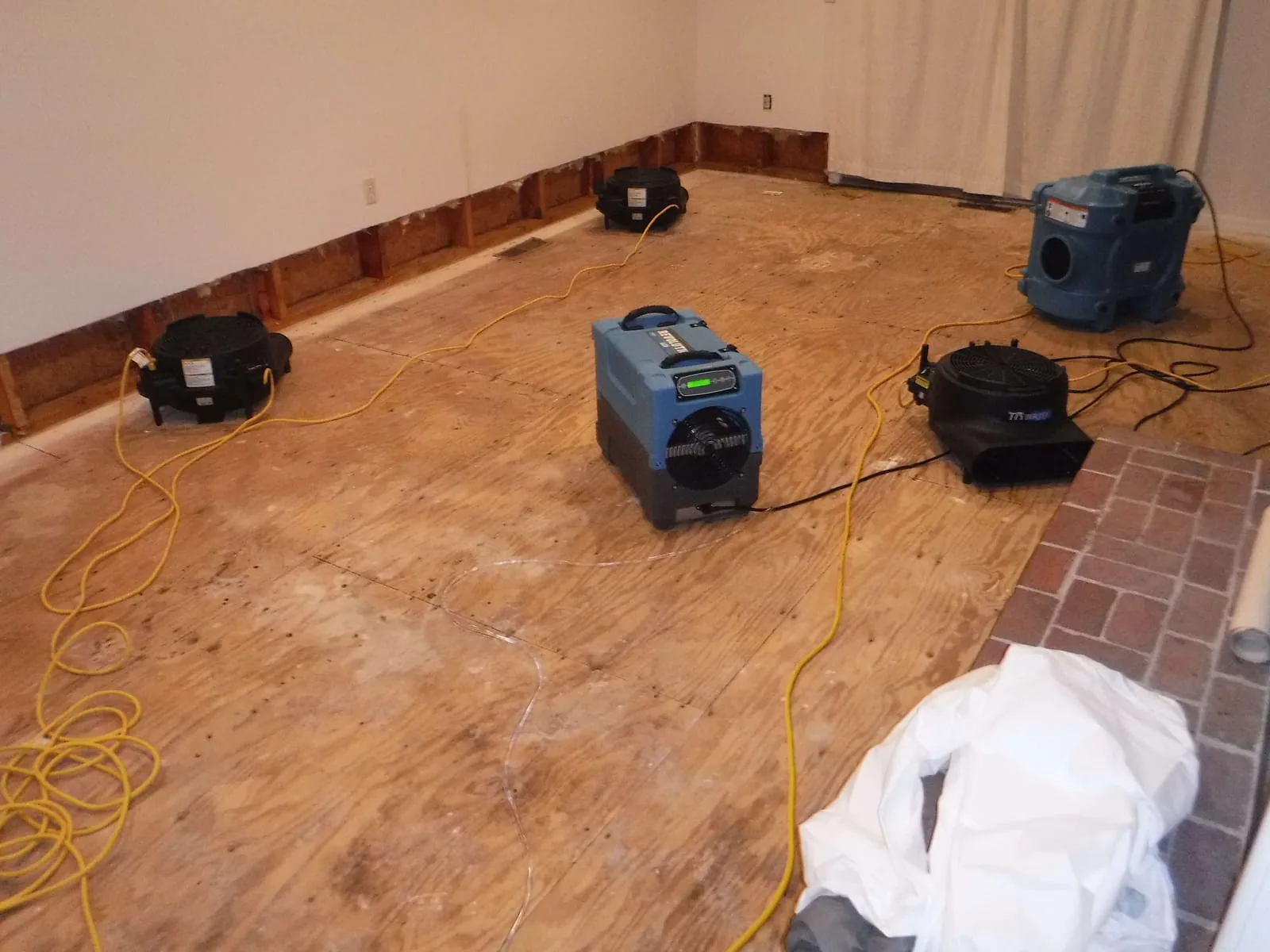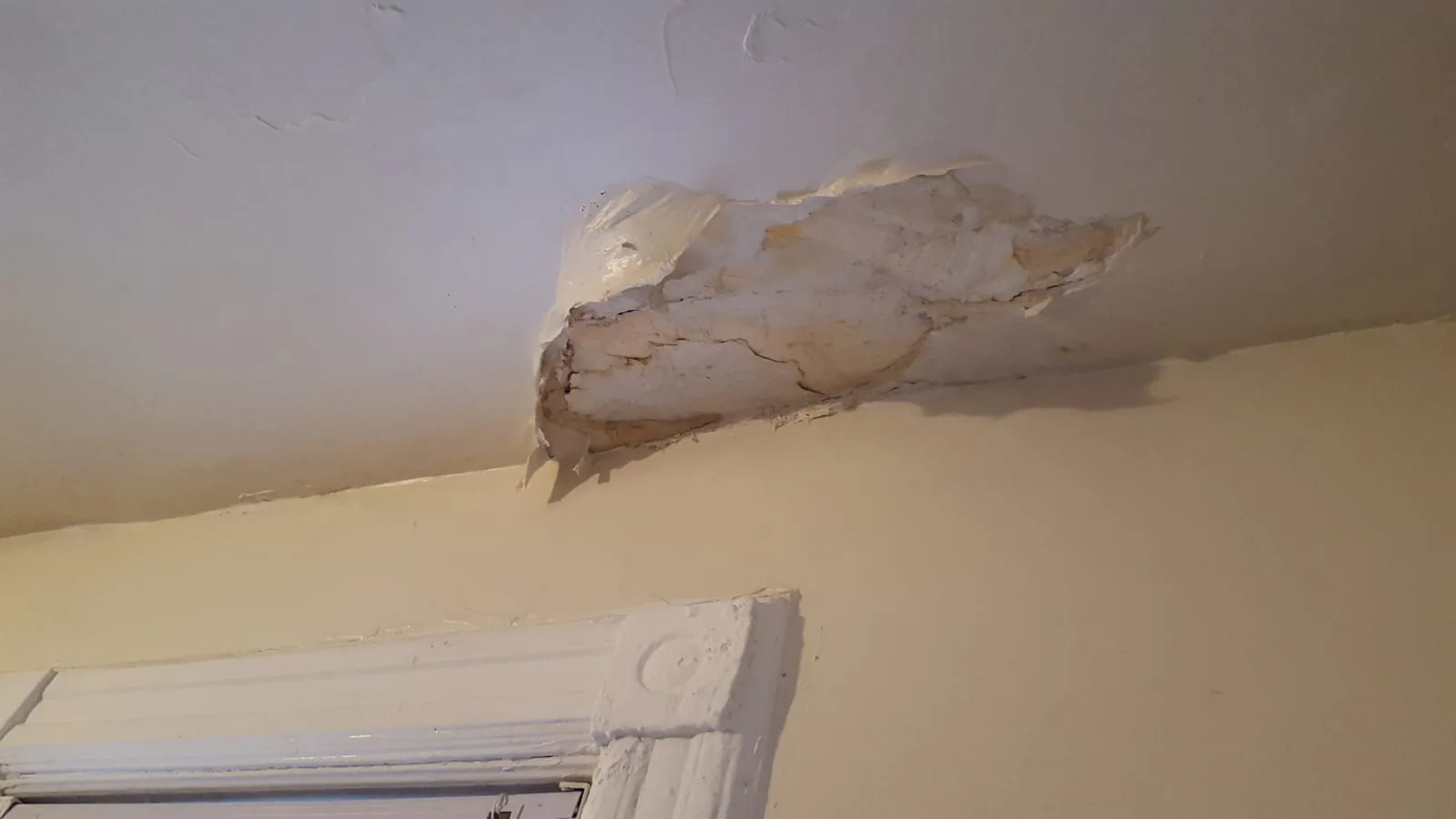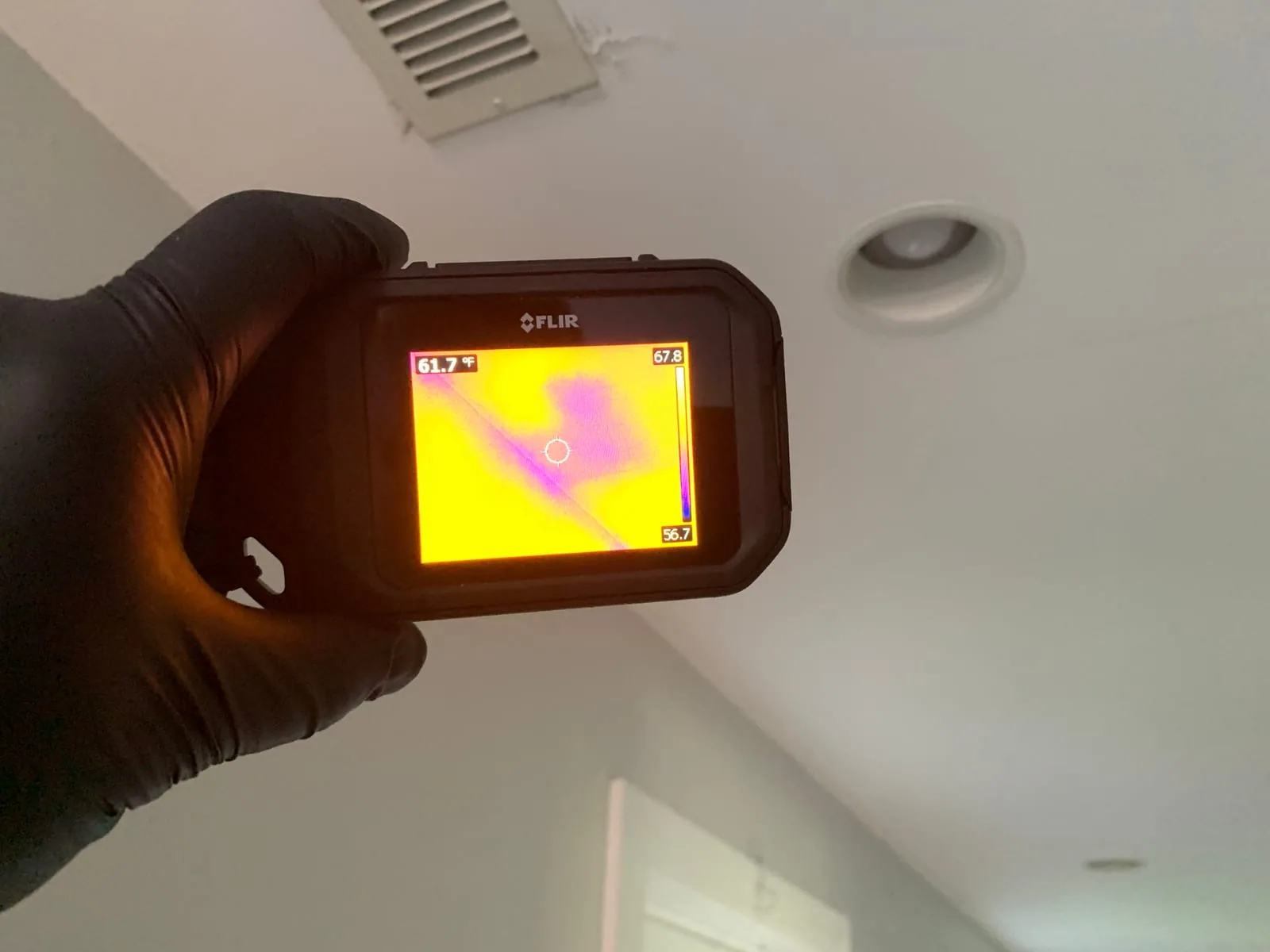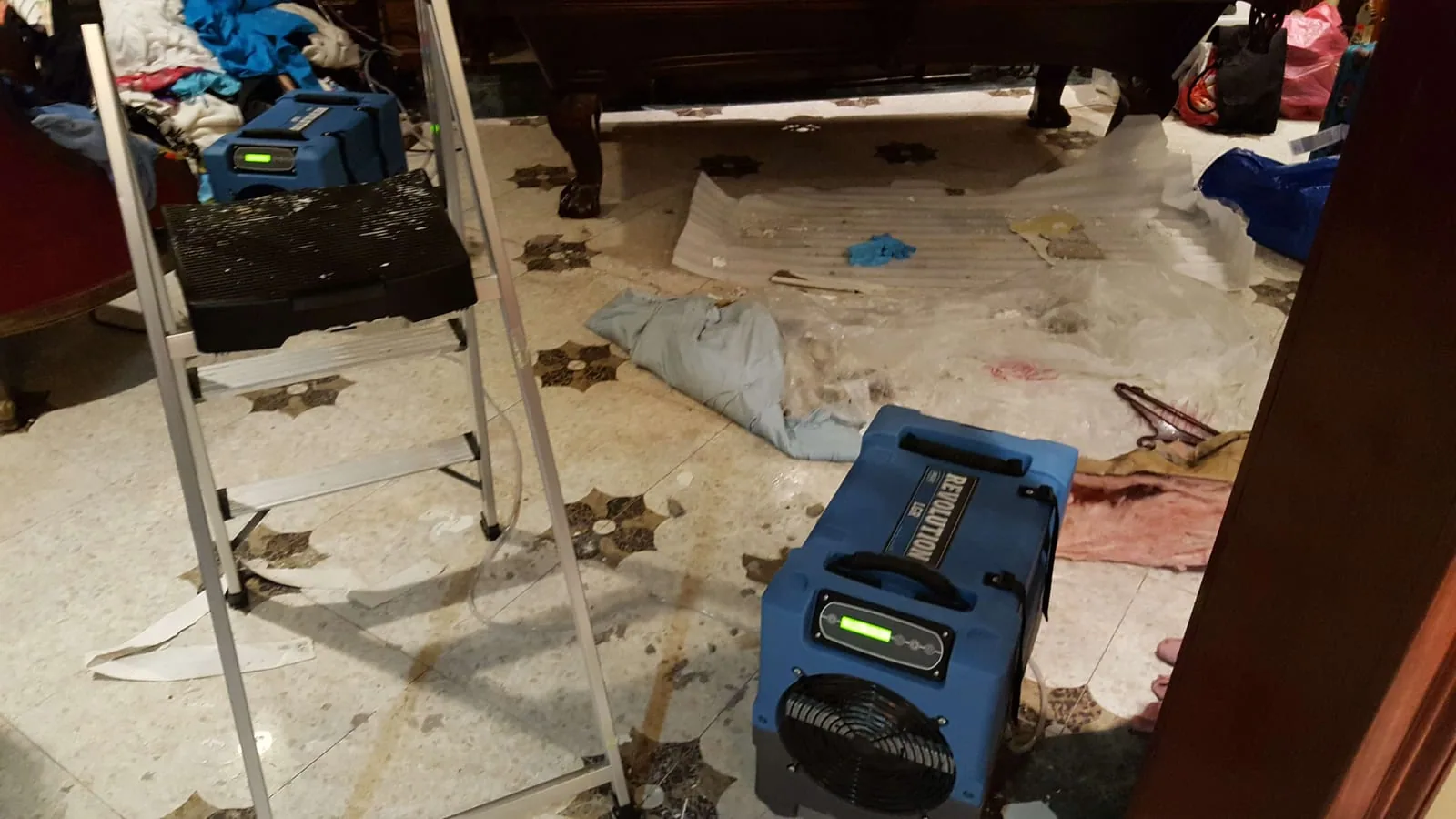

A severe storm can leave your property in chaos. The actions you take in the first few hours are critical to minimizing damage and protecting your insurance claim. 911 Storm's storm damage restoration team has helped hundreds of Fairfield and Westchester homeowners recover from nor'easters, hurricanes, and summer tornado events.
Step 1: Ensure Safety First
Before entering your home, check for structural damage, downed power lines, and gas leaks. Do not enter if you see structural collapse or smell gas. Call 911 first. Wait for fire department or utility crew clearance before approaching any suspected hazard.
Step 2: Document Everything
Before any cleanup begins, photograph and video every inch of the damage. This documentation is essential for your insurance claim. Be thorough — capture wide shots and close-ups of all affected areas, serial numbers of damaged appliances, and the exterior of the home from multiple angles.
Step 3: Prevent Further Damage
You're required by most insurance policies to prevent additional damage. This means:
- Covering roof holes with tarps
- Boarding up broken windows and doors
- Moving valuables away from water
- Repairing roof leaks immediately to prevent interior water damage
Step 4: Call Your Insurance Company
Report the claim as soon as possible. Note the claim number and the name of your adjuster. Keep records of all communications — including time-stamped emails and a phone log.
Step 5: Call a Restoration Professional
Restoration companies like 911 Storm can deploy emergency teams immediately. We handle:
- Emergency tarping and board-up
- Water extraction from rain intrusion
- Debris removal
- Tornado damage and hurricane damage restoration
- Full structural restoration
Water from storm intrusion can lead to mold within 24–48 hours — which is why our mold remediation teams often work in parallel with storm response.
What NOT to Do
- Don't throw away damaged items before your adjuster sees them
- Don't attempt structural repairs without professional assessment
- Don't use electrical equipment in wet areas
- Don't climb onto a damaged roof — let professionals tarp it
- Don't sign any Assignment of Benefits document without reading it carefully
Our crews serve every city in Fairfield County and Westchester County — 24/7 emergency line for every storm event.
Frequently Asked Questions
Should I start cleaning up before the insurance adjuster arrives?+
Not the damaged items themselves — the adjuster needs to see them. However, you ARE required to prevent FURTHER damage: tarping, water extraction, and board-up. Document everything you do.
How long do I have to file a storm damage claim?+
Check your specific policy — typical windows are 60–90 days, but some carriers require notification within 48 hours for named storms. Call as soon as it's safe; delays can jeopardize coverage.
Is storm damage always covered by insurance?+
Wind damage and sudden water intrusion from a storm opening are typically covered by standard homeowners insurance. FLOODING from rising water usually requires a separate NFIP flood policy. Named-storm deductibles apply in some regions.
What if my roof is leaking during an active storm?+
Position buckets and move belongings away from drips. Do NOT climb onto the roof during the storm. Call 911 Storm immediately — we can pre-position crews for emergency tarping the moment conditions allow.
Related Services
Raf Volkov
Raf has personally supervised more than 100 restoration projects across Fairfield County, CT and Westchester County, NY since 2003. He holds IICRC Water Damage Restoration (2016), IICRC Fire & Smoke Restoration (2016), Goldmorr AIM Mycotoxin Remediation, EZ Breathe Installer, and Stego Vapor Barrier / ASTM E1643 certifications — attending manufacturer trainings every year. Every protocol on this site is built on standards he's trained and re-trained in.