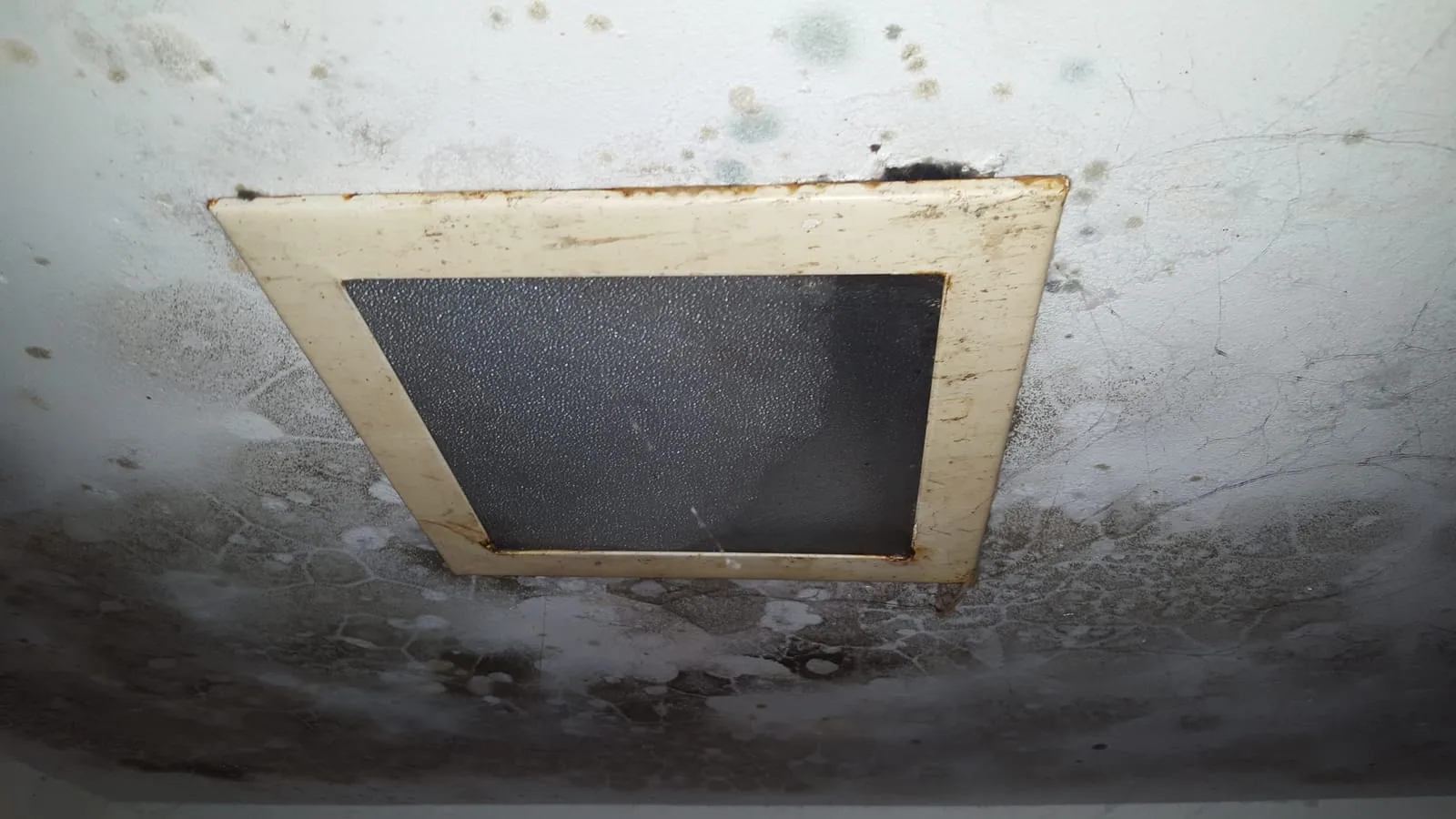

Most homeowners watching a mold remediation crew set up containment ask the same question: "Is all this plastic really necessary?" The honest answer: yes, and here's why skipping it costs more than installing it.
What Containment Looks Like
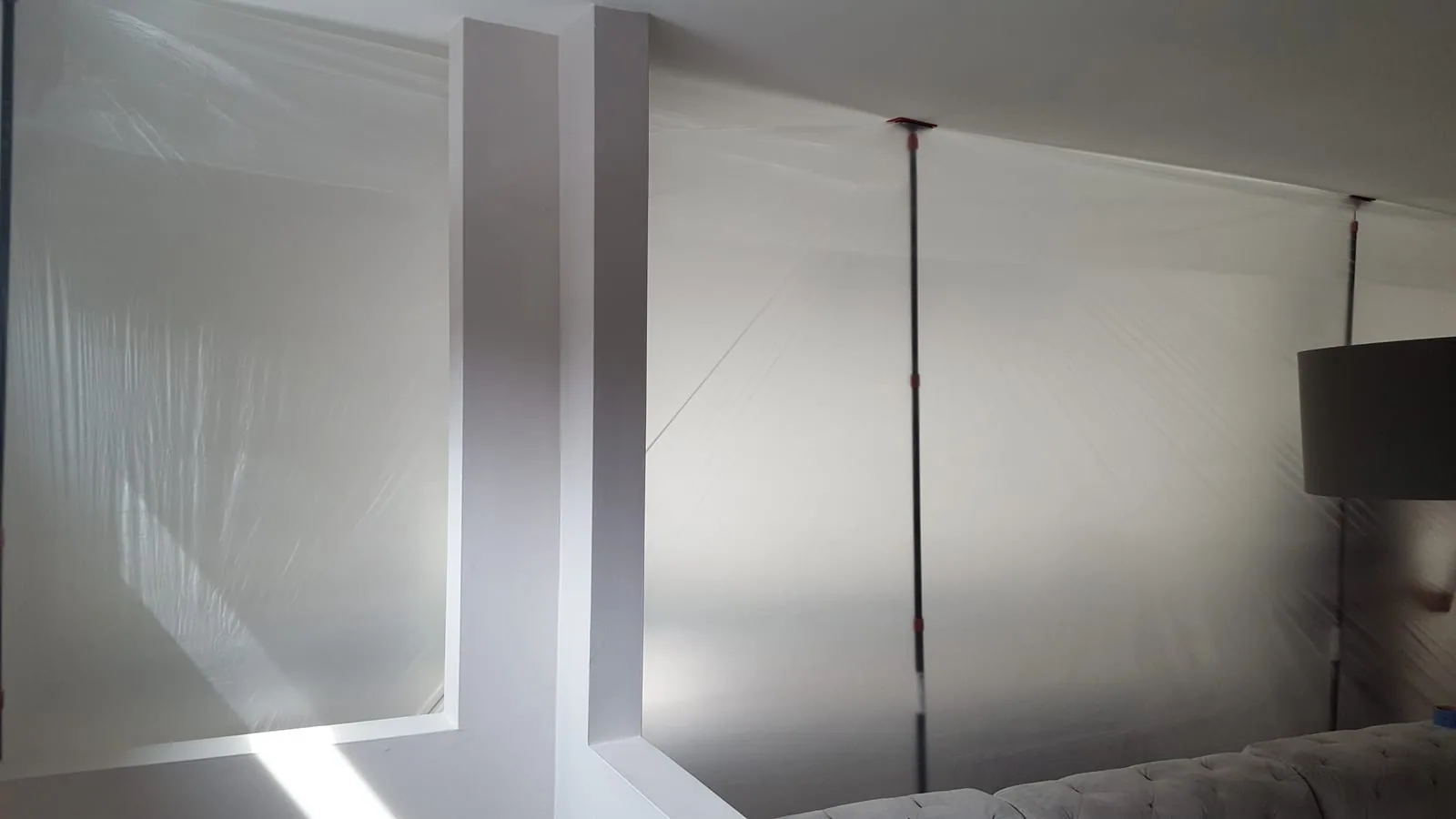
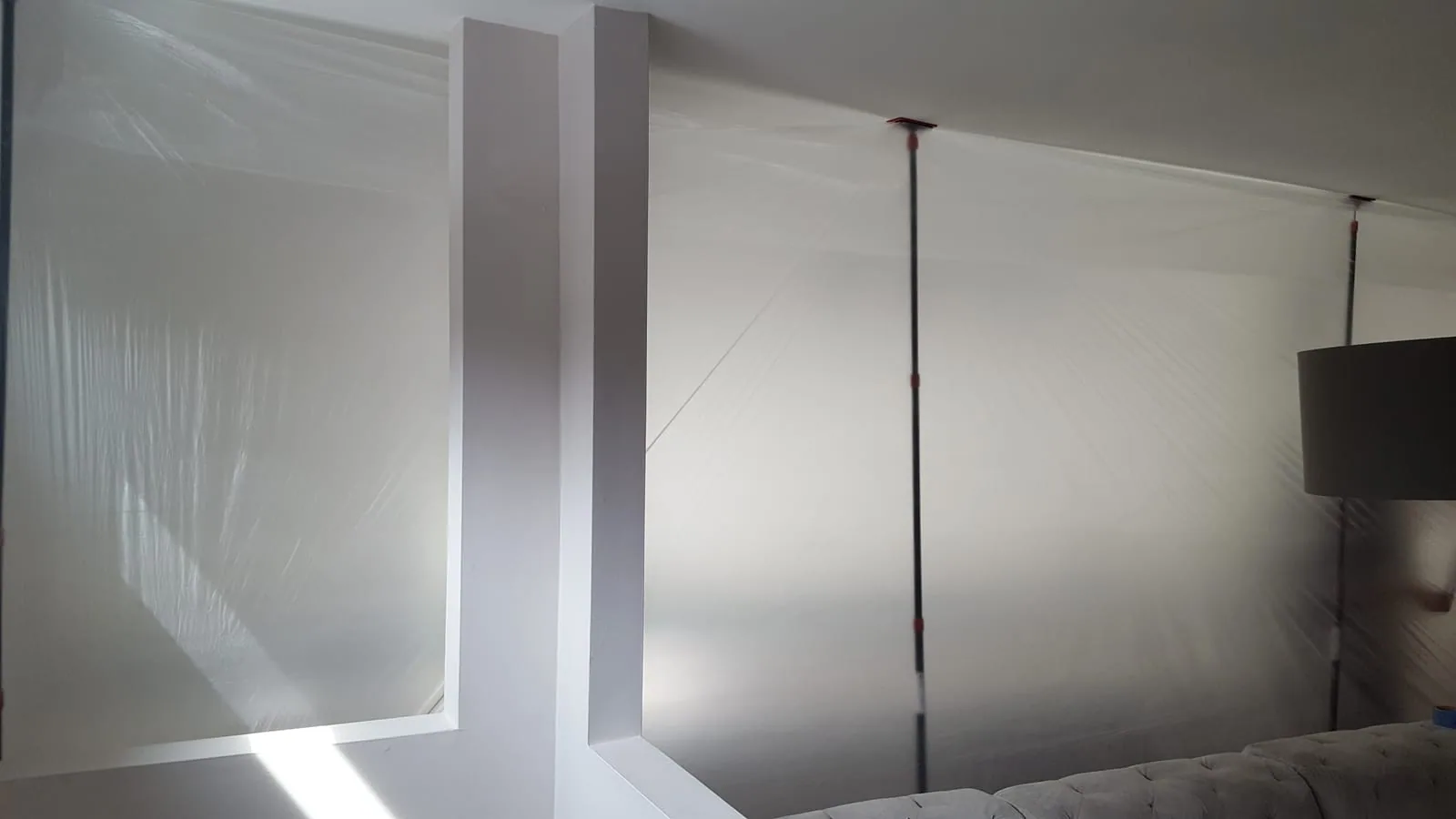
Professional containment per IICRC S520 includes:
- 6-mil poly sheeting walls separating the work area from the rest of the home
- Zippered access doors (single or double airlock for larger jobs)
- Negative air pressure maintained by HEPA air scrubbers exhausting outside the containment
- Sealed HVAC supplies and returns within the work zone
- Plastic protection of contents (if not removed entirely)
- Decontamination chamber for crew exit
It's not theater — every component prevents a specific contamination route.
Why Disturbing Mold Spreads It
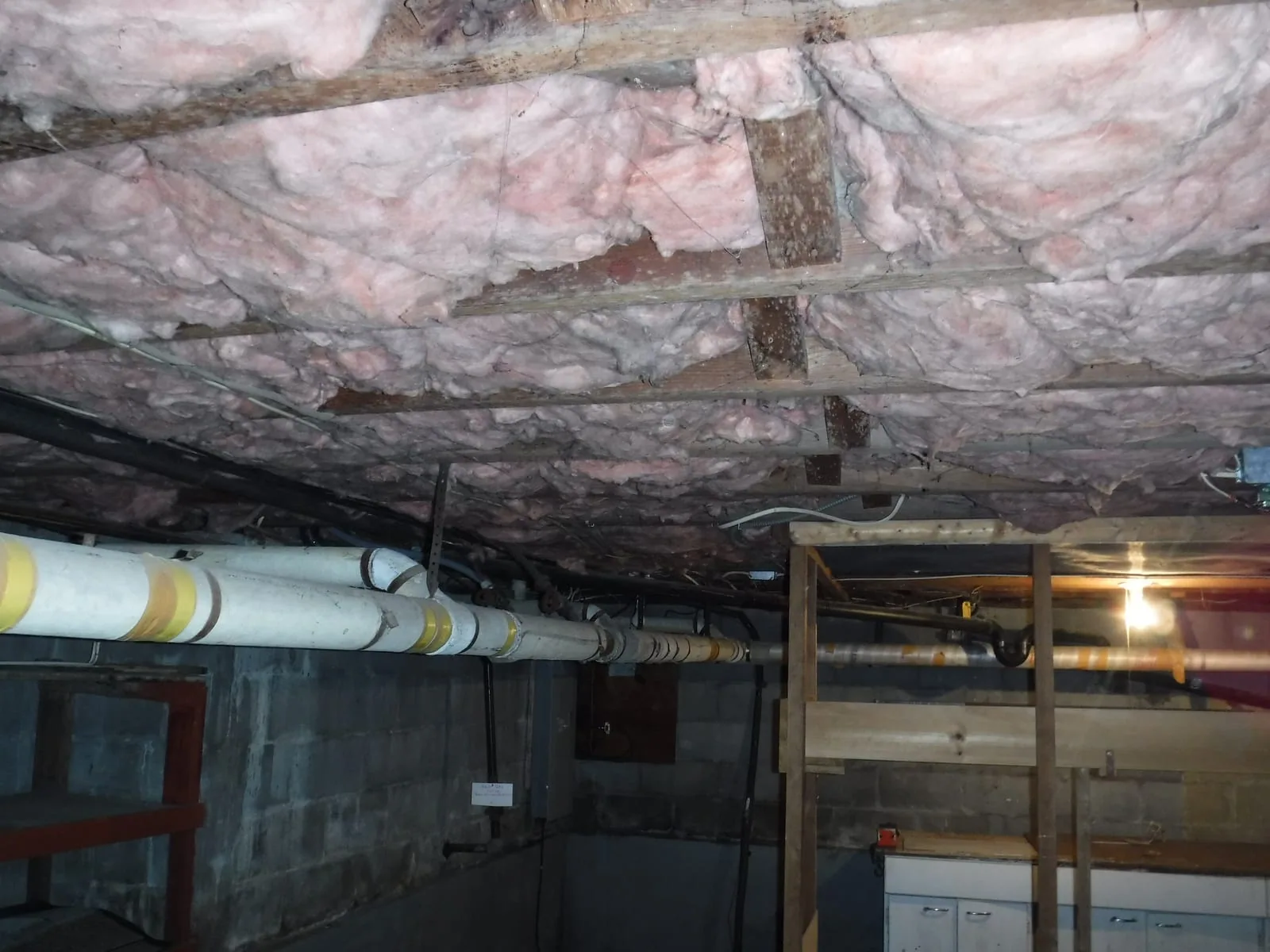
Mold reproduces by releasing microscopic spores into the air. A single square foot of mature Stachybotrys colony can release millions of spores per minute when disturbed. Cutting drywall, scraping framing, or even walking near a colony can launch spores into the surrounding air.
Without containment, those spores ride air currents into your HVAC system, settle on furniture, infiltrate clothing, and colonize new wet spots throughout your home.
How Negative Air Pressure Works
HEPA air scrubbers inside the containment pull air at a higher rate than fresh air enters — creating slightly lower pressure inside than outside. The result: any air leakage flows IN through small gaps in the containment, not OUT.
Air scrubbed inside the containment is filtered through HEPA media (capturing 99.97% of particles ≥0.3 microns) and exhausted outside the building. Spores can't escape. The standard for proper containment is -5 Pascals or greater pressure differential, verified with a manometer.
Protecting Contents and Furniture
Where contents can't be removed, we wrap furniture in plastic sheeting and tape seams. This prevents spore deposition during work and makes post-remediation cleaning straightforward.
For high-value items, soft goods, or anything porous, we typically pack out to off-site cleaning rather than attempting in-place protection.
What Happens Without Proper Containment
Without IICRC S520 containment, three things go wrong:
- 1Spores spread to adjacent rooms, requiring expansion of the remediation scope
- 2HVAC system contaminates, requiring full duct cleaning and possibly coil replacement
- 3Re-occupation triggers symptoms in residents because spore counts remain elevated
We've inherited dozens of jobs from other companies who skipped containment. The remediation we then have to do is typically 3-5x larger than the original would have been if done correctly.
Clearance Testing After Containment Removal
Containment doesn't come down until clearance testing passes. We pull air samples from inside the contained area and from a non-contaminated control area. Spore counts must be at or below outdoor baseline (and the control area) before containment is removed.
If clearance fails, we re-clean and re-test. This is why proper mold remediation takes the time it does — and why it works permanently.
Proper containment is what separates real mold remediation from drywall replacement with extra steps. Every 911 Storm mold job follows IICRC S520 containment standards by default. Call us for a free assessment.
Frequently Asked Questions
Can I just clean small mold patches without containment?+
Patches under 10 square feet on non-porous surfaces (tile, glass, sealed wood) can be cleaned without full containment if you wear PPE and use proper methods. Anything larger or on porous materials requires professional containment.
How long does containment setup take?+
Typically 4-8 hours depending on the size of the area. We usually set up the day before remediation begins so work can start fresh on day 1.
Do I need to leave during containment work?+
Not always — proper containment isolates the work area. For large jobs or HVAC contamination, we may recommend temporary relocation. Always discussed during the assessment.
Is containment really required by code?+
Code varies by jurisdiction. IICRC S520 is the industry standard insurance carriers and most adjusters require. Skipping it usually voids insurance coverage for re-contamination.
Related Services
Raf Volkov
Raf has personally supervised more than 100 restoration projects across Fairfield County, CT and Westchester County, NY since 2003. He holds IICRC Water Damage Restoration (2016), IICRC Fire & Smoke Restoration (2016), Goldmorr AIM Mycotoxin Remediation, EZ Breathe Installer, and Stego Vapor Barrier / ASTM E1643 certifications — attending manufacturer trainings every year. Every protocol on this site is built on standards he's trained and re-trained in.