
"Black mold" is one of the most feared terms in home ownership — and for good reason. The species most commonly referred to as black mold, Stachybotrys chartarum, produces mycotoxins that can cause serious respiratory and neurological symptoms, especially in children, seniors, and people with existing conditions. If you suspect black mold in your Fairfield or Westchester County home, professional mold remediation is the only safe path forward.
What Does Black Mold Look Like?
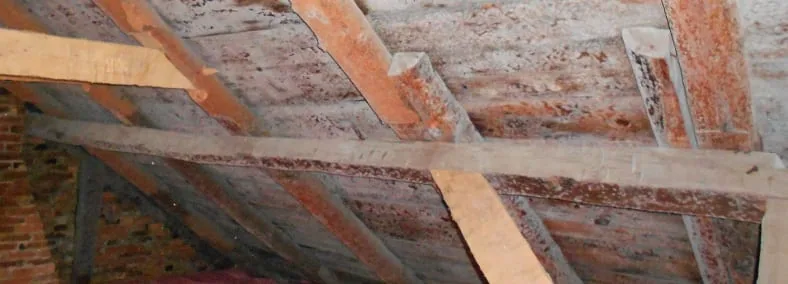
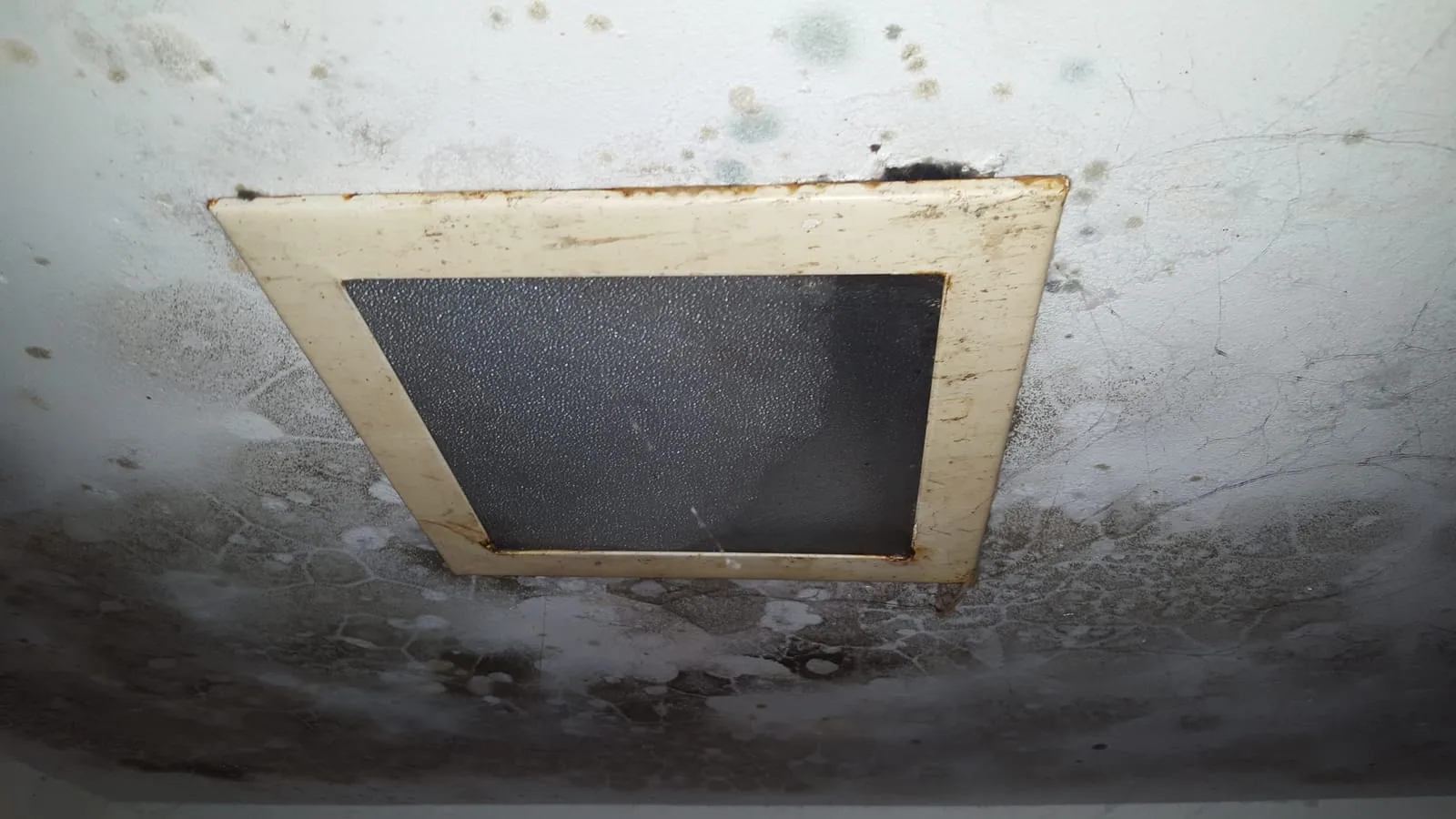
Stachybotrys is typically dark green to black, slimy or greasy when wet, and powdery or fuzzy when dry. It often grows in irregular patches — not neat circles — and tends to appear in areas with sustained moisture, especially drywall that has absorbed water for 7+ days.
Where Black Mold Grows
- Water-damaged drywall — the most common substrate
- Wood framing and subflooring — especially in basements and crawlspaces
- Wallpaper backing and insulation — often hidden from view
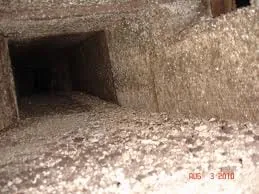
- HVAC systems — ducts, coils, and drain pans
- Grout, caulk, and cellulose-rich materials that stay damp
Health Symptoms Associated With Black Mold Exposure
Reported symptoms from prolonged exposure include:
- Chronic cough and sinus congestion
- Eye, nose, and throat irritation
- Headaches and difficulty concentrating
- Fatigue and chronic tiredness
- Skin rashes and respiratory distress
- Worsening asthma and allergies
Why DIY Is Dangerous With Black Mold
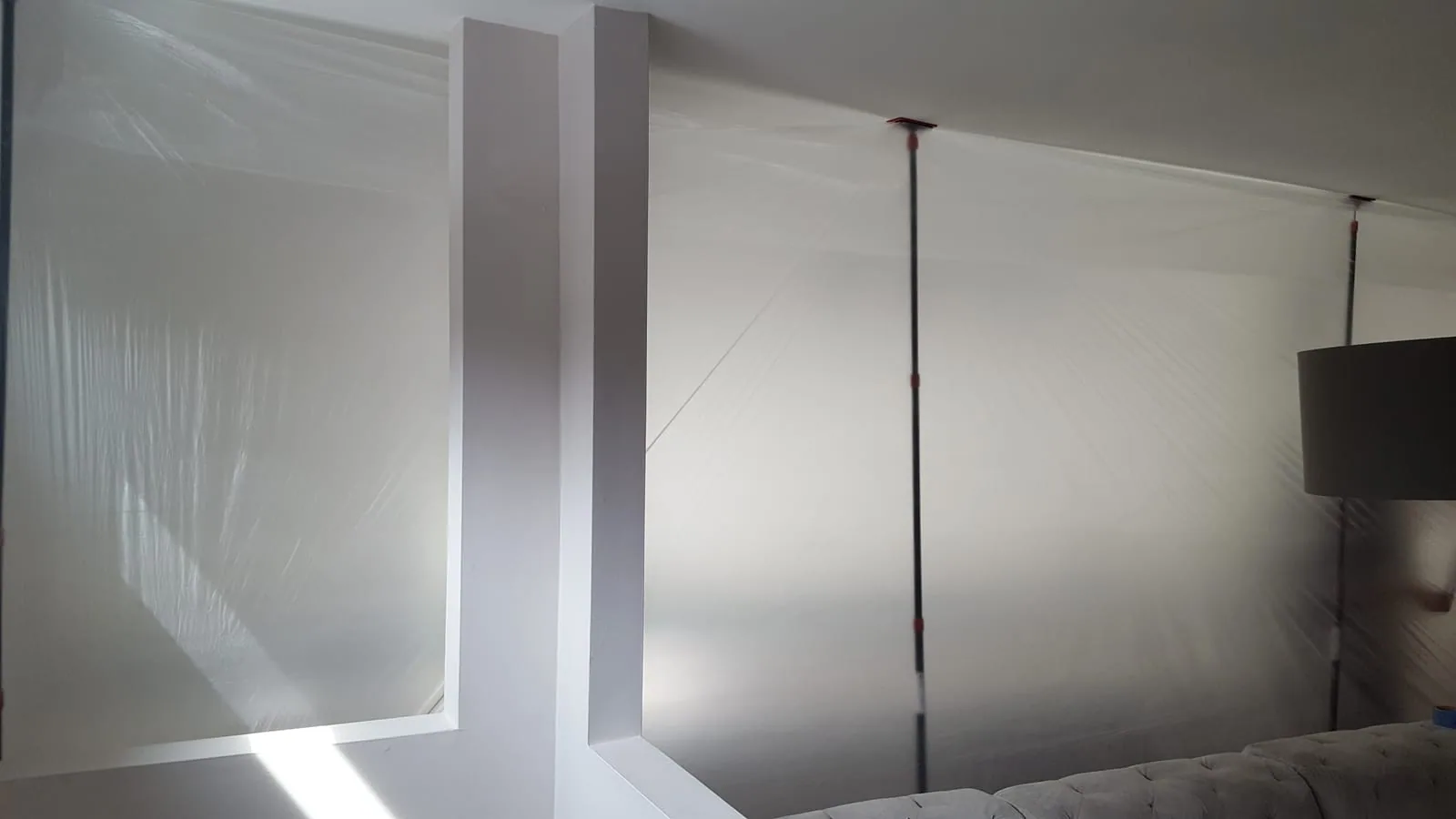
Disturbing a Stachybotrys colony without proper containment releases millions of spores into your indoor air — spreading contamination throughout your home. Professional mold removal uses negative air pressure containment, HEPA air scrubbers, and N-95 or better respirators — none of which are standard DIY equipment.
Testing Before and After Remediation
Any serious mold work should include air quality testing to quantify airborne spore counts, and surface mold testing to identify species. Post-remediation clearance testing confirms the space is safe for reoccupation — without it, you have no proof the job worked.
What to Do Right Now If You Suspect Black Mold
- 1Don't disturb the growth — no scrubbing, sanding, or scraping
- 2Turn off HVAC to prevent spore spread
- 3Keep the area isolated
- 4Call a certified remediator immediately
911 Storm's IICRC S520–certified crews remediate black mold across every town in our service area — from Westport and Fairfield to Rye and Mamaroneck. Free on-site assessment, direct insurance billing.
Frequently Asked Questions
Can I test for black mold myself?+
Drugstore surface test kits can confirm presence of mold but don't reliably identify species or quantify airborne spore counts. Professional lab-analyzed air and surface samples are the only trustworthy testing.
Is all black-colored mold toxic?+
No. Many mold species appear black but aren't Stachybotrys. However, any mold colony larger than 10 sq ft should be professionally remediated regardless of species, because all molds release allergens and particulates.
Does insurance cover black mold remediation?+
It depends on the source. Mold arising from a covered water loss (burst pipe, appliance failure) is typically covered. Mold from gradual seepage or unresolved humidity usually isn't. Mold-specific endorsements have coverage caps ($5K-$50K typical).
How fast can black mold colonize a home?+
Visible growth typically takes 7–14 days after sustained moisture on cellulose material. But spores germinate within 24–48 hours, so early intervention after water events prevents it from establishing.
Related Services
Raf Volkov
Raf has personally supervised more than 100 restoration projects across Fairfield County, CT and Westchester County, NY since 2003. He holds IICRC Water Damage Restoration (2016), IICRC Fire & Smoke Restoration (2016), Goldmorr AIM Mycotoxin Remediation, EZ Breathe Installer, and Stego Vapor Barrier / ASTM E1643 certifications — attending manufacturer trainings every year. Every protocol on this site is built on standards he's trained and re-trained in.