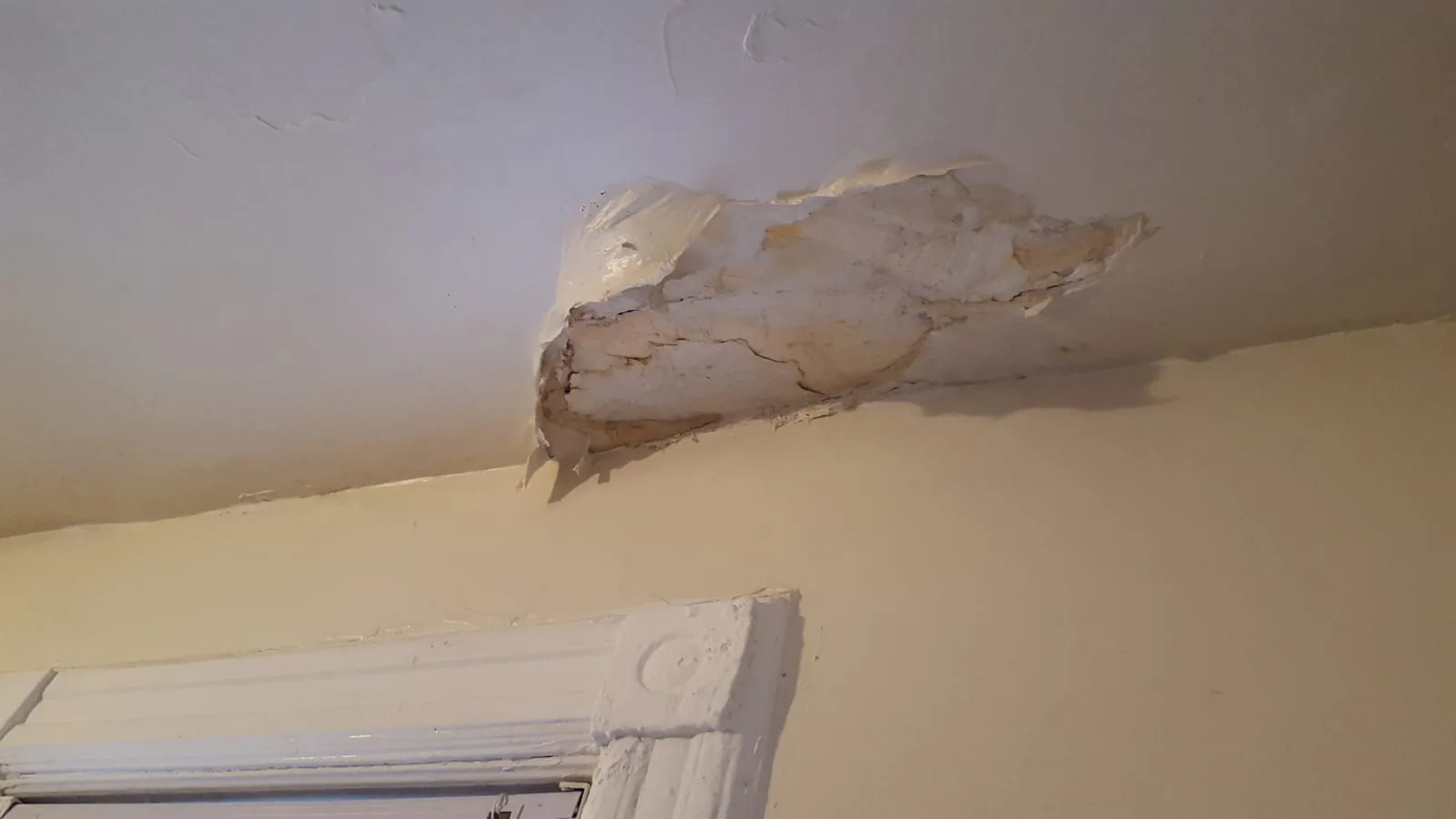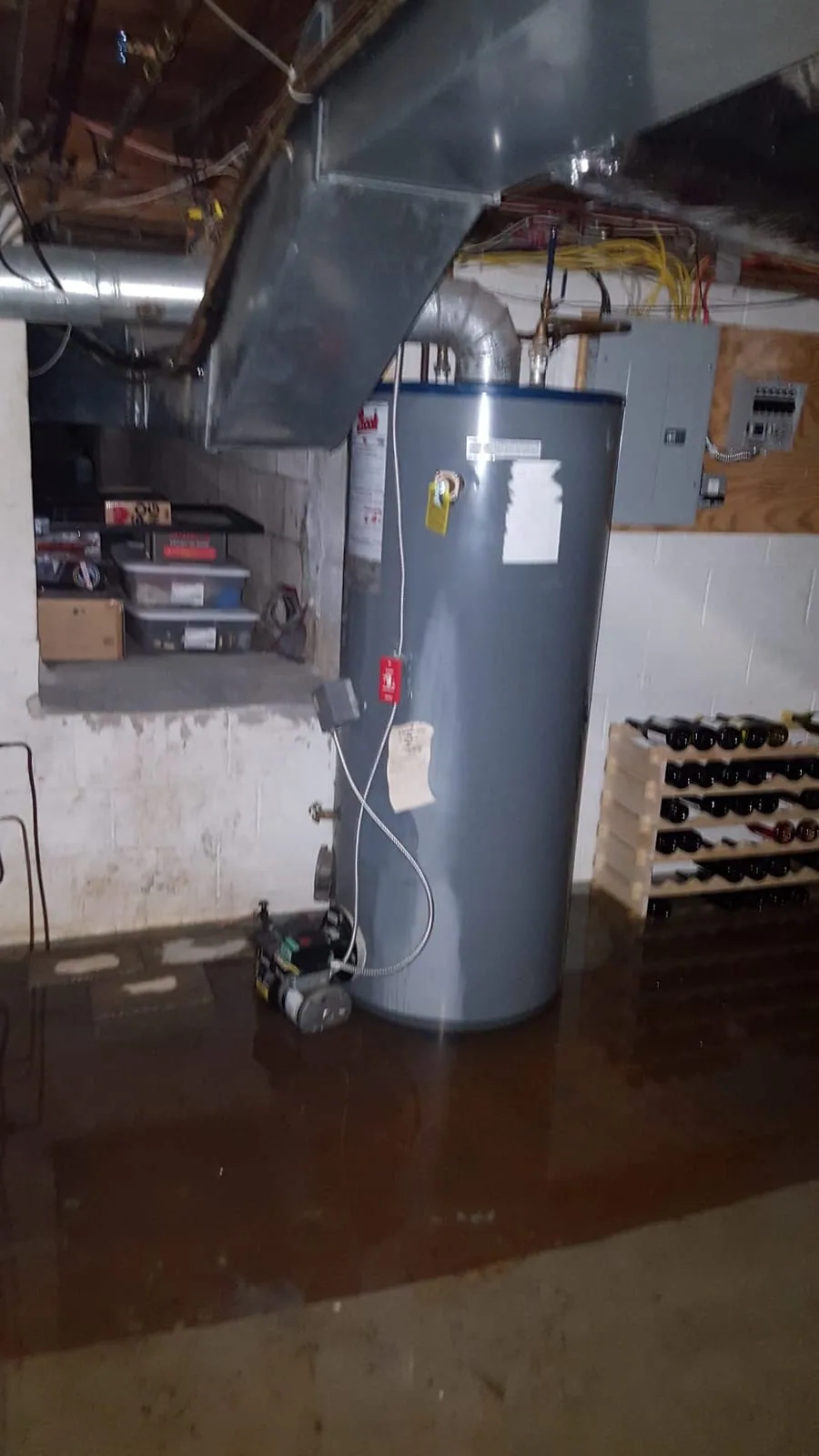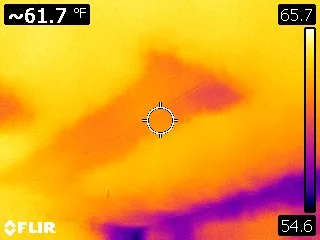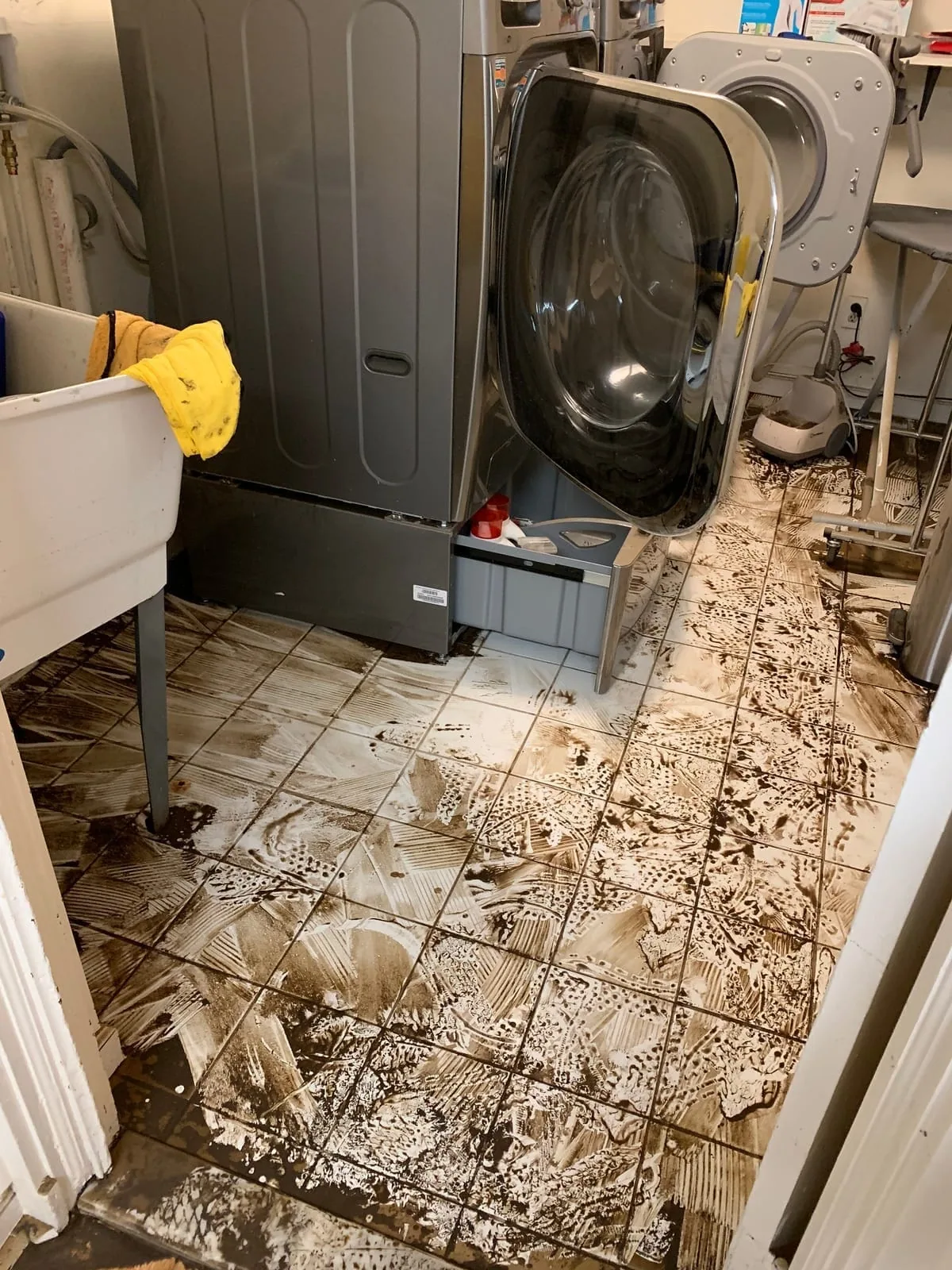

A coastal flood in Fairfield County or Westchester County is not just a wet basement. Homes near Long Island Sound, tidal rivers, and harbors face salt water, wind-driven rain, elevated groundwater, sewage cross-contamination, and insurance questions that do not apply to a simple pipe burst. Our storm damage restoration and water damage restoration crews see this pattern from Old Greenwich and Rowayton to Rye and Mamaroneck.
The Coastal Water Problem Is Salt
Clean water from a broken supply line can often be extracted, dried, and monitored. Salt water is harsher. It leaves chloride residue inside porous materials, corrodes metal fasteners and mechanical systems, and can keep materials hygroscopic - meaning they pull moisture back from the air after the visible water is gone.
That is why coastal projects in places like Old Greenwich Waterfront, Milton Point in Rye, and Saugatuck in Westport often require more selective demolition than an inland flooded basement. Drying alone is not always enough.
Storm Surge, River Flooding, and Wind-Driven Rain Are Different Claims
Documentation matters because the water source affects coverage. Storm surge and rising water usually point toward flood insurance. Wind-driven rain through a damaged roof or window may belong under the homeowner policy. River flooding from the Mamaroneck River, Saugatuck River, Blind Brook, or Five Mile River can involve contaminated water and flood exclusions.
A good restoration scope separates the sources: roof opening, window intrusion, ground seepage, drain backup, and exterior floodwater. We photograph each source, map moisture, and write the loss in terms an adjuster can actually use.
Where Coastal Risk Is Highest Locally
The highest-risk local patterns are predictable:
- Sound-facing neighborhoods: Belle Haven, Tokeneke, Shippan Point, Rowayton, Milton Point, Larchmont Manor
- River-mouth districts: Cos Cob Harbor, Saugatuck, Mamaroneck village, Rye downtown near Blind Brook
- Low finished basements: Old Greenwich, Westport, Darien, Rye, Larchmont, Mamaroneck
- Older homes with plaster and fieldstone foundations: Southport, Cos Cob, Larchmont, Bronxville-adjacent historic stock
This is why our city pages now include local risk profiles, neighborhood references, and source links instead of generic service copy.
What to Do in the First 24 Hours
After coastal water enters the home:
- 1Stay out of standing water if electrical systems may be affected
- 2Photograph exterior water lines before cleanup starts
- 3Call the carrier and ask whether flood, wind, sewer, or homeowner coverage applies
- 4Start emergency water removal as soon as access is safe
- 5Remove wet porous materials that contacted salt or contaminated water
- 6Begin dehumidification and air movement quickly to reduce mold growth
Waiting even one day can turn a manageable mitigation job into a larger mold and reconstruction project.
How to Build a More Resilient Rebuild
After mitigation, consider flood-aware rebuild choices: closed-cell insulation in limited areas, flood vents where appropriate, tile or removable flooring in ground-level spaces, raised mechanicals, backwater valves, better sump redundancy, and moisture-tolerant wall assemblies below expected water lines.
For homeowners in Westport, Darien, Larchmont, and Pelham Manor, those decisions often matter more than the cosmetic finishes.
Coastal flooding is a source-control, contamination, drying, and insurance problem all at once. If your home is near Long Island Sound, a river mouth, or a low harbor district, call early. We respond 24/7 across coastal Fairfield and Westchester with water extraction, storm mitigation, mold prevention, and carrier-ready documentation.
Frequently Asked Questions
Does homeowner insurance cover coastal flooding?+
Usually not if the water rose from outside and entered at ground level. That is typically flood insurance territory. Wind-driven rain through a damaged roof or window may be handled differently.
Why is salt water worse than normal water damage?+
Salt leaves corrosive residue and can keep materials moisture-attracting after drying. Porous materials that contacted salt water often need removal rather than simple drying.
How fast does mold start after coastal flooding?+
Mold can begin within 24-48 hours, especially in humid coastal homes where basements and crawlspaces dry slowly.
Do you serve coastal neighborhoods like Old Greenwich, Rowayton, and Rye?+
Yes. Those communities are within our 60-minute response area, and several have deeper neighborhood guides linked from our area pages.
Related Services
Raf Volkov
Raf has personally supervised more than 100 restoration projects across Fairfield County, CT and Westchester County, NY since 2003. He holds IICRC Water Damage Restoration (2016), IICRC Fire & Smoke Restoration (2016), Goldmorr AIM Mycotoxin Remediation, EZ Breathe Installer, and Stego Vapor Barrier / ASTM E1643 certifications — attending manufacturer trainings every year. Every protocol on this site is built on standards he's trained and re-trained in.