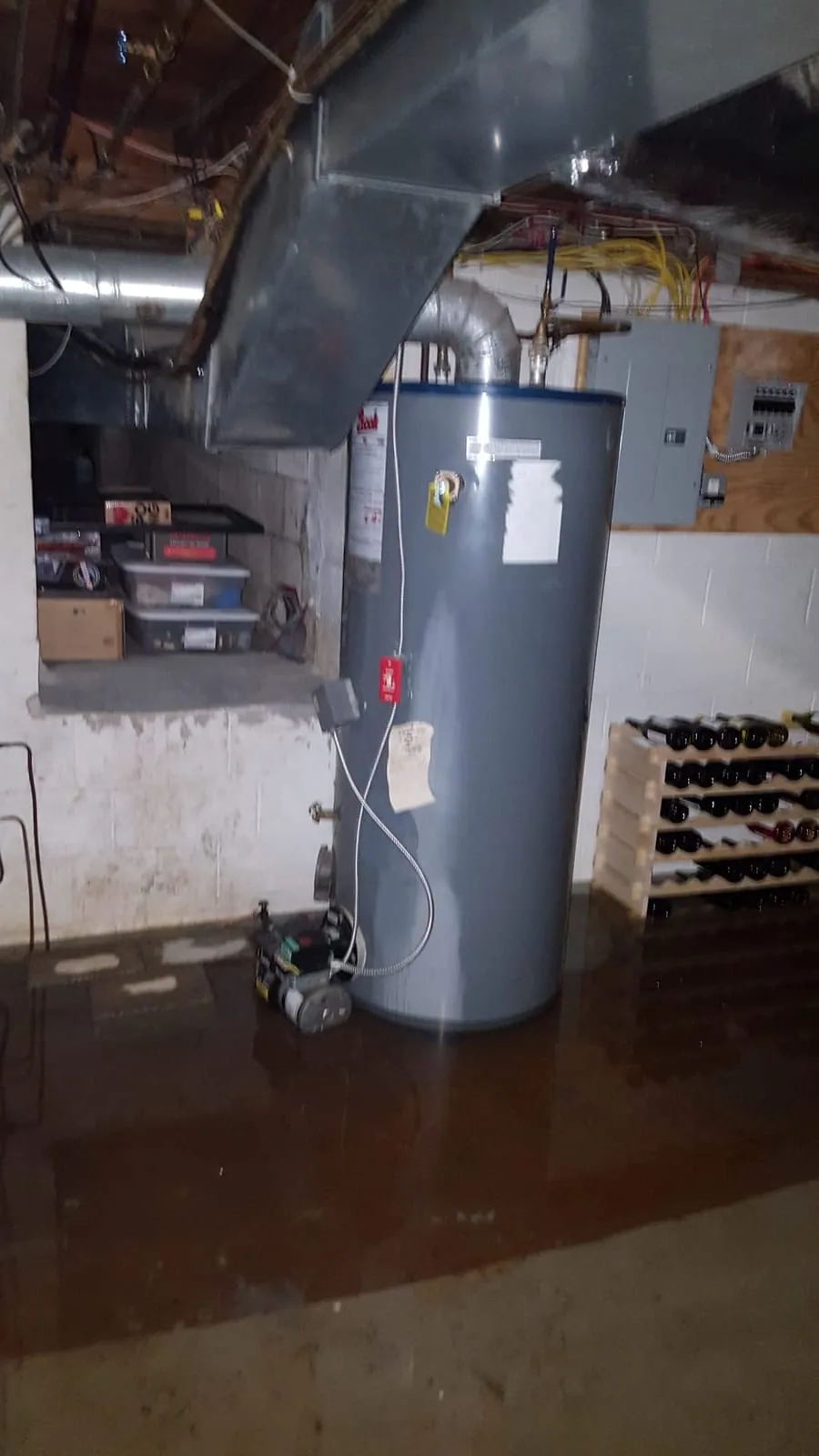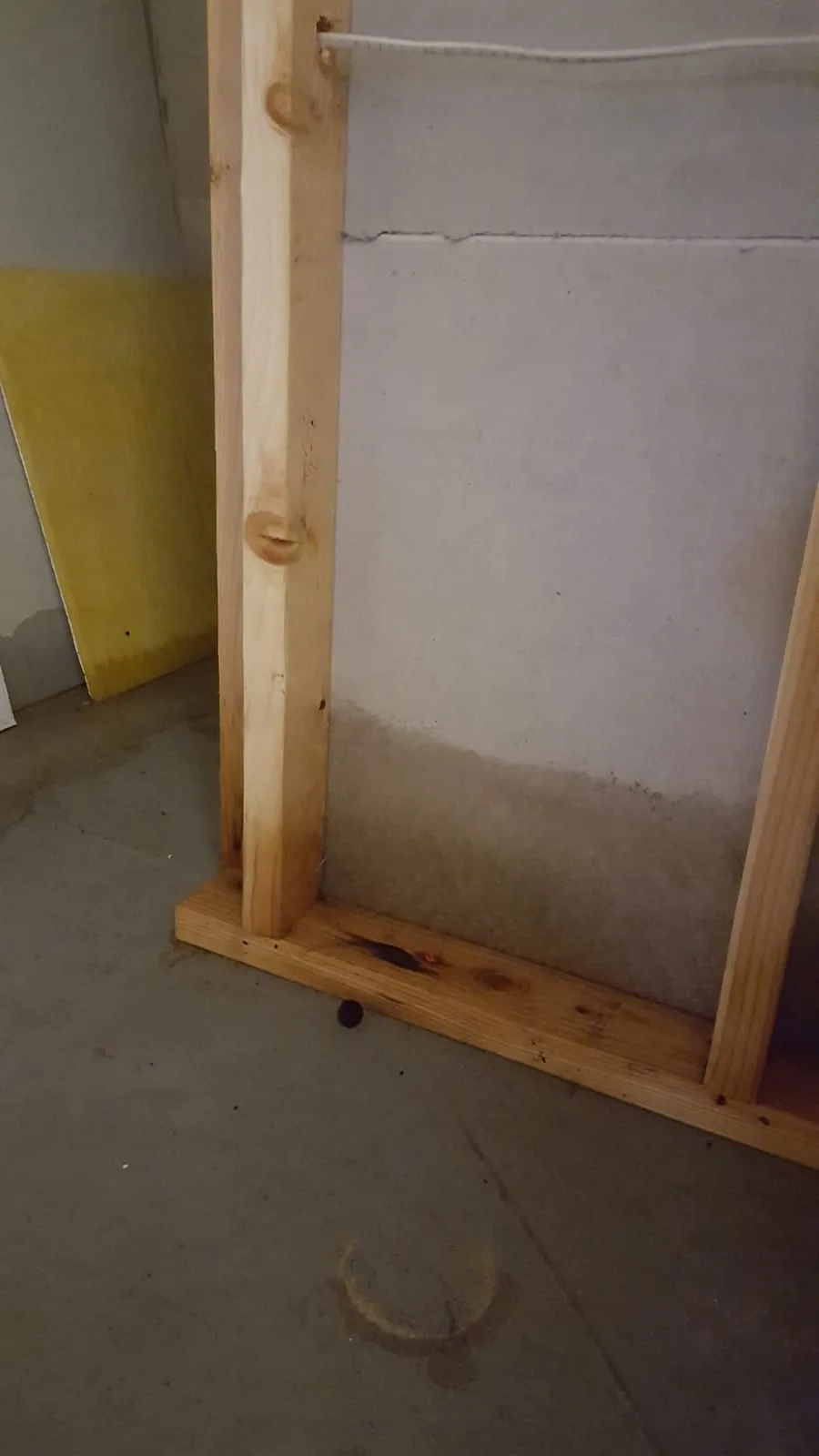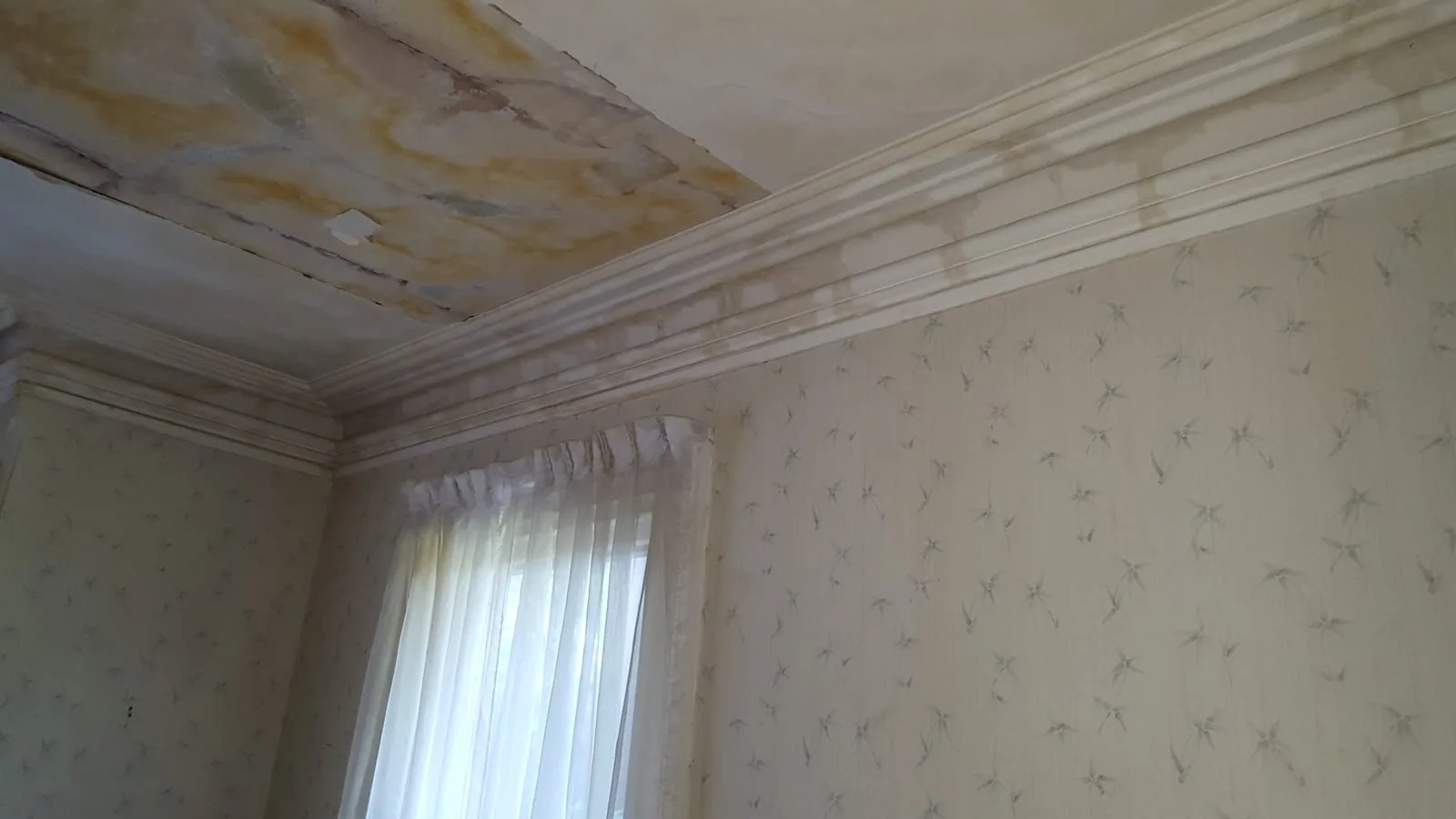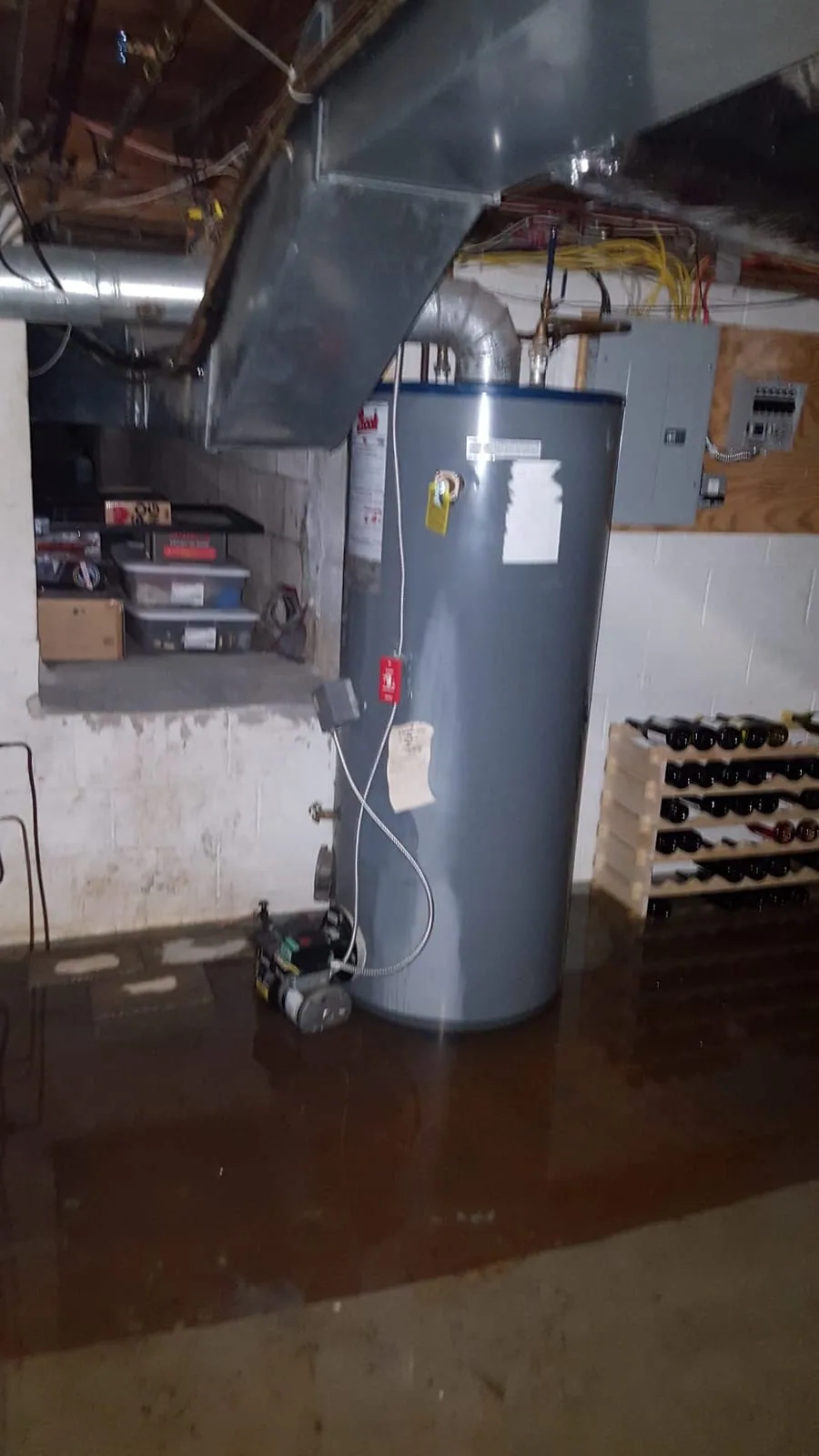
Finding water in your basement is one of the most stressful experiences a homeowner faces. Whether it's a few inches from heavy rain, a burst water heater, or a total sump pump failure with two feet of standing water, what you do in the first 60 minutes determines whether you're facing a straightforward restoration or a months-long project. Here's the exact sequence the 911 Storm team recommends.
First 5 Minutes: Safety
- Don't walk into standing water if the power is on in the basement
- Turn off electricity to the basement at the main panel if you can reach it safely
- Check for gas smell — if detected, evacuate and call the gas company
- Don't touch electrical devices that are wet
- Keep children and pets away from the area
First 15 Minutes: Stop the Source
- Shut off water at the main valve if the source is a plumbing failure
- Stop appliance leaks — turn off supply valves to water heater, washing machine, dishwasher
- Cover roof holes with tarps if storm damage is the cause
- Close windows and doors if the source is exterior water intrusion
First 30 Minutes: Document Everything
Before ANY cleanup:
- Photograph every room and corner
- Video walk-through with commentary
- Close-ups of damaged items, water lines on walls, serial numbers on appliances
- Photos of the source (burst pipe, failed sump pump, etc.)
This documentation is critical for your insurance claim.
First 45 Minutes: Call for Help
- 1Call 911 Storm — our 60-minute dispatch applies to every flooded basement call from Greenwich to Yonkers
- 2Call your insurance carrier
- 3Call a plumber if source repair is outside our scope
- 4Call neighbors or family if you need help moving items
First 60 Minutes: Prevent Further Damage
- Move furniture and contents to dry upper floors if water is shallow
- Elevate items on blocks where feasible
- Remove saturated carpets and rugs if you have physical capacity and it's safe
- Open windows if outdoor humidity is lower than indoor
- Don't use a residential shop vac on large water volumes — dangerous and inefficient
What 911 Storm Does On Arrival
- Category assessment — IICRC Category 1, 2, or 3 water determination
- Extraction — Industrial truck-mounted pumps move 500+ gallons per hour
- Moisture mapping — Thermal imaging and penetrating meters find hidden water
- Structural drying setup — Air movers, dehumidifiers, positioned per psychrometric calculations
- Content pack-out when needed
- Antimicrobial treatment to prevent mold
- Full insurance direct-bill coordination
Category Matters
- Category 1 (clean water) — supply-line breaks, rainwater intrusion. Fastest recovery.
- Category 2 (gray water) — dishwasher/washer discharges, shower drains. Requires enhanced sanitization.
- Category 3 (black water) — sewage backup, flood water. Requires biohazard remediation and typically full demolition of porous materials.
The category drives cost, timeline, and scope — our first action on arrival is category determination.
Our dispatch runs 24 hours a day, 7 days a week, 365 days a year across both counties. If you're standing in water right now, call the number at the top of this page — we'll have a crew at your property within 60 minutes.
Frequently Asked Questions
How quickly does mold start growing?+
Mold begins colonizing wet organic material within 24-48 hours. If your basement is still wet at the 48-hour mark, you're almost certainly facing parallel mold remediation on top of water damage.
Can I just wait for the water to dry on its own?+
No. Natural drying is too slow — insulation, drywall, and subflooring saturate faster than they can dry, leading to mold and structural damage. Professional extraction + forced drying is essential.
What does professional water extraction cost?+
Emergency extraction typically runs $1,500-$5,000 for residential basement scope; larger scopes can run $10K+. The good news: if you have coverage, insurance pays. Your deductible is usually the only out-of-pocket cost.
Should I pump out my own basement?+
Small volumes (under a few inches) with known clean water can be managed with a wet vac. Larger volumes, any unknown contamination, or any electrical concern — call a professional. Safety risks are real.
Related Services
Raf Volkov
Raf has personally supervised more than 100 restoration projects across Fairfield County, CT and Westchester County, NY since 2003. He holds IICRC Water Damage Restoration (2016), IICRC Fire & Smoke Restoration (2016), Goldmorr AIM Mycotoxin Remediation, EZ Breathe Installer, and Stego Vapor Barrier / ASTM E1643 certifications — attending manufacturer trainings every year. Every protocol on this site is built on standards he's trained and re-trained in.