
Our Services
Mold Remediation
Mold spreads fast and harms your health. Our certified remediators eliminate mold at the source, test air quality, and ensure your property is safe to inhabit again.
All Mold Removal Services
Available 24/7 across Fairfield County, CT and Westchester County, NY.
Mold Removal
Complete mold removal using containment, HEPA filtration, and antimicrobial treatment.
Learn moreAir Quality Testing
Professional air sampling to detect mold spores and contaminants invisible to the eye.
Learn moreMold Testing
Surface and bulk sampling to identify mold species and contamination levels.
Learn moreCommercial Mold Remediation
Mold remediation for offices, schools, and commercial buildings — minimal downtime.
Learn moreMold Removal by City — Fairfield County, CT & Westchester County, NY
We dispatch IICRC-certified mold removal crews to all 67 cities and hamlets across our two-county service area, with a 60-minute response target. Find your city:
Mold Remediation in Fairfield County, CT & Westchester County, NY
Mold is the second most common restoration call we receive across Fairfield County, CT and Westchester County, NY — and by far the most misunderstood. Visible mold growth on a bathroom ceiling, in a basement corner, or behind a piece of furniture is almost always the visible tip of a moisture problem that started weeks or months earlier. Removing the visible growth without identifying and controlling the underlying moisture source produces a remediation that fails: the mold returns to the same location within months, and the homeowner pays twice.
911 Storm performs IICRC S520-compliant mold remediation across all 67 cities in our Fairfield + Westchester service area. The IICRC S520 Standard for Professional Mold Remediation is a 300-page published document that defines containment levels, demolition decisions, antimicrobial chemistry, post-remediation verification (PRV), and the principle that has guided every legitimate remediation since the standard was first published: source removal beats source treatment. We don't spray over moldy drywall. We remove it, treat the framing beneath, dry the structure to baseline moisture content, and verify clearance with third-party air sampling before declaring the job complete.
Beyond IICRC S520, our crews are certified in the Goldmorr Antimicrobial Injection Method (AIM) — a specialty multi-stage system designed for chronic mycotoxin exposure cases where standard S520 cleaning leaves residual toxin burden. For Fairfield and Westchester families dealing with recurrent respiratory symptoms, unexplained fatigue, or sensitivities tied to a specific room of the home, the Goldmorr protocol layered on top of standard S520 remediation is often the difference between "the visible mold is gone" and "the family's symptoms actually resolve."
Why Mold Removal Mitigation Matters
Mold grows on any porous, organic material — drywall paper, carpet backing, ceiling tile, wood framing — whenever moisture content exceeds roughly 16% for more than 48-72 hours. In Fairfield's coastal climate (Long Island Sound humidity, chronic basement moisture, ice-dam ceiling intrusions, seasonal foundation seepage), the conditions for mold growth are present in some part of nearly every older home through some part of every year. The question is rarely whether mold is forming, but whether it is contained and the moisture source is being managed.
Health implications vary by mold species and individual susceptibility. Common indoor molds (Cladosporium, Penicillium, Aspergillus) cause allergic responses in sensitized individuals. Stachybotrys chartarum — the species commonly called black mold — produces mycotoxins associated with more serious chronic exposure symptoms. The CDC and EPA both recognize indoor mold as a health concern requiring professional remediation when visible growth exceeds 10 square feet. For sensitive populations (children, elderly, immunocompromised, asthmatic) the threshold is lower.
Insurance treats mold as a separate coverage from the underlying water loss that caused it. Most homeowner policies sublimit mold remediation at $5,000-$25,000, and many require the mold to have arisen from a sudden-and-accidental water event within the policy period. Pure gradual mold (chronic basement humidity without a discrete water-loss trigger) is typically excluded. Fast, properly documented S520 remediation paired with documented water-source control is what keeps a covered claim covered.
Real Mold Remediation Jobs Across Our Service Area
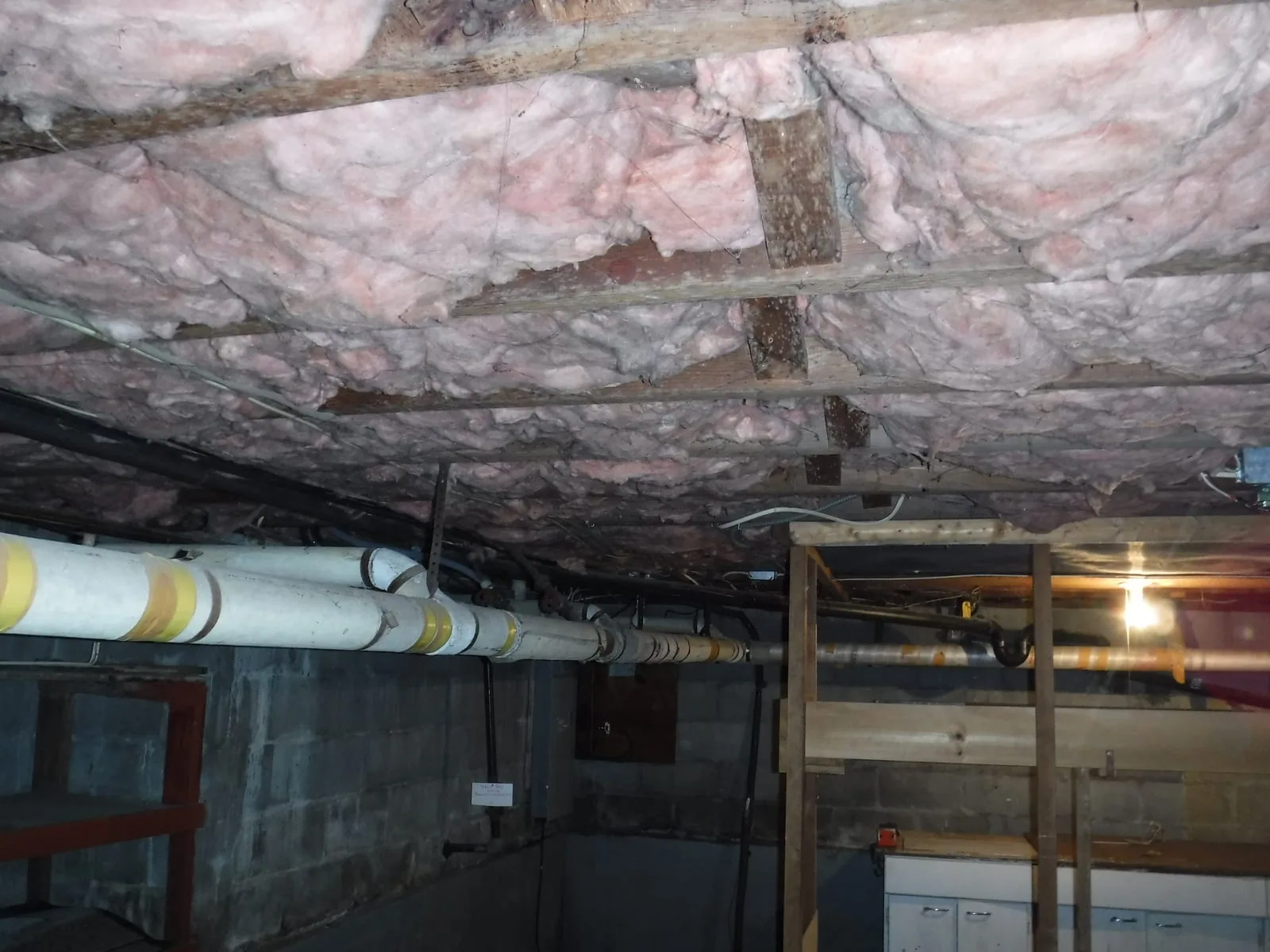
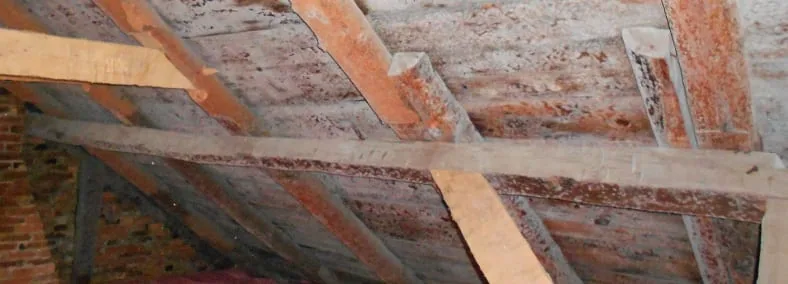
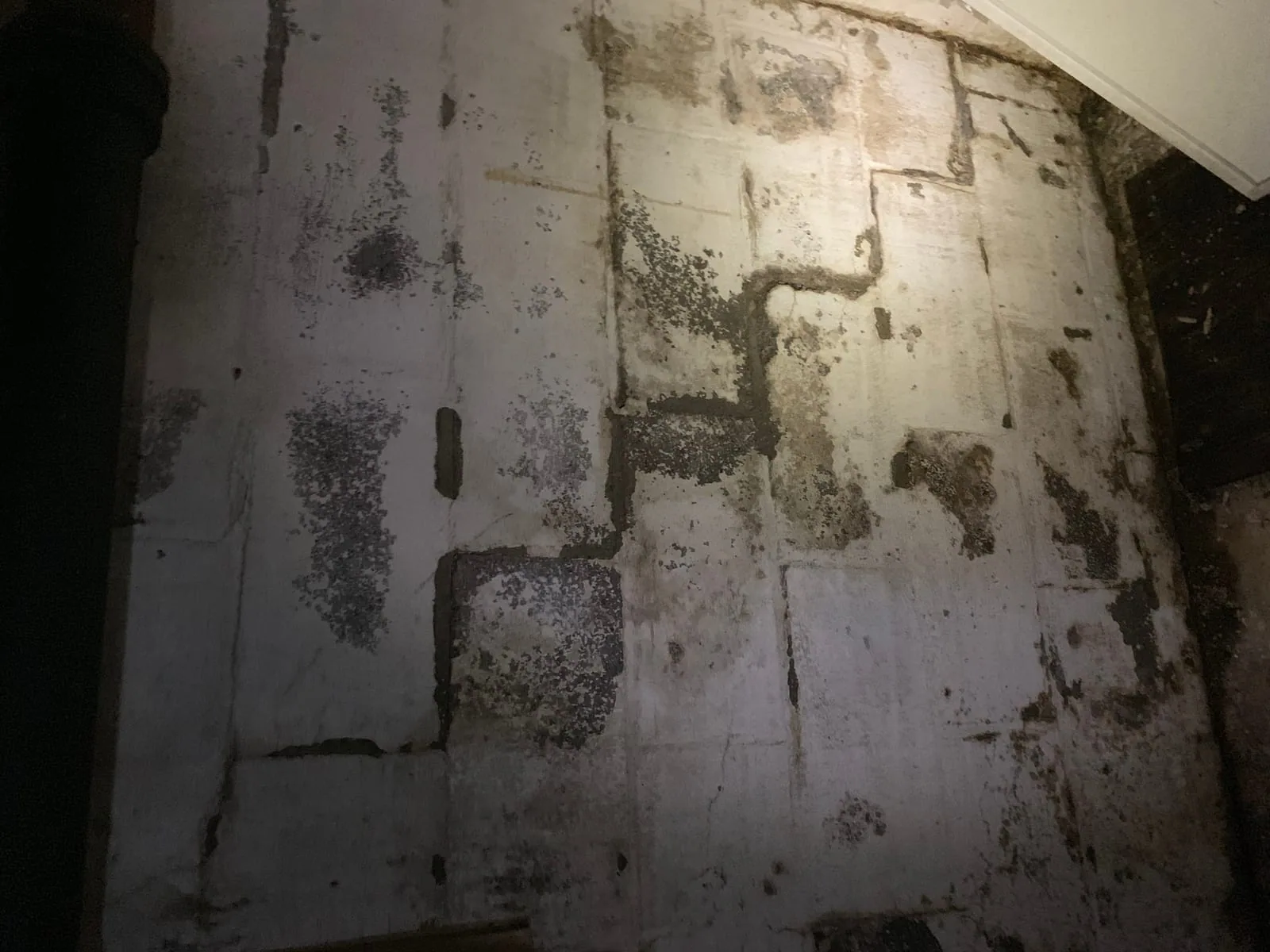
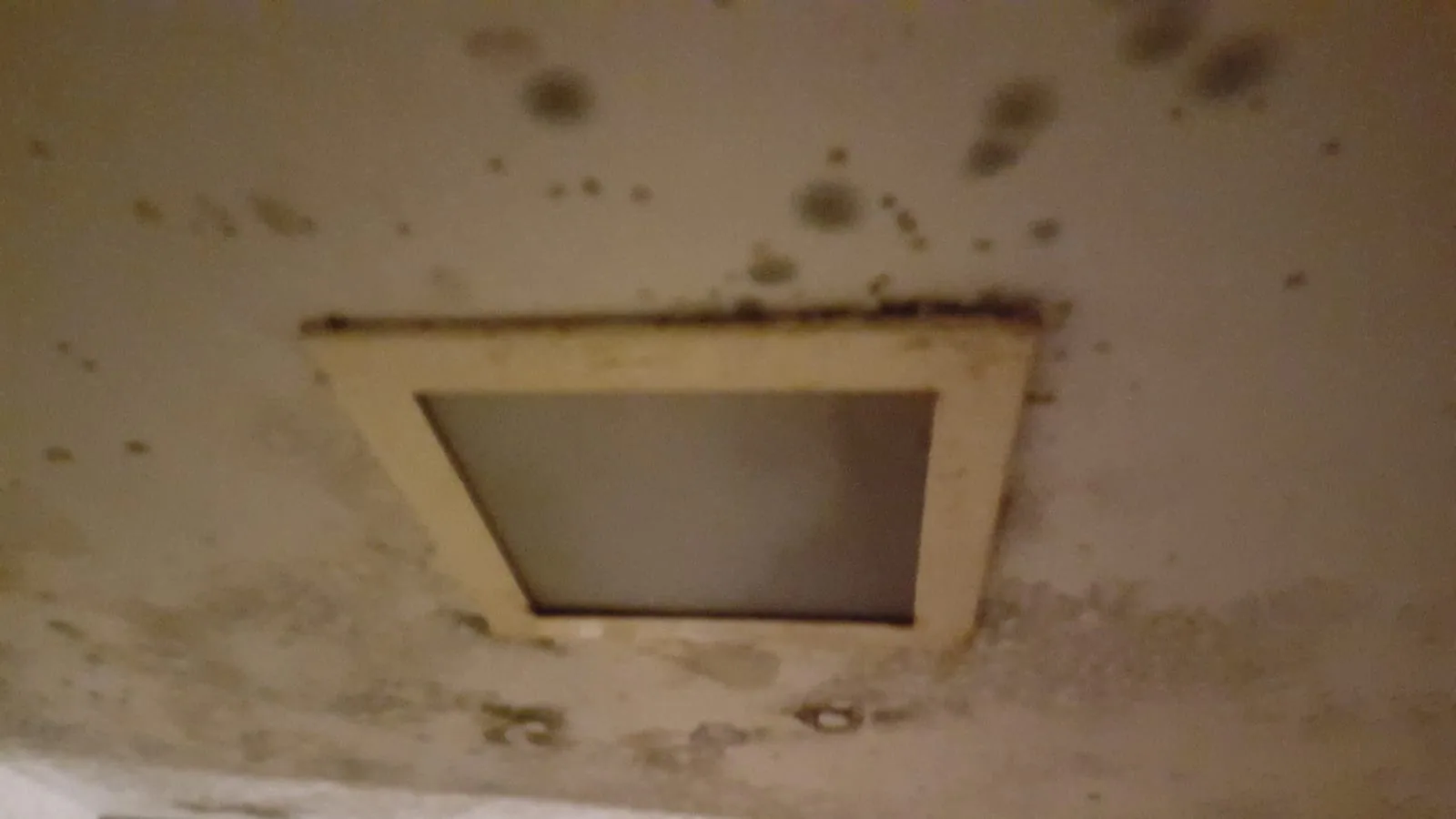
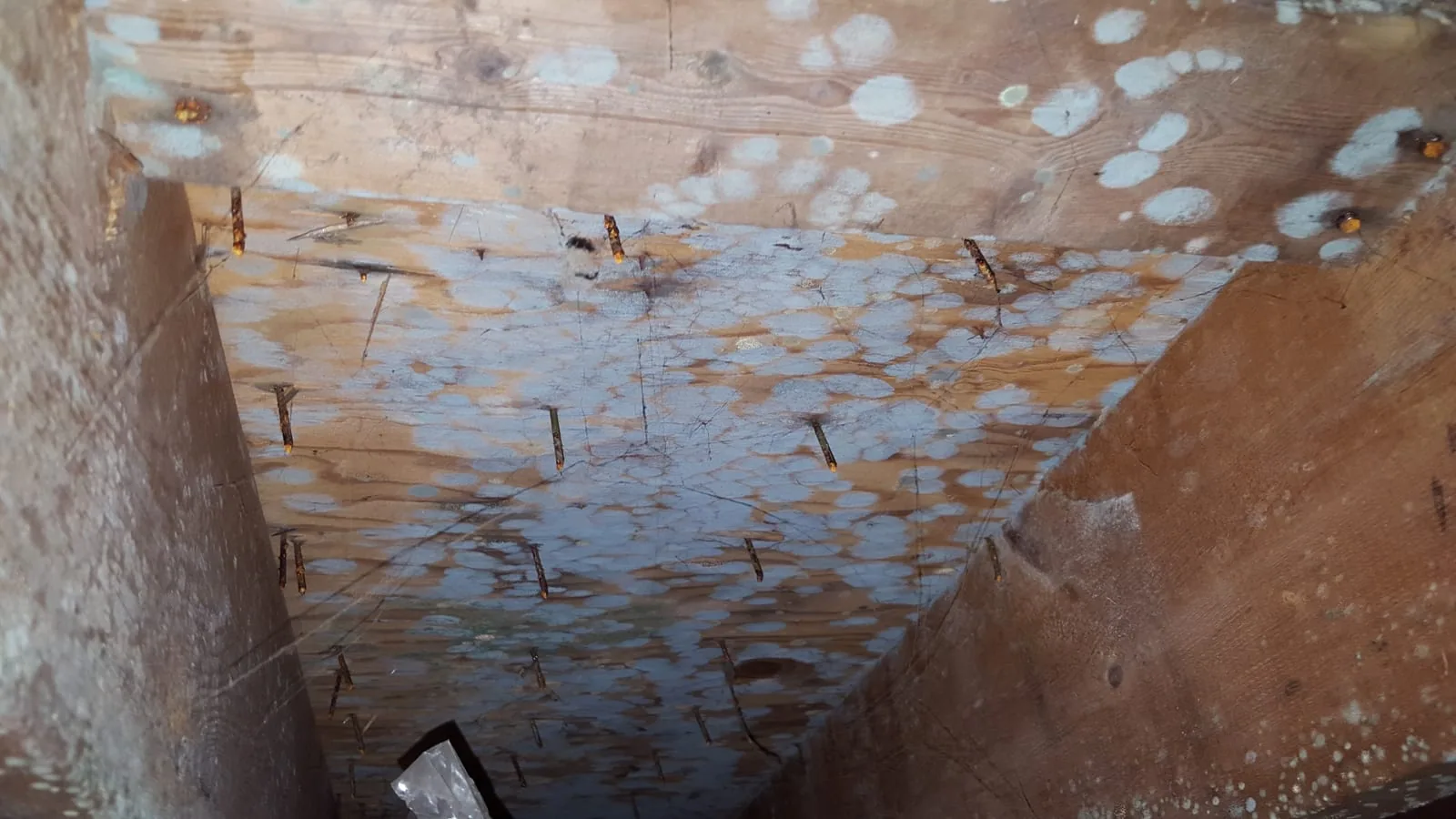
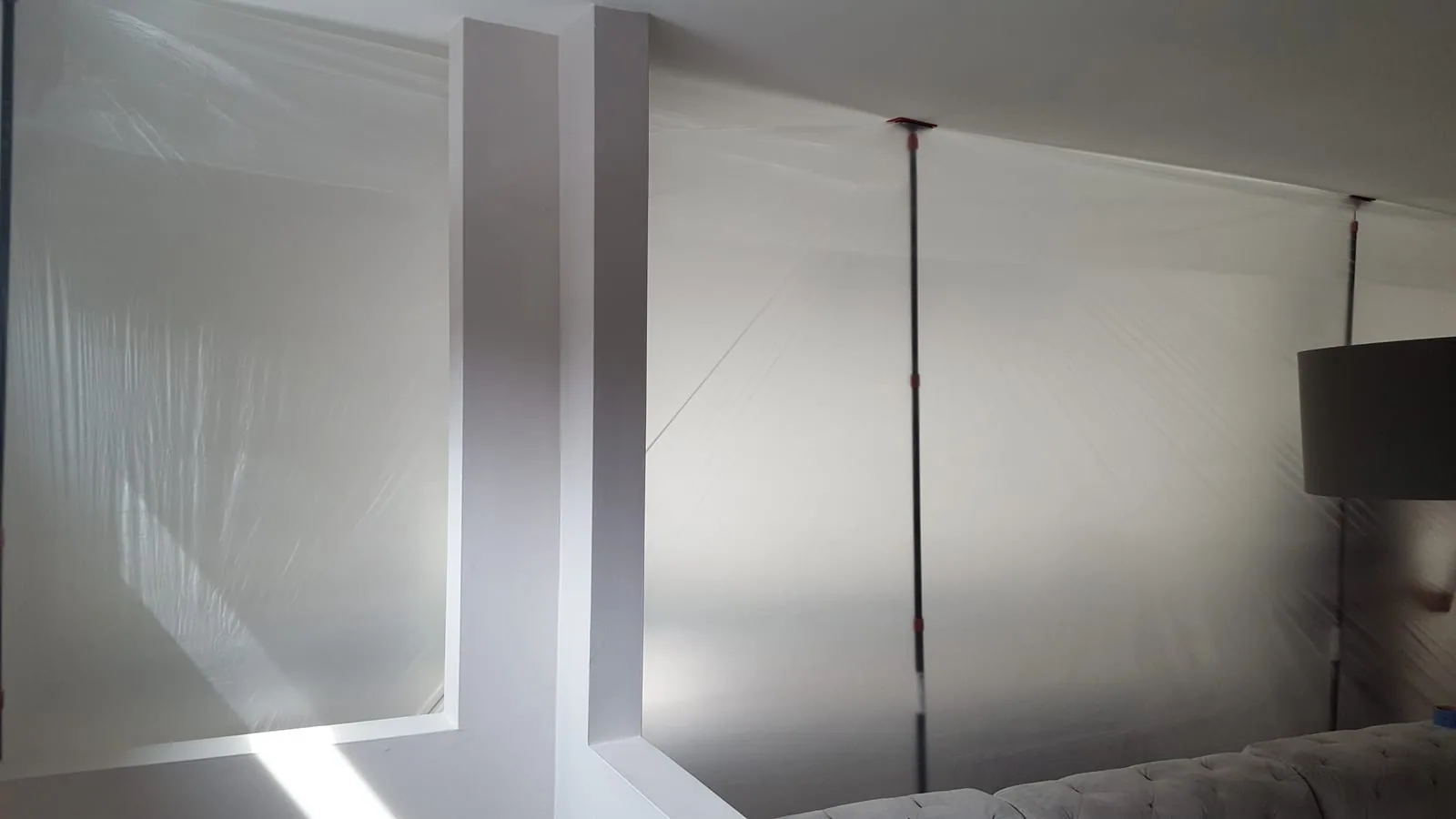
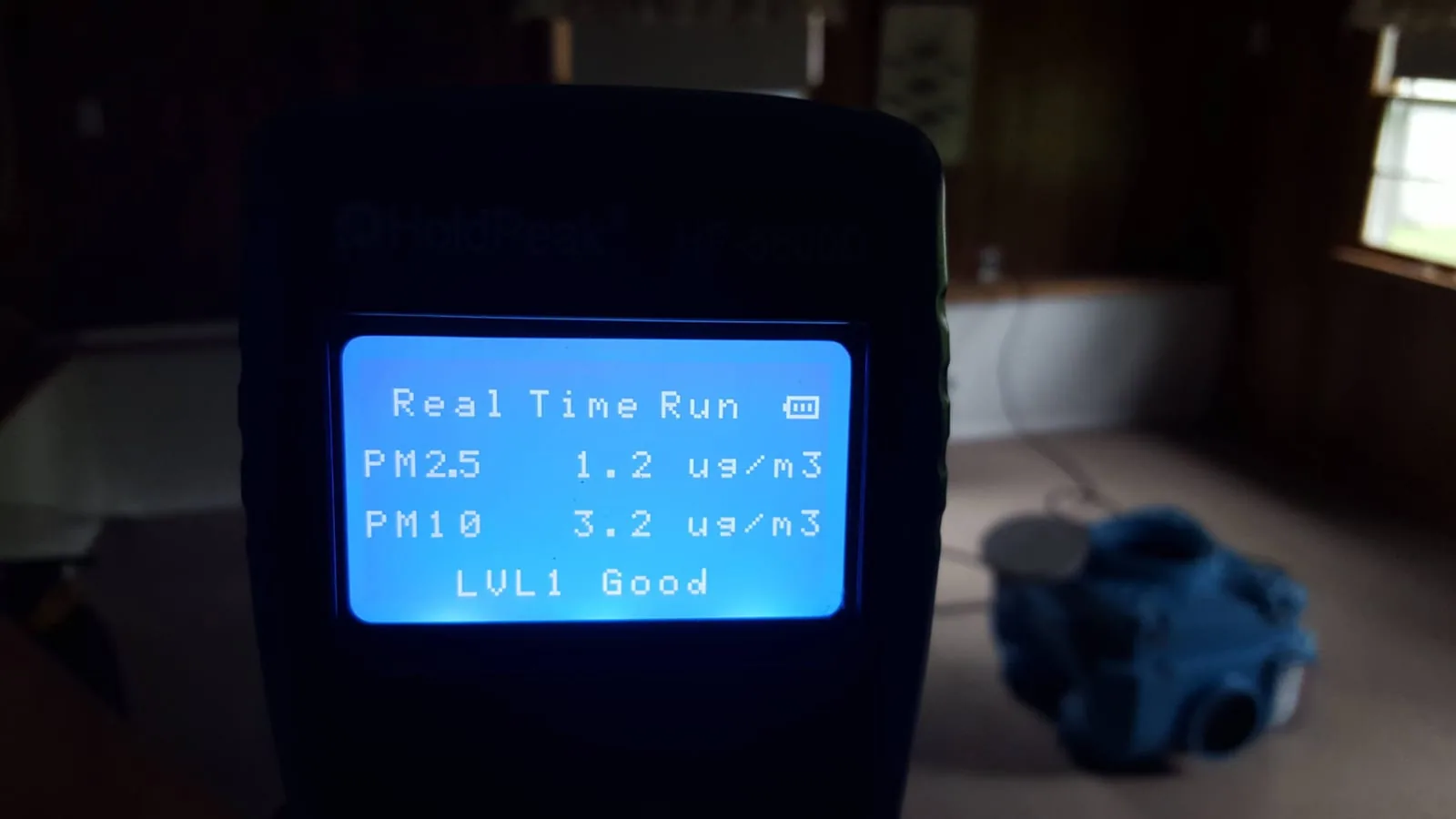
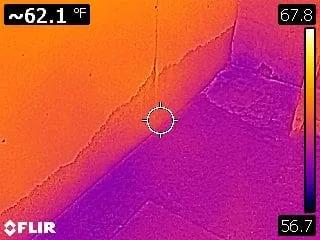
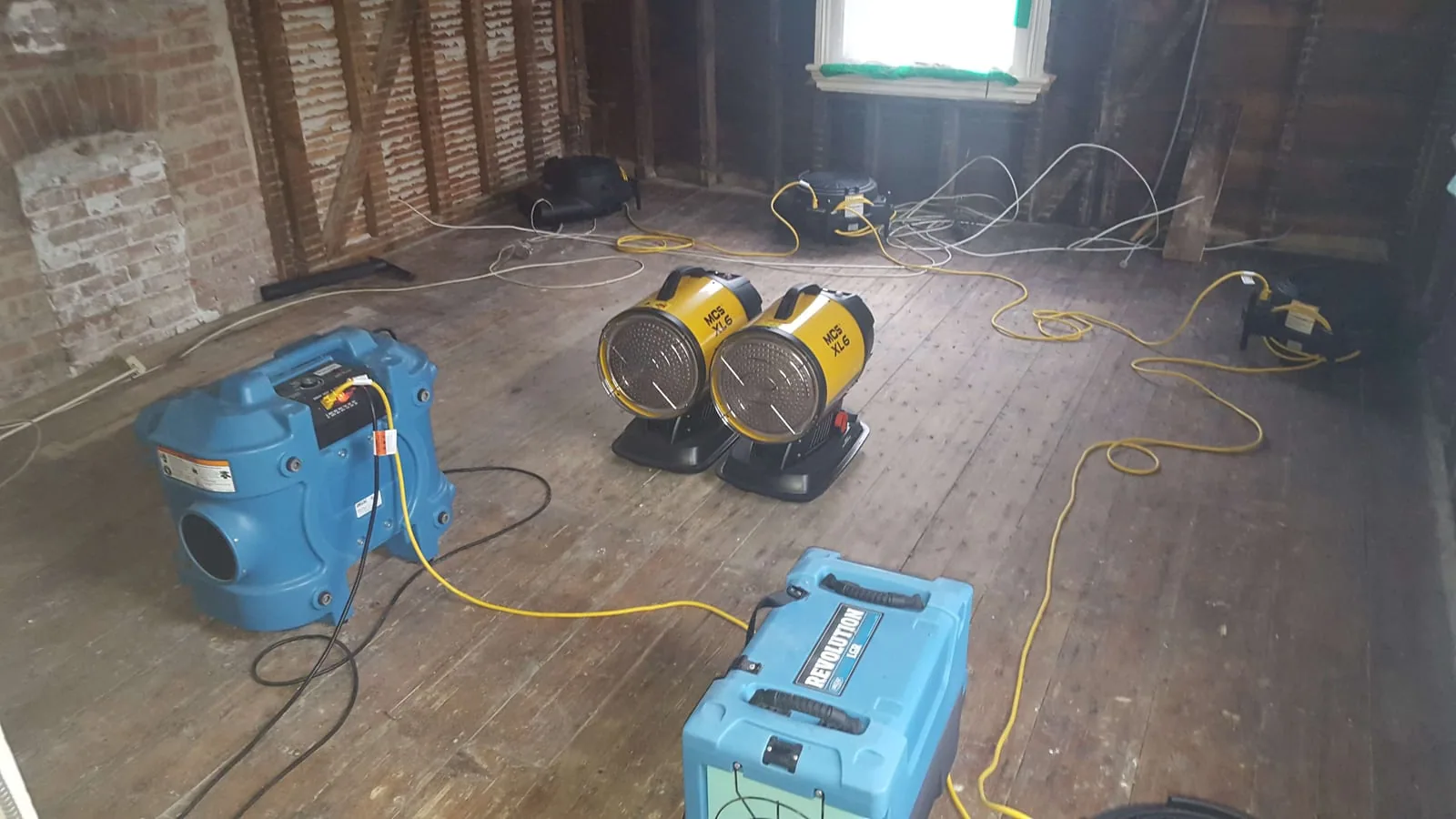
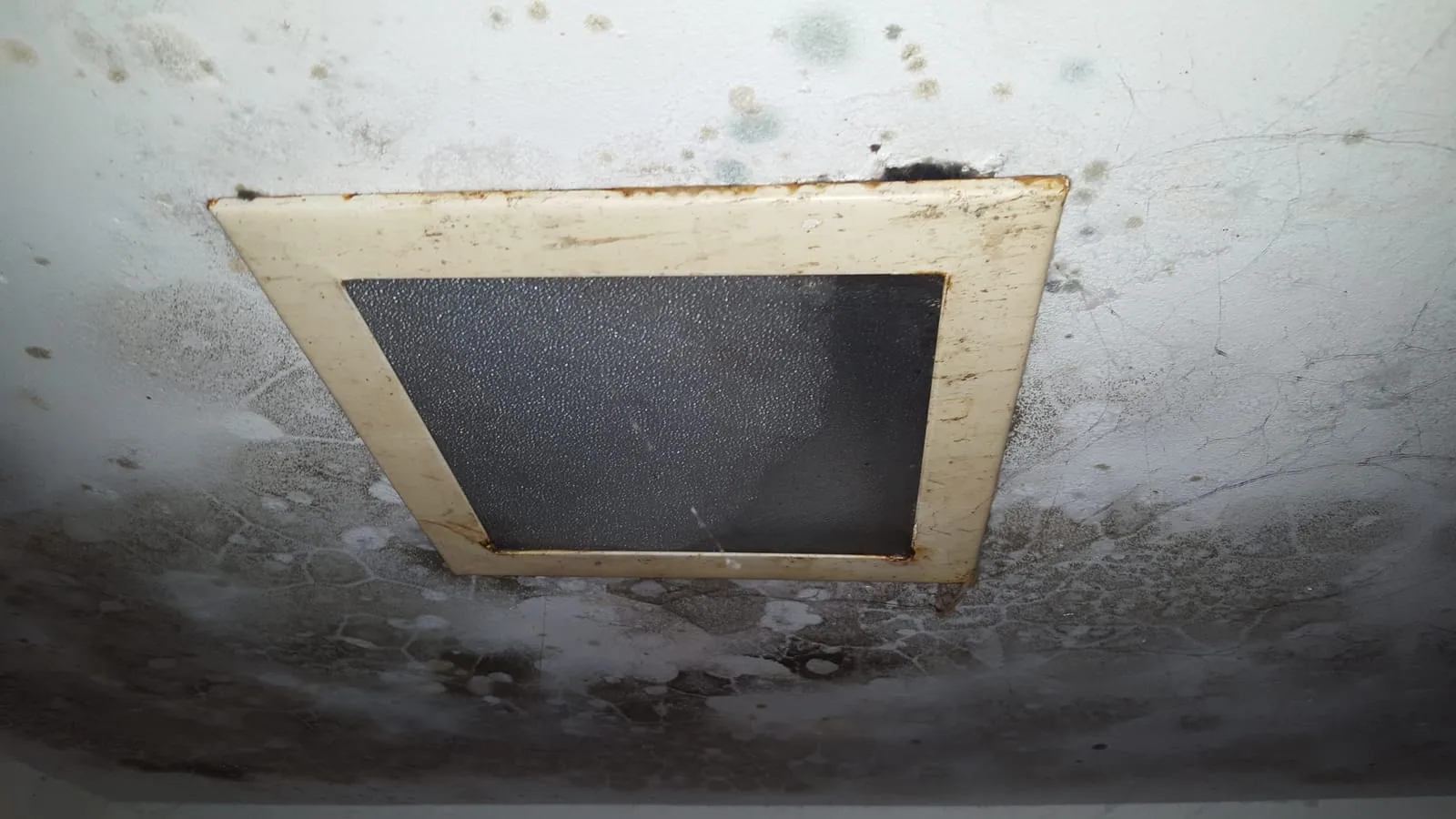
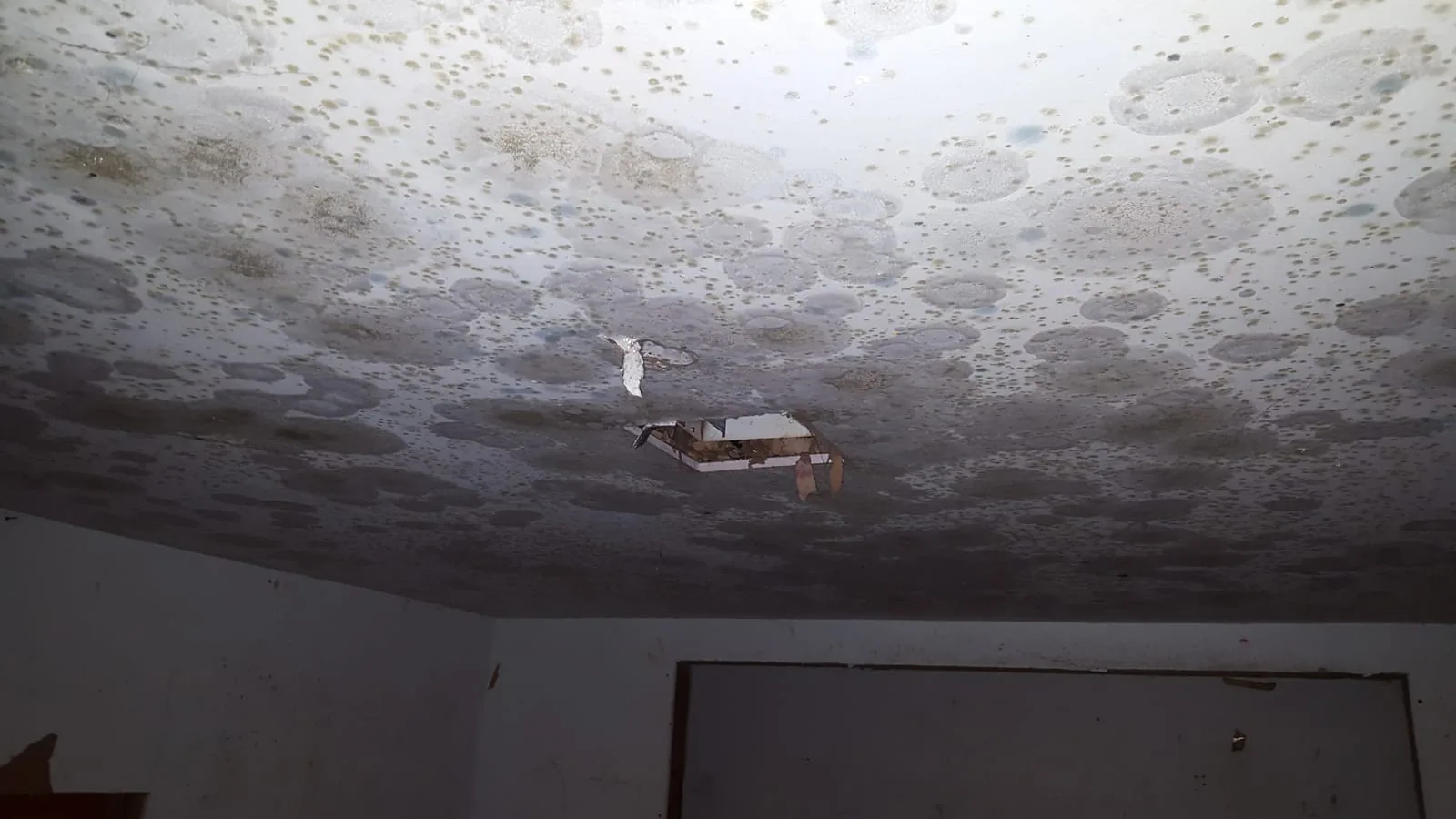
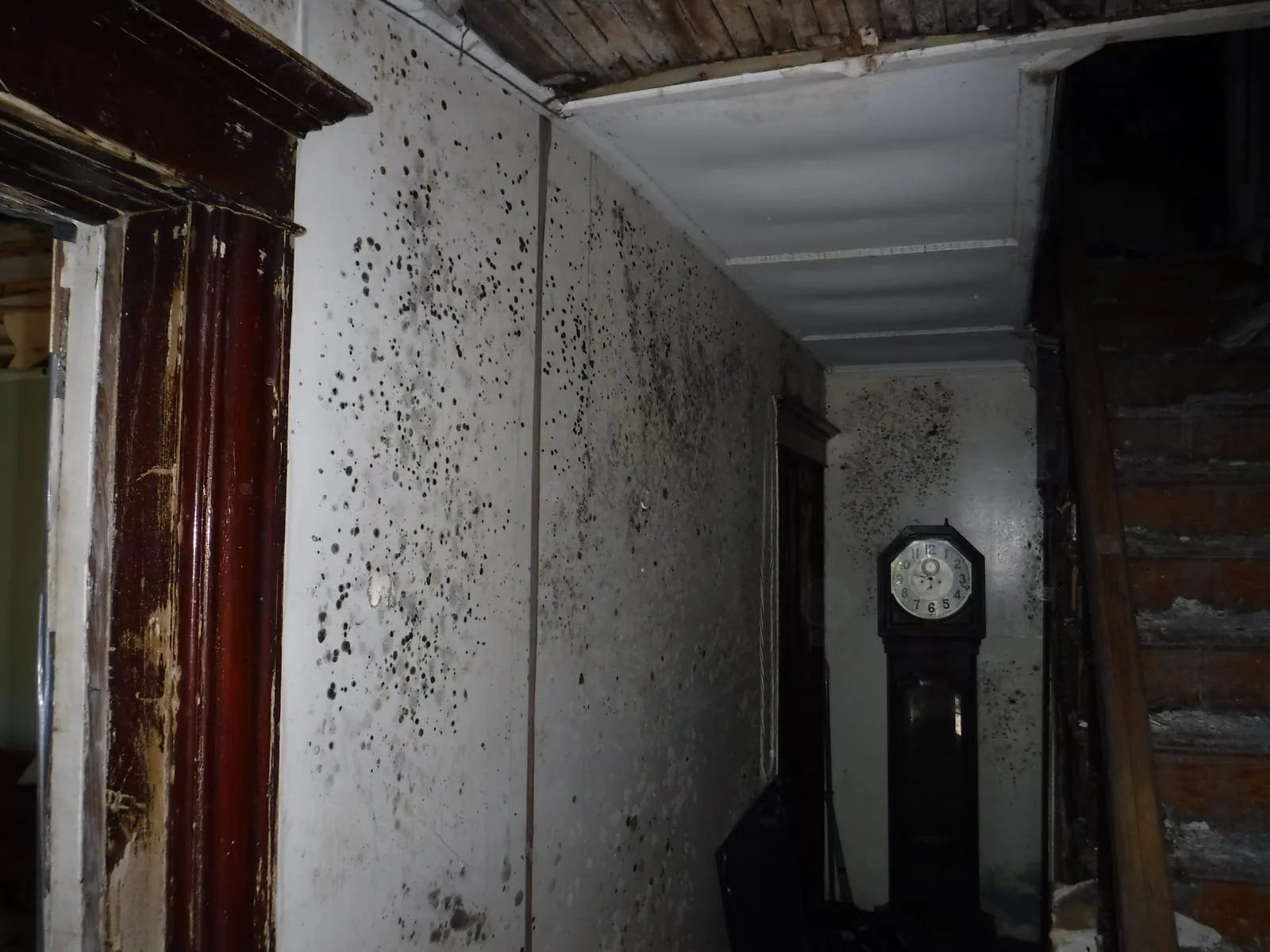
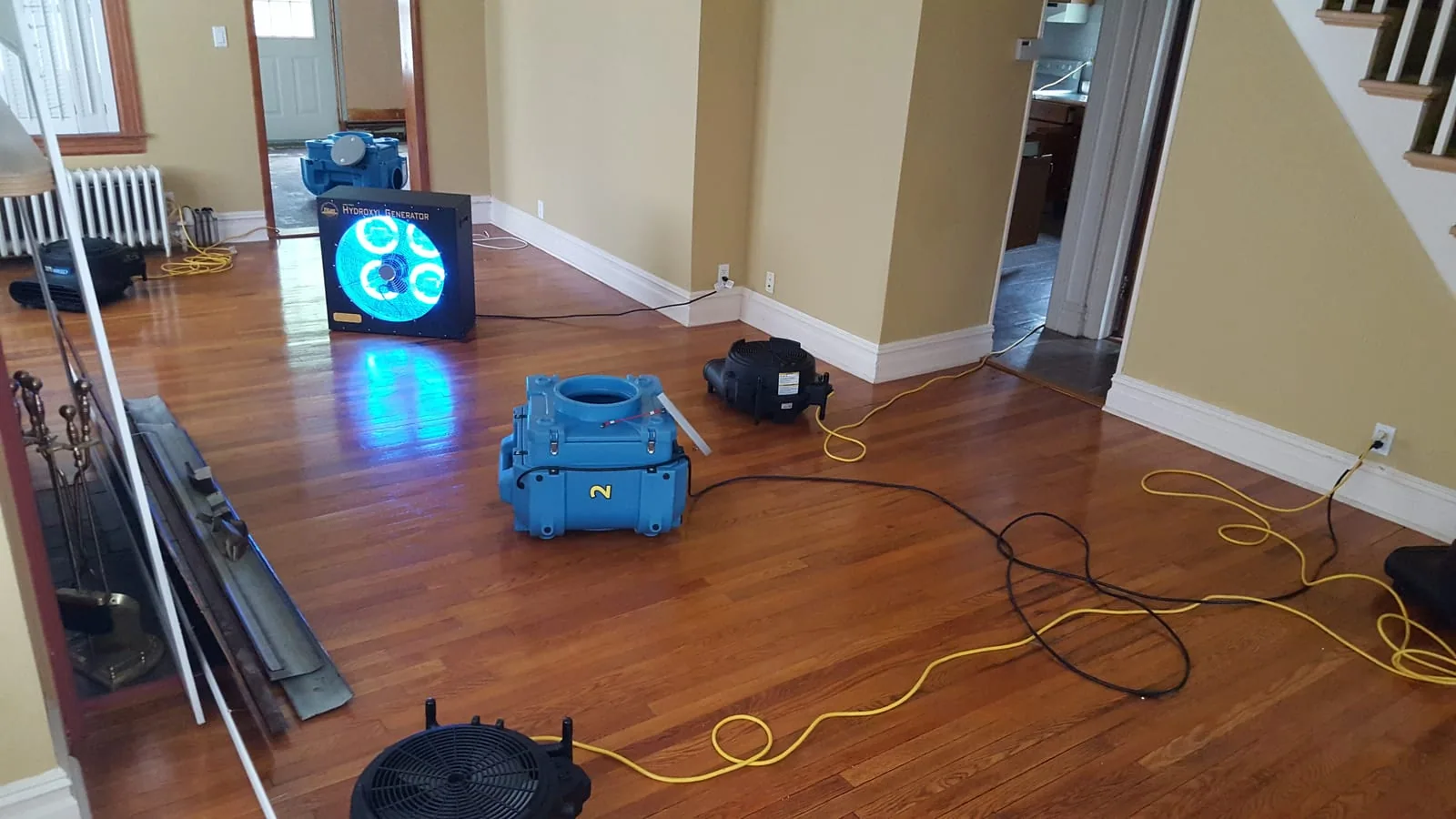
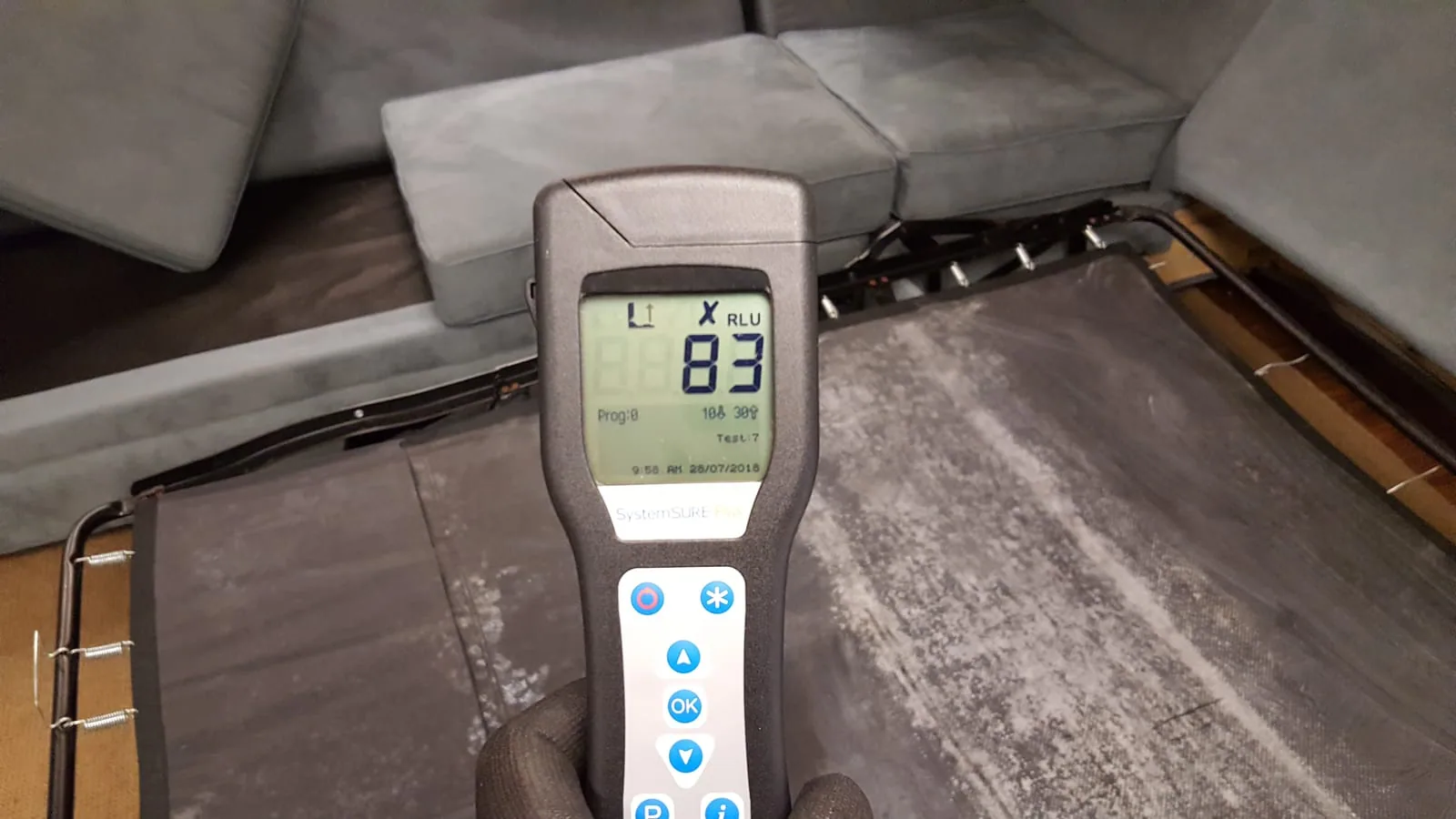
IICRC S520-compliant mold remediation in action — from initial discovery through containment, removal, and clearance testing across Fairfield and Westchester County homes.
Our Process
The IICRC-Aligned Mold Removal Process
Every job documented to the published industry standard. The same framework your insurance adjuster references.
- 01
Assessment + Moisture Source Identification
Visual inspection of visible mold growth. Moisture mapping with FLIR thermal imaging and calibrated meters to find the moisture source feeding the mold. Air sampling (collected with chain of custody to a third-party lab) where spore quantification is needed. Surface sampling for species identification. S520 requires us to identify and document the moisture source before remediation begins — without source control, remediation will fail.
- 02
Containment Construction (IICRC S520 Level 1/2/3)
Containment level determined by affected square footage and mold species. Level 1 (small area, under 10 sq ft): plastic sheeting + dust suppression. Level 2 (10-100 sq ft): full poly sheeting floor-to-ceiling with zippered access, HEPA air scrubber maintaining negative air pressure, HVAC sealed off, crew in N-95 respirators. Level 3 (100+ sq ft, or any Stachybotrys): double-layer poly with airlock entry, multiple HEPA scrubbers, full PPE including Tyvek and full-face P100 respirators, decontamination chamber for exit.
- 03
Source Removal (Demolition of Porous Materials)
Porous materials with visible mold growth (drywall paper, carpet, carpet pad, ceiling tiles, batt insulation, particleboard) are removed and bagged for disposal as contaminated waste per S520 — you cannot reliably clean mold out of porous materials because the hyphae penetrate the structure. Semi-porous materials (wood framing, hardwood floors, plaster walls) are HEPA-vacuumed, abrasively cleaned, treated with EPA-registered antimicrobial. Non-porous materials (metal studs, sealed concrete, tile) are HEPA-vacuumed and antimicrobial-wiped in place.
- 04
Cleaning, Antimicrobial Treatment, Drying
All surfaces within containment receive HEPA vacuuming followed by EPA-registered antimicrobial application with documented dwell time. For chronic exposure cases or Stachybotrys involvement, the Goldmorr AIM protocol is layered on top of standard S520 cleaning to neutralize residual mycotoxins. Structural drying with LGR dehumidifiers continues until all materials reach baseline moisture content — typically 5-7 days post-cleaning.
- 05
Post-Remediation Verification (PRV) + Reconstruction
Third-party post-remediation verification testing before containment is dismantled. PRV typically includes: visual inspection (no visible mold or moisture remaining), moisture readings (all materials back to baseline MC), air sampling (indoor spore counts compared against outdoor baseline — should be at or below outdoor levels). Once PRV passes, containment is removed and reconstruction (new drywall, paint, trim, insulation with proper vapor barrier) begins as a separate billed scope.
What Causes It
Common Causes of Mold Removal in Our Service Area
What we see most often in Fairfield County and Westchester County homes.
Chronic basement humidity
The most common Fairfield + Westchester mold cause. Coastal climate humidity combined with cool basement walls produces condensation, which produces moisture on surfaces, which feeds mold growth on porous materials (cardboard storage boxes, drywall paper, carpet, wood framing). Most prevalent in finished basements without dehumidification, in homes with stone or unsealed concrete foundations, and in basements connected to inadequately insulated crawl spaces.
Water-loss-driven mold (untreated)
Mold growth in walls and under flooring from an inadequately mitigated water damage event 2-8 weeks earlier. Common after homeowner DIY wet-vac cleanup of a burst pipe, washing machine overflow, or sump pump failure where hidden moisture inside wall cavities was never identified and dried. By the time the homeowner notices a musty smell or visible spotting, the mold has often spread well beyond the original wet zone.
Attic mold from ice-dam intrusion
Ice dams on the roof edge force snowmelt back under shingles into attic insulation. When the affected insulation is not removed and the attic is not dried, mold colonizes the rafters, decking, and adjacent framing over the following weeks. Discovered when the homeowner enters the attic for storage or seasonal items. Common in Greenwich, Darien, New Canaan, and Bronxville homes with older slate or low-slope roofs.
HVAC system contamination
Mold in the air handler, cooling coil, duct interior, or filter housing. Caused by chronic condensation in the cooling cycle, dirty filters, or microbial contamination from elsewhere being recirculated through the ductwork. HVAC mold is particularly serious because spores are distributed throughout the home every time the system runs — single-room remediation will fail if HVAC contamination is not also addressed.
Foundation seepage and below-grade moisture
Hydrostatic pressure pushing water through foundation walls during heavy rain or snowmelt, particularly in homes with clay-heavy soil (common in Round Hill and backcountry Greenwich, much of central Fairfield, and parts of Westchester). Water enters at the wall-floor joint or through hairline cracks, soaks adjacent drywall and framing, and mold colonizes the porous materials within 48-72 hours.
Bathroom mold from chronic moisture
Inadequate bathroom ventilation, missing or undersized exhaust fan, shower with failed grout or caulk allowing moisture behind tile. Mold colonizes ceiling drywall above the shower, grout lines, and the wall behind the toilet. Surface-clean only solutions (bleach spray) treat the visible mold but not the moisture source — recurrence within 3-6 months is typical.
Hidden plumbing leak
Slow pinhole leak in a supply line behind a wall, failing slip joint under a sink, deteriorating shower pan seal. Moisture accumulates in the wall cavity over weeks or months, drywall remains apparently dry on the visible side, but the back of the drywall and the framing behind it grows mold extensively. Often discovered only when the moisture reaches the ceiling below or when a homeowner notices a musty smell with no obvious source.
First-Hour Action Plan
What to Do in the First Hour
The five steps that determine the entire claim timeline.
- 01
Do NOT disturb visible mold growth
Active mold colonies release spores when disturbed — touching, brushing, or wiping visible mold spreads contamination through the rest of the home. Close doors to the affected room if possible. Turn off any HVAC systems that move air between the affected area and the rest of the home.
- 02
Do NOT use bleach as a primary fix
Bleach kills surface mold on non-porous surfaces (tile, sealed concrete) but does not penetrate porous materials (drywall, wood) where the hyphae actually grow. Bleach treatment of porous moldy surfaces also adds moisture to the substrate, which can accelerate regrowth. S520 standard cleaning uses EPA-registered antimicrobials matched to the substrate, not consumer bleach.
- 03
Document the affected area
Photos and video of visible mold growth before any intervention. Note when the homeowner first noticed the growth and any associated water events (recent leak, flood, ice dam, etc.). This documentation supports the insurance claim if the mold arose from a covered water event within the policy period.
- 04
Identify the moisture source if possible
Visible water source (leaking pipe, condensation on cold-water lines, ice dam, foundation seepage)? Recent water event in the past few months? Chronic high-humidity environment without dehumidification? Source control is half the remediation — without it, S520-compliant cleanup will fail.
- 05
Call a certified S520 contractor
Verify the contractor holds an active IICRC S520 certification (different from S500 water-damage cert). Ask which containment level they plan to use and why. Ask whether they support third-party post-remediation verification testing before dismantling containment. We are IICRC S520 certified plus Goldmorr AIM certified for chronic mycotoxin cases — free on-site assessment across Fairfield + Westchester.
Insurance
Direct Insurance Billing
Mold coverage is sublimited on virtually every standard homeowner policy in our market — typically $5,000 to $25,000 depending on policy and carrier. The high-net-worth carriers (Chubb, AIG Private Client, PURE) usually default to higher mold sublimits ($25K-$50K) and offer endorsements that raise mold coverage further. The national majors (State Farm, Allstate, Liberty Mutual, Travelers) usually default to the lower end ($5K-$10K) but offer mold buy-up endorsements at modest annual premium — worth carrying for homes in chronic-moisture areas or with finished basements.
Coverage typically requires the mold to have arisen from a sudden-and-accidental water event within the policy period. Pure gradual mold from chronic basement humidity without a discrete water-loss trigger is typically excluded. When we document a mold remediation, we explicitly tie the mold to its underlying water source whenever possible — this is what keeps borderline claims covered. See our IICRC S520 plain-English standard explainer and the carrier-specific mold sublimit notes on our direct-billing carrier wall.
Why Choose 911 Storm for Mold Removal?
- Certified mold removal specialists serving CT & NY since 2003
- 60-minute emergency response — guaranteed
- Full insurance claim management from start to finish
- IICRC-certified equipment and techniques
- Written guarantee on all restoration work
Other Restoration Services
How Long Does Mold Removal Take?
Every job is different, but here's a realistic timeline for most mold removal projects.
Emergency Call
0 min24/7 dispatch, same-day assessment scheduling.
Assessment + Testing
Day 1Visual, surface samples, air samples sent to lab.
Containment Setup
Day 2-3Poly sheeting, HEPA air scrubbers, negative pressure.
Active Remediation
Day 3-10Controlled demo, antimicrobial treatment, HEPA cleaning.
Clearance Testing + Rebuild
Day 10-14+Independent air test verifies clearance, then rebuild.
Timelines vary with scope, insurance adjuster response, and hidden damage discovered during work. Your detailed timeline is given after the on-site assessment.
Common Questions
Mold Removal FAQ
How do I know if I really need professional mold remediation?
Visible mold growth over 10 square feet, any visible Stachybotrys (black mold), mold associated with a water damage event, mold in HVAC system or ducts, mold in homes with sensitive occupants (children, elderly, immunocompromised, asthmatic), or recurrent mold despite homeowner cleanup attempts — all are indications for professional IICRC S520 remediation. For small surface mold under 10 sq ft on non-porous surfaces from an identifiable and controllable moisture source, careful homeowner cleanup with proper PPE may be sufficient.
Will my insurance cover mold remediation?
Most policies cover mold up to a sublimit ($5,000-$25,000 typical) when the mold arose from a covered sudden-and-accidental water event within the policy period. Chronic gradual mold without a discrete water-loss trigger is generally excluded. We tie mold to its water source in our documentation to support coverage. The HNW carriers (Chubb, AIG PC, PURE) tend to have higher default mold sublimits than national majors. See our carrier-specific mold notes on the direct-billing wall.
How long does mold remediation take?
Small-area Level 1 cleanup: 1-2 days. Single-room Level 2 remediation with containment + demolition + drying + clearance: 5-7 days. Multi-room or whole-area Level 3 remediation with PRV: 10-21 days. Reconstruction (new drywall, paint, insulation with vapor barrier) typically adds another 1-2 weeks. PRV scheduling can extend timelines slightly depending on the testing lab's turnaround.
What is post-remediation verification (PRV) and why does it matter?
PRV is third-party testing performed by an independent industrial hygienist or licensed mold inspector before remediation containment is dismantled. Visual inspection (no visible mold or moisture), moisture readings (materials at baseline MC), and air sampling (indoor spores at or below outdoor baseline). PRV is the only objective proof that the remediation worked. Carriers paying serious mold claims often require it. We welcome and arrange PRV on every Level 2+ job.
Will mold come back after remediation?
Only if the underlying moisture source was not addressed. S520 is explicit: "remediation without moisture source control is not remediation." We identify and document the moisture source as the first step of every job. If the source is a structural issue beyond our scope (foundation crack requiring exterior excavation, roof requiring replacement, HVAC system requiring overhaul), we coordinate with the right specialty trade as part of the project. Properly executed S520 remediation with source control does not recur.
Is black mold (Stachybotrys) actually dangerous?
Stachybotrys chartarum produces mycotoxins associated with respiratory symptoms, headaches, chronic fatigue, and cognitive effects in chronic-exposure cases. Sensitive populations (children, elderly, immunocompromised, asthmatic) are at higher risk. The CDC recognizes mold exposure as a health concern but does not formally diagnose mold-illness syndromes. Regardless of individual susceptibility, Stachybotrys exceeding 10 sq ft of growth indicates significant moisture and microbial contamination requiring Level 3 IICRC S520 remediation with full PPE and PRV.
What is the Goldmorr AIM protocol and when is it used?
Goldmorr Antimicrobial Injection Method (AIM) is a specialty multi-stage system designed to neutralize mycotoxins — not just kill visible mold. Standard S520 cleaning removes mold growth but can leave residual mycotoxins on surfaces and in building materials. For chronic exposure cases, families with sensitive members, or any Stachybotrys remediation in residential occupied space, layering Goldmorr AIM on top of standard S520 cleaning addresses the toxin burden. We are Goldmorr-certified — one of the few contractors in Fairfield County with this credential.
Can I just paint over mold or cover it with new drywall?
No. Encapsulating mold under paint or new drywall hides the visible problem temporarily but does not stop the growth — the mold continues colonizing the substrate beneath, often spreading wider before becoming visible again. Encapsulant coatings have a legitimate role in S520 remediation as a supplemental treatment AFTER source removal of porous materials and cleaning of semi-porous substrates, but they are not a shortcut to skip the demolition phase. Painting over visible mold is the most common DIY mistake we are called back to fix.
How much does mold remediation cost in Fairfield County and Westchester?
Small Level 1 cleanup (under 10 sq ft): $500-$1,500. Single-room Level 2 with containment + demolition + antimicrobial + PRV: $3,500-$10,000. Multi-room Level 3 Stachybotrys remediation: $10,000-$30,000+. Whole-house remediation involving HVAC decontamination, attic, and multiple living spaces: $20,000-$60,000+. Higher in Greenwich, Darien, Westport HNW homes with premium reconstruction finishes. Cost depends primarily on affected square footage, mold species, and demolition scope — not the company doing the work. We provide free on-site assessments with written Xactimate scope.
Damage Doesn't Wait — Neither Do We
60-minute response. Free estimate. We handle your insurance claim.
IICRC Certified • Licensed & Insured • All Major Insurance Carriers