Water damage is one of the most common and costly problems homeowners face — but it rarely announces itself dramatically. More often, it sneaks up through subtle signs that are easy to dismiss until the damage becomes serious. Our water damage restoration crews respond to hundreds of calls each year across Fairfield and Westchester counties — and almost every one started with a warning sign that was overlooked.
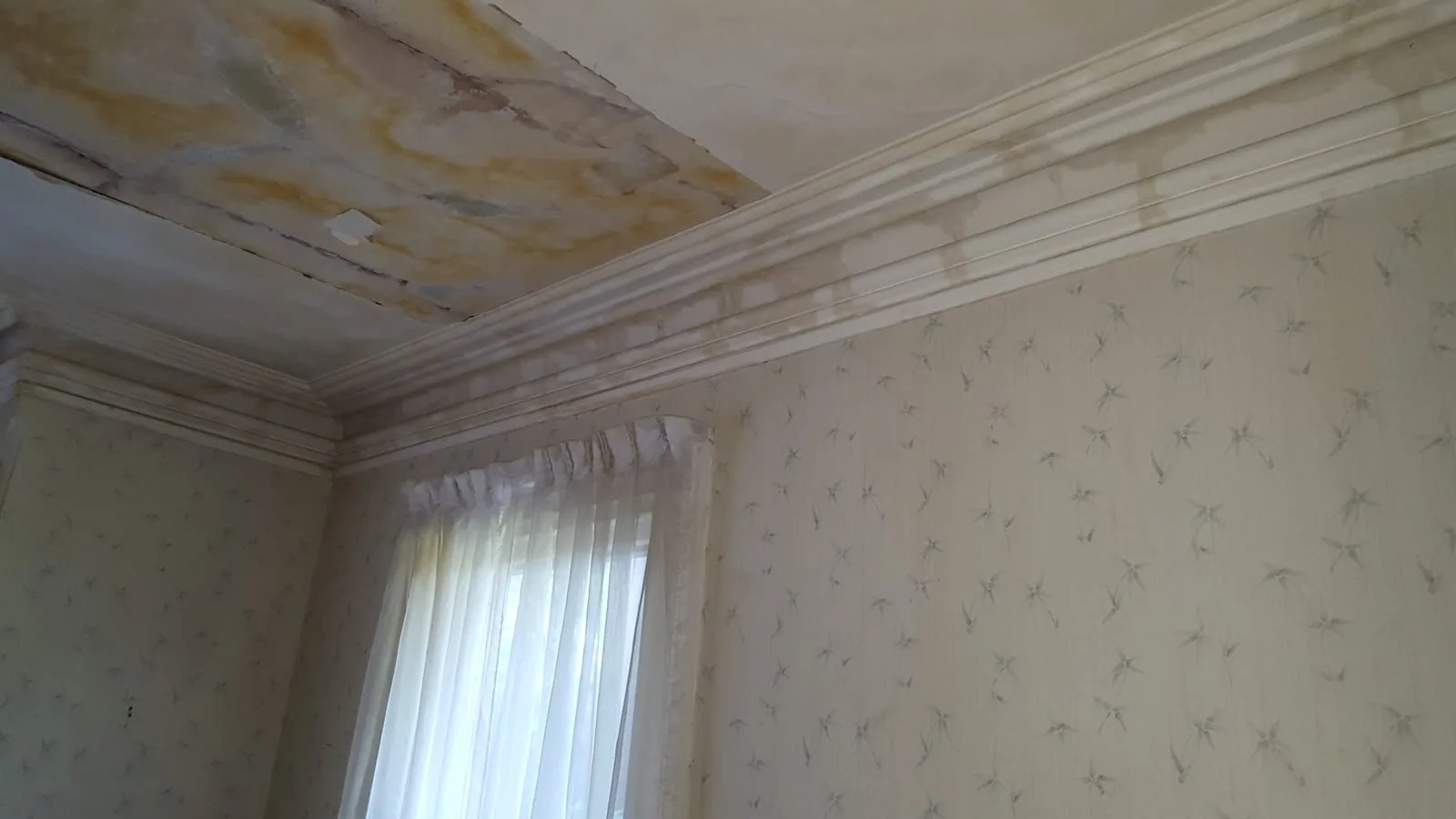
Yellow or Brown Stains on Ceilings or Walls
Water stains are a telltale sign of a leak above. Even if the stain looks dry, the source may still be active. Don't paint over it — find and fix the source first. Stains that expand or darken over days indicate ongoing infiltration, often from a failed shower pan, a slow roof leak, or a pinhole in a supply line.
Buckling or Warping Floors
Wood and laminate floors absorb moisture and begin to buckle or warp when exposed to sustained water. If sections of your floor feel soft or uneven, water damage is likely underneath — often from a slow pipe leak or appliance drip that's been running for weeks.
Peeling or Bubbling Paint
Paint that bubbles, cracks, or peels away from the wall is often a sign of moisture trapped behind it. This is especially common in bathrooms, kitchens, and walls shared with the exterior. The paint failure is downstream of the actual leak source — the real problem is inside the wall cavity.
A Musty or Damp Smell
A persistent musty odor — even without visible mold — often means mold is growing somewhere out of sight. Mold can begin growing within 24–48 hours of water exposure, which is why a quick mold inspection after any water event is critical. Trust your nose: if something smells off, investigate.
Increased Water Bills
A sudden spike in your water bill without a change in usage habits can indicate a hidden plumbing leak in your walls, slab, or underground supply line. Check your water meter with all fixtures off — if the dial moves, you have an active leak.
Rust or Corrosion on Pipes
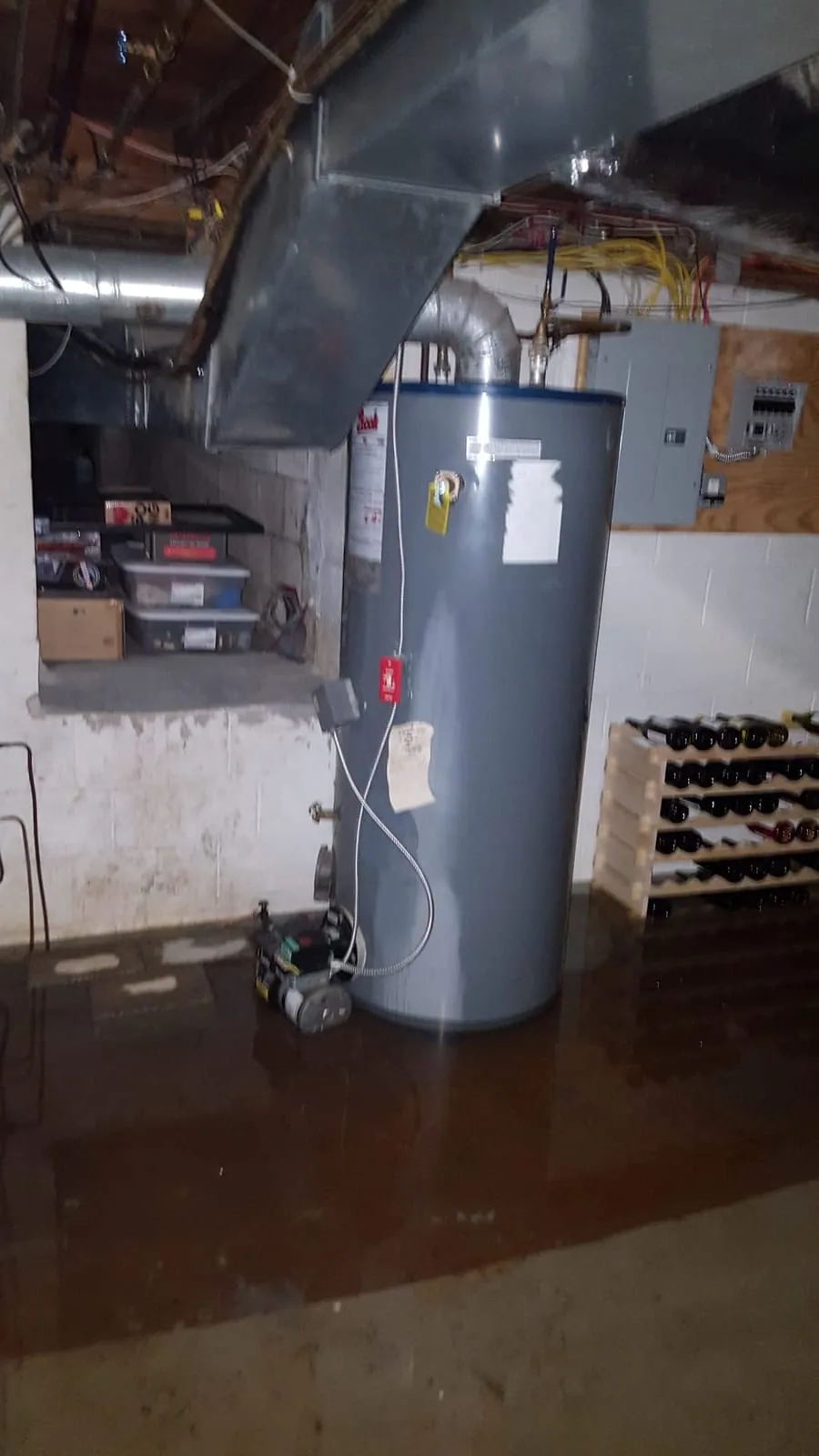
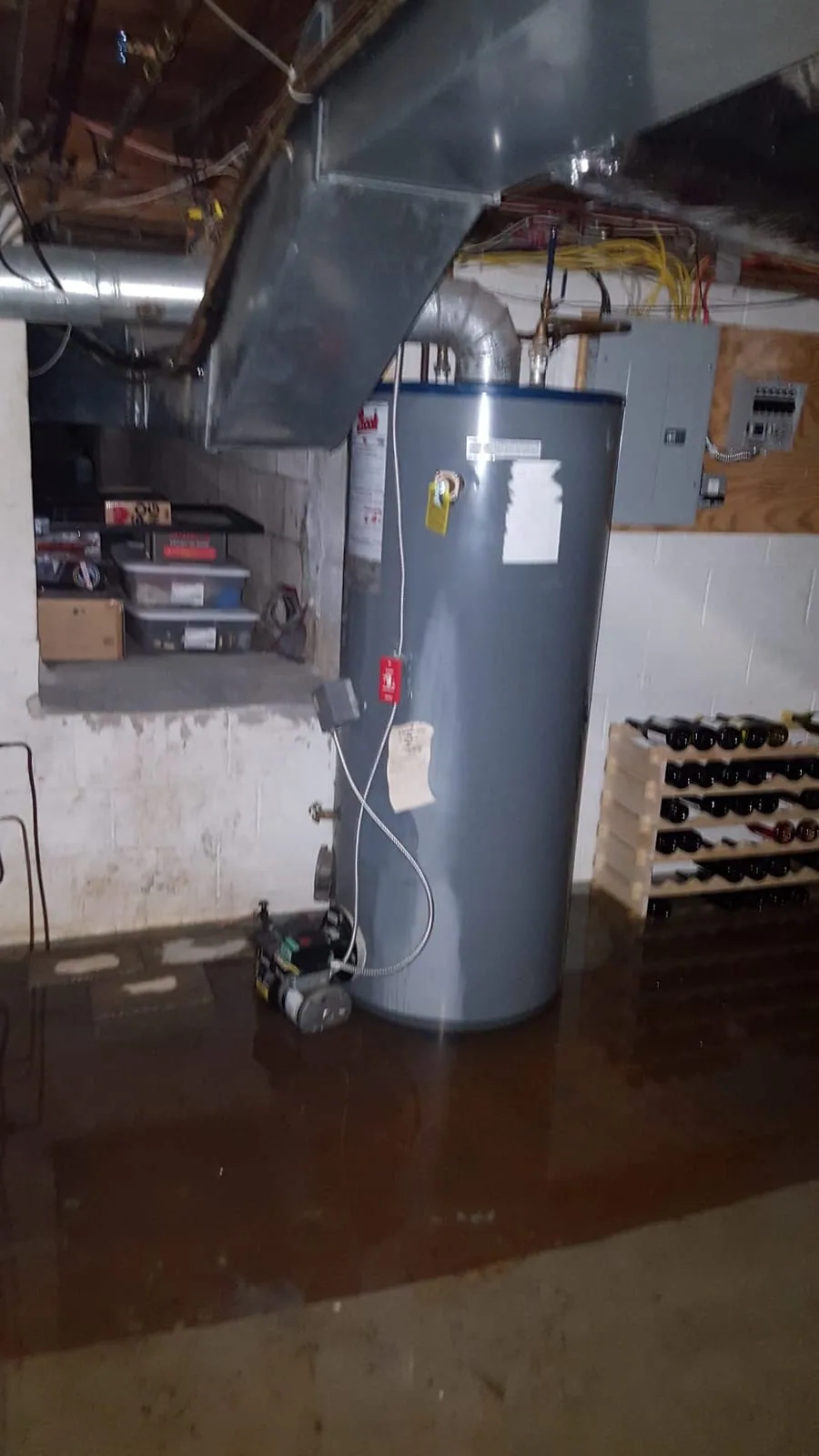
Rust-colored stains around pipe connections or on your water heater indicate moisture and corrosion — a sign that a leak may already be active or developing. Corrosion at a threaded joint often precedes a full burst by weeks or months.
Sagging or Soft Drywall
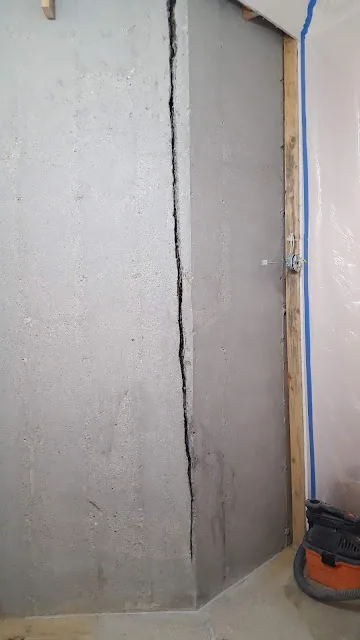
Drywall absorbs water quickly. Soft spots, sagging sections, or areas that crumble when pressed indicate water saturation that needs immediate attention — particularly in basements, where a flooded basement can occur without you noticing for days.
If you notice any of these signs in your Fairfield County or Westchester County home, don't wait. Contact 911 Storm for a free assessment — we respond in 60 minutes across every town from Greenwich to White Plains.
Frequently Asked Questions
How quickly should I act if I see water damage signs?+
Within 24 hours whenever possible. Mold can begin growing within 24–48 hours of water exposure, and hidden damage compounds with each hour of saturation. Quick action also preserves more of your belongings and keeps insurance costs lower.
Can I dry out minor water damage myself?+
For a small, clean-water spill caught within hours, yes — towels, fans, and dehumidifiers can handle it. For anything involving saturated drywall, subflooring, or contaminated water, professional equipment and moisture verification are essential to prevent hidden mold.
Will my homeowners insurance cover water damage?+
Most HO-3 policies cover sudden and accidental water damage (burst pipes, appliance failures). They typically don't cover gradual leaks, flooding from outside, or sewer backup without a separate endorsement. A restoration company like 911 Storm can help you understand your coverage.
How do I find a hidden water leak?+
Look for warm or cold spots on walls and ceilings, listen for running water when fixtures are off, check your water meter with everything shut off, and watch for increases in your water bill. Thermal imaging and moisture meters (which we use professionally) are the most reliable way to pinpoint hidden leaks.
Related Services
Raf Volkov
Raf has personally supervised more than 100 restoration projects across Fairfield County, CT and Westchester County, NY since 2003. He holds IICRC Water Damage Restoration (2016), IICRC Fire & Smoke Restoration (2016), Goldmorr AIM Mycotoxin Remediation, EZ Breathe Installer, and Stego Vapor Barrier / ASTM E1643 certifications — attending manufacturer trainings every year. Every protocol on this site is built on standards he's trained and re-trained in.