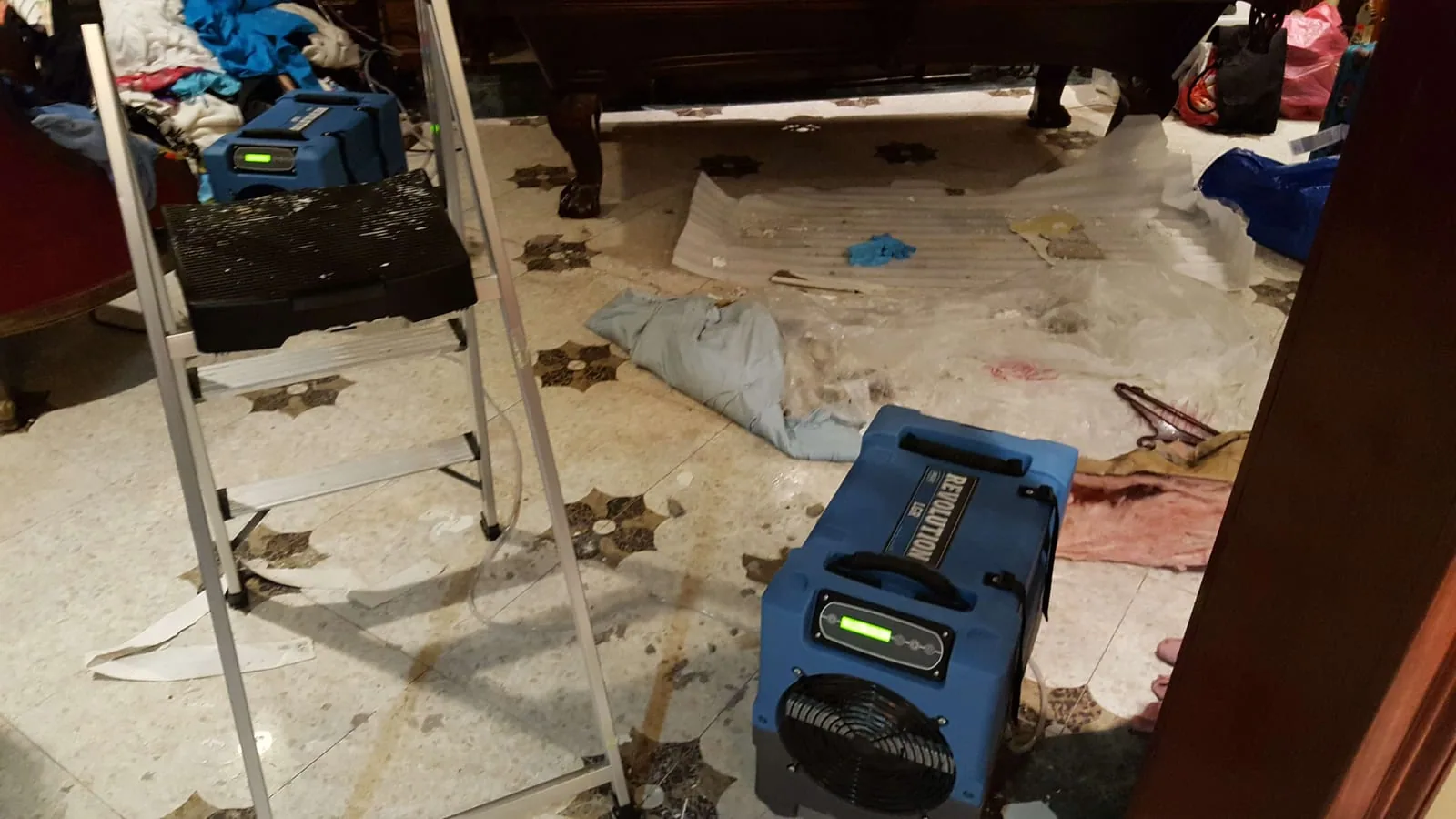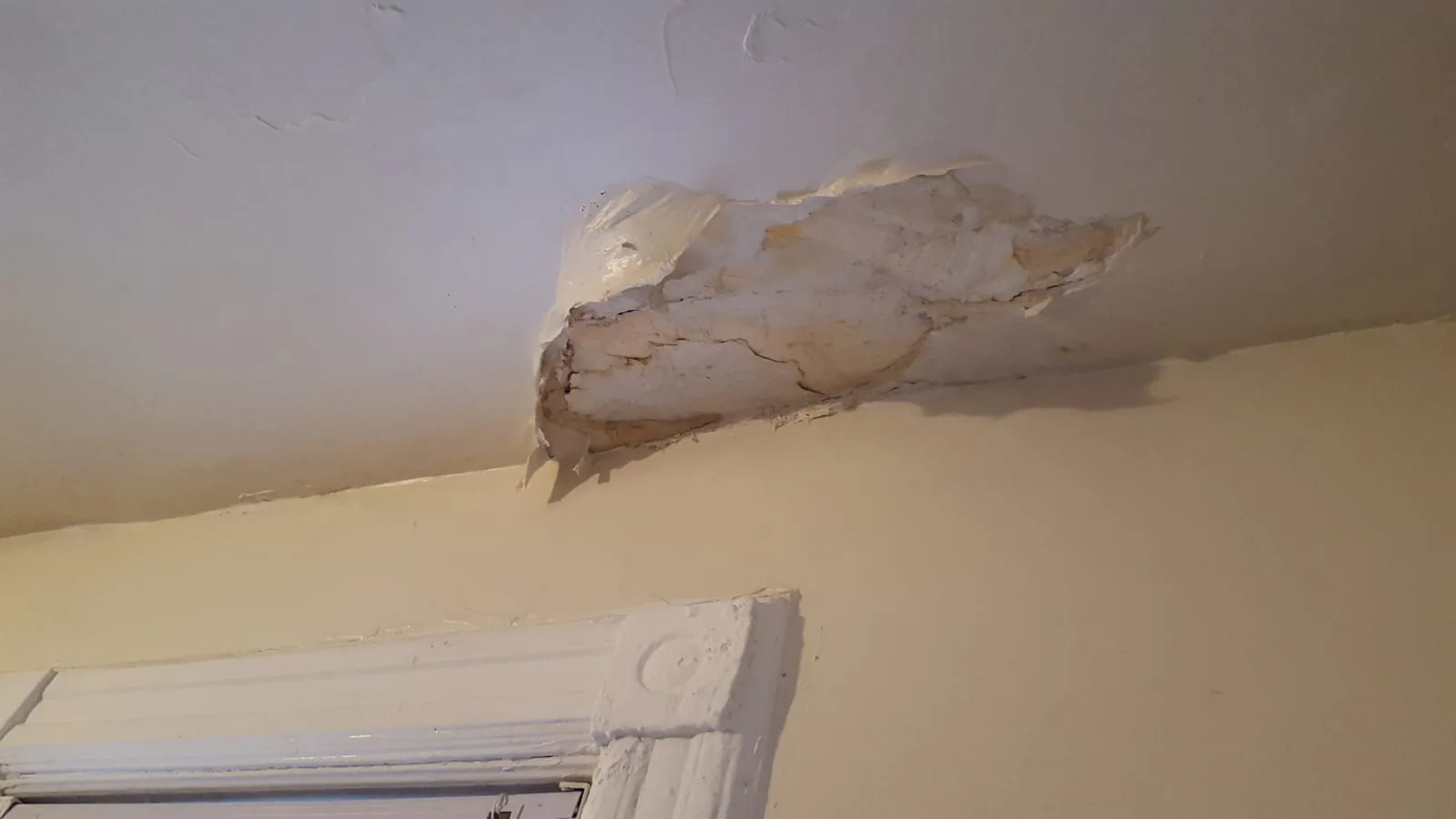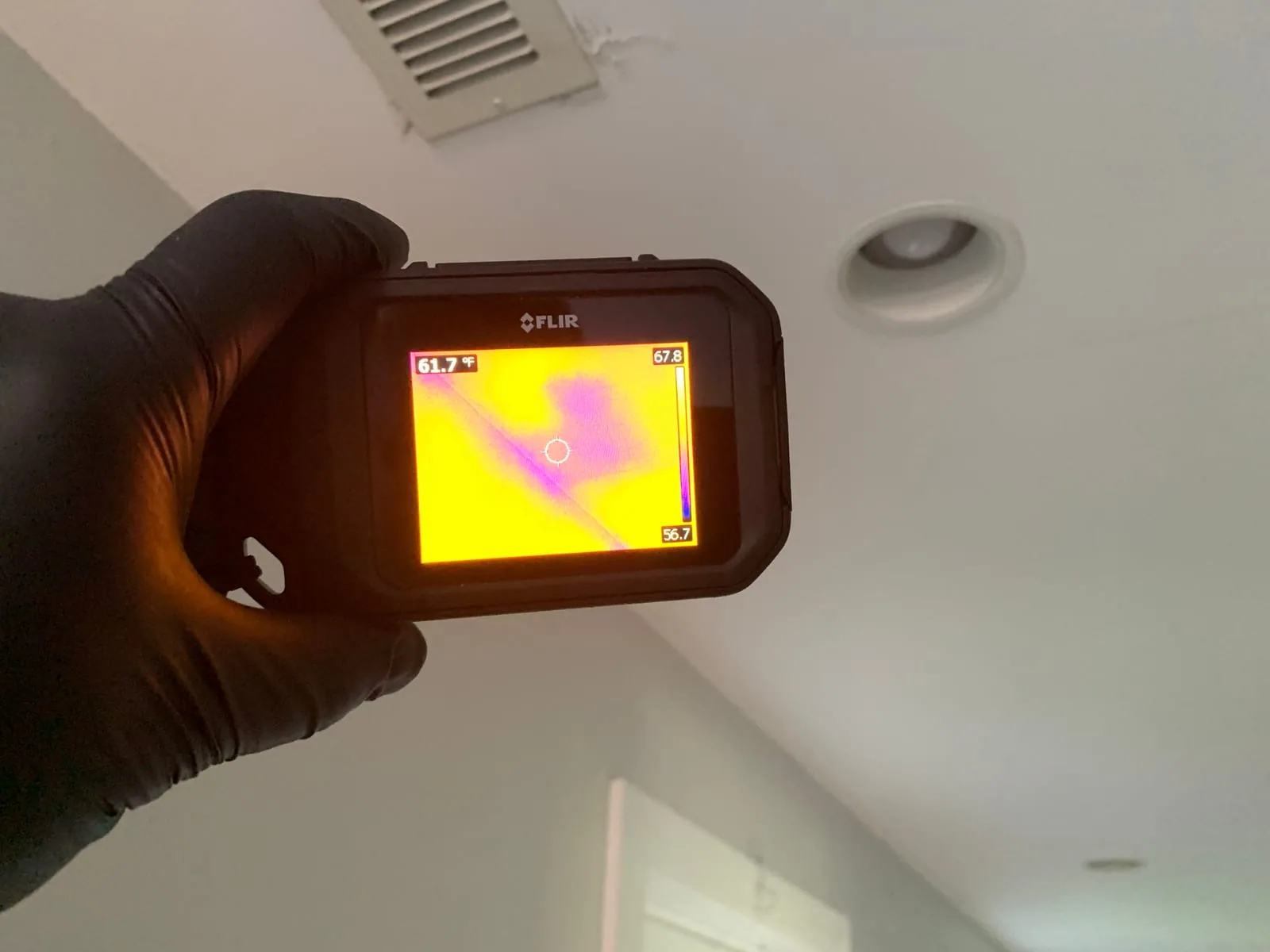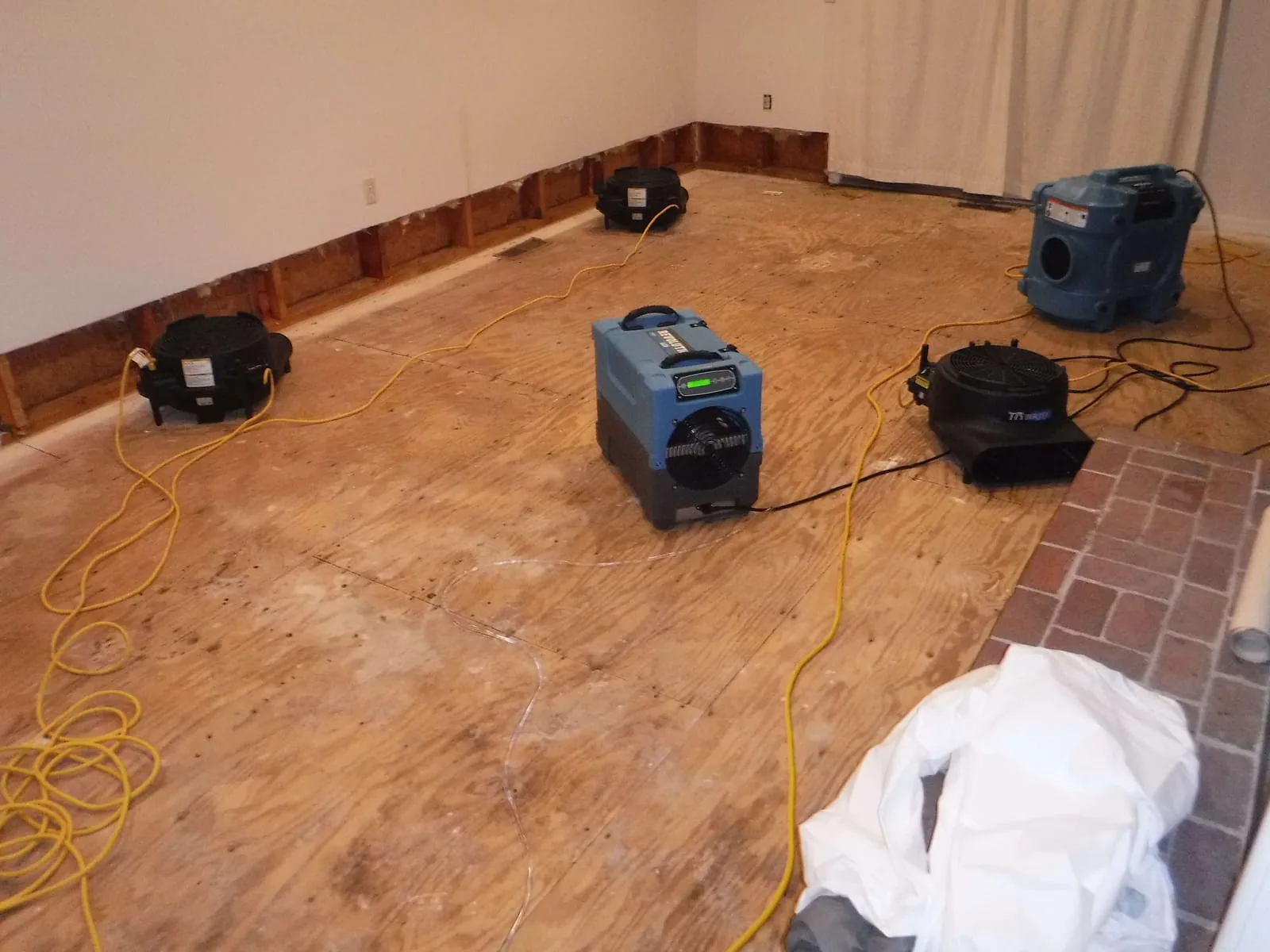

The Atlantic hurricane season runs from June 1 through November 30. For Fairfield County and Westchester County homeowners, that means six months of elevated risk from tropical storms, hurricane remnants, and powerful nor'easter systems that can dump 6+ inches of rain and drive 70+ mph winds across Long Island Sound. 911 Storm's storm damage restoration crews work thousands of hours each season — and the homes that survive with minimal damage almost always share the same prep patterns.
30 Days Before Peak Season: Exterior Inspection
- Roof — Replace damaged shingles, reseal around penetrations, check flashing
- Gutters and downspouts — Clean thoroughly, confirm 6+ foot extensions from foundation
- Trees — Trim branches within 10 feet of structures, remove dead limbs
- Outdoor furniture and grills — Anchor or identify indoor storage plan
- Windows and doors — Check weatherstripping, verify storm window fit if applicable
7 Days Before a Named Storm: Active Prep
- Charge all devices, power banks, and flashlights
- Fill prescription medications
- Stock 3+ days of water (1 gallon per person per day) and non-perishable food
- Fuel vehicles and generator
- Photograph every room and exterior angle — critical for insurance claims
- Review your insurance policy — know your deductibles and coverages
- Identify evacuation routes and shelter locations
24–48 Hours Before Impact
- Bring in or anchor all loose outdoor items
- Board up windows if a hurricane is forecast
- Close and latch storm shutters
- Move vehicles to higher ground if flood risk exists
- Turn refrigerator and freezer to coldest settings
- Fill bathtubs and large containers with water
During the Storm
- Stay away from windows
- Do not use elevators
- Monitor local emergency alerts (NWS, local town emergency management)
- Document any damage as it occurs (photos/video from safe vantage)
Immediately After the Storm
- 1Check for safety hazards — downed power lines, gas leaks, structural damage
- 2Document damage thoroughly — every room, every exterior angle
- 3Prevent further damage — tarp roof holes, cover broken windows, extract standing water
- 4Call your insurance carrier
- 5Contact a restoration professional
Special Considerations for Coastal CT/NY
Communities along Long Island Sound — Old Greenwich, Rowayton, Rye, Mamaroneck — face storm surge risk in addition to wind and rain. Homes in mapped flood zones should carry NFIP flood insurance separately from homeowners insurance.
Our 60-minute emergency response covers every town in our service area — from Westport to Larchmont. We handle emergency tarping, board-up, tornado damage, water extraction, and full post-storm restoration.
Frequently Asked Questions
Do I need flood insurance if I'm not on the coast?+
Possibly. Inland flash flooding affected Mamaroneck, White Plains, and many inland Fairfield communities during Hurricane Ida. Check FEMA flood maps and ask your agent about Preferred Risk Policies for low-risk zones.
How early should I evacuate if ordered?+
Immediately. Evacuation routes often jam 24 hours before storm impact. Don't wait until the last minute — coastal residents should leave as soon as orders are issued.
Are hurricane deductibles separate from regular deductibles?+
Often yes — many CT/NY policies have named-storm or hurricane deductibles of 2-5% of dwelling coverage, much higher than standard deductibles. Know yours before storm season.
What's the first thing to do after the storm passes?+
Ensure safety (downed lines, gas, structural damage), then document every bit of damage with photos before any cleanup. The documentation you take in the first hour shapes your entire insurance claim.
Related Services
Raf Volkov
Raf has personally supervised more than 100 restoration projects across Fairfield County, CT and Westchester County, NY since 2003. He holds IICRC Water Damage Restoration (2016), IICRC Fire & Smoke Restoration (2016), Goldmorr AIM Mycotoxin Remediation, EZ Breathe Installer, and Stego Vapor Barrier / ASTM E1643 certifications — attending manufacturer trainings every year. Every protocol on this site is built on standards he's trained and re-trained in.