
Plumbing Leaks
Detection and remediation of hidden plumbing leaks causing silent damage.
Our Plumbing Leaks Process
Emergency Call
Call our 24/7 line — crew dispatched immediately.
60-Min Arrival
We arrive, assess, and brief you on the plan.
Mitigation
Stop damage from spreading — fast.
Full Restoration
Certified restoration to pre-loss condition.
Plumbing Leaks in Fairfield County, CT & Westchester County, NY
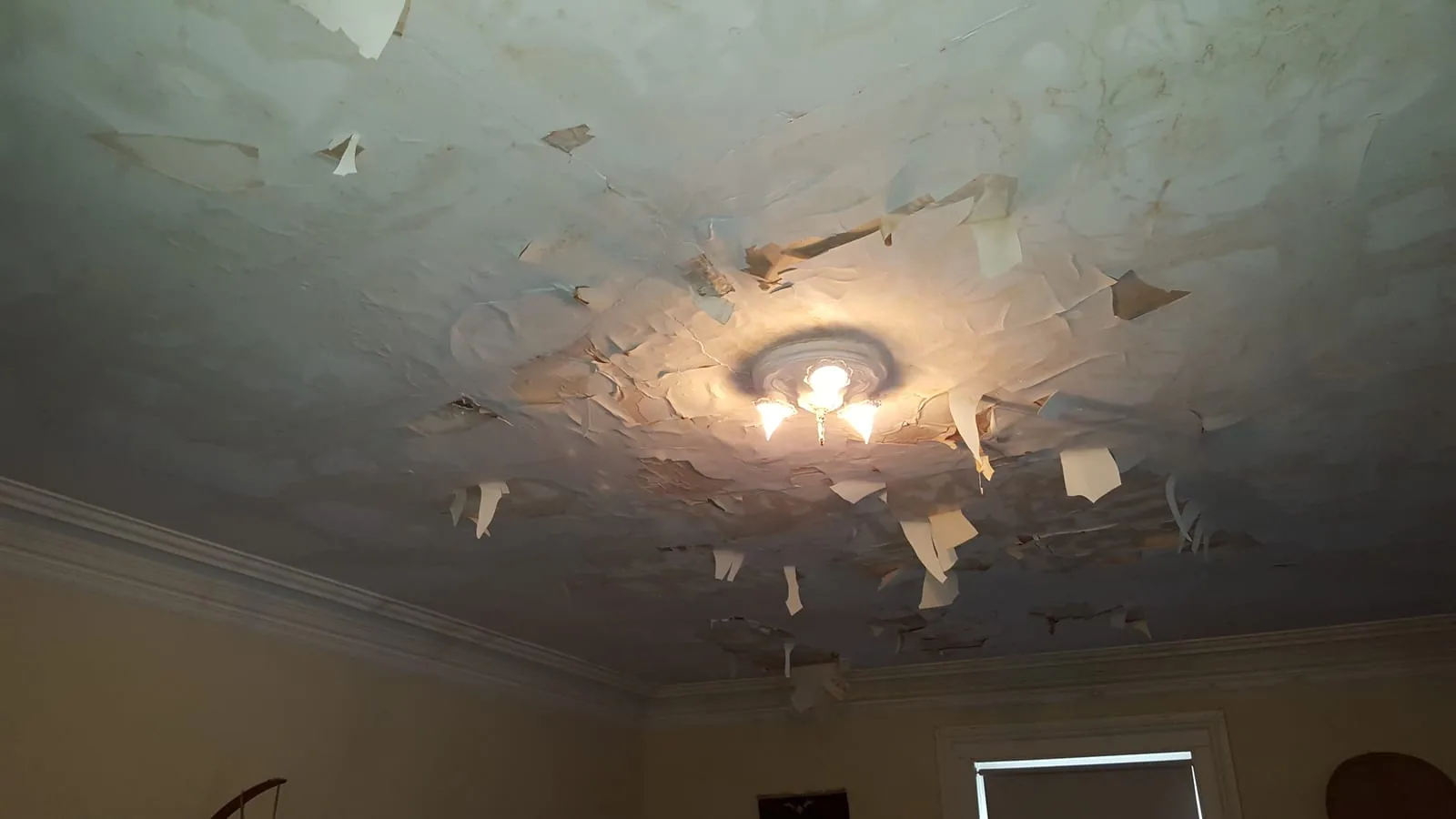
Plumbing leaks are the silent water damage problem. Unlike burst pipes (loud, sudden, immediately discovered) plumbing leaks often run for weeks or months before anyone notices — pinhole leaks in copper supply lines behind walls, slow drips from failing slip joints under sinks, deteriorating shower pan seals letting water under tile, leaking toilet wax rings depositing moisture into the subfloor below. By the time the homeowner sees a ceiling stain, paint blistering, or a musty smell, mold has typically established and the scope is multiples larger than a same-day-discovered leak would have been.
911 Storm provides plumbing leak detection and water damage remediation across Fairfield County, CT and Westchester County, NY. We use FLIR thermal imaging, moisture meters, and inspection cameras to locate hidden leaks, then provide IICRC S500-compliant mitigation of the resulting water damage. We coordinate with quality plumbers for the actual leak repair (separate trade). Insurance coverage is mixed depending on whether the carrier treats the leak as sudden-discovery or gradual.
Common hidden plumbing leak locations
Behind shower walls — failing pan seals, deteriorating grout, leaking valve bodies. Water drips down into the subfloor and bottom-floor ceiling, often discovered only when a ceiling stain appears. Under kitchen sinks — failing slip joints on the P-trap, leaking supply lines, dishwasher hose seepage. Often found by homeowner during routine cleaning but sometimes runs hidden into cabinet floor for weeks. In wall cavities — pinhole copper leaks (common on aging copper supply lines), failing solder joints, leaking valve stems. Almost always discovered late.
Behind washing machines and dishwashers — failing supply hose connections, leaking drain hoses. Toilet base — failing wax ring under the toilet, leaking water onto the subfloor. Water heater connections — leaking unions, T&P valve discharge into utility room floor. Each location has its own diagnostic signs and each requires careful moisture mapping to determine the affected scope before repair.
How we find hidden plumbing leaks
FLIR thermal imaging identifies temperature differential at active leak sites — cooler areas indicate evaporative cooling from wet substrate behind walls and under floors. Calibrated pin and pinless moisture meters confirm moisture content at specific test points. Inspection cameras enter wall cavities through small access holes to visually verify leak location. We then map the affected area (often larger than the visible damage suggests) for IICRC S500 mitigation scope.
Cost of leak detection alone (without repair or mitigation) typically $150-$500 depending on diagnostic complexity. Most homeowner insurance policies include leak detection coverage as part of the water damage claim when the leak is determined to be a sudden-discovery covered event — adjuster covers detection cost as part of the loss investigation.
Sudden discovery vs gradual leak — the insurance question
Standard homeowner policies cover sudden-and-accidental water damage but exclude gradual leaks. The distinction matters: a pinhole leak that has been dripping for six months is gradual (excluded); the moment of discovery and the resulting damage cascade can sometimes be argued as sudden (covered). The carrier's adjuster reviews the evidence and assigns coverage.
Our documentation supports the sudden-discovery argument when supportable: photos showing fresh damage, no pre-existing stains in the area, plumber confirmation of the failure mode (e.g., compression fitting failure vs visible long-term corrosion). On gradual leak denials, the homeowner pays out of pocket — but at least the mitigation scope is then minimized, not the carrier-paid full reconstruction.
Related Water Damage Services
Plumbing Leaks Near You
Covered loss? We bill your insurance carrier directly — and our CT insurance claim guide walks the whole process. Estimate your scope with the cost calculator.
How Long Does Plumbing Leaks Take?
Every job is different, but here's a realistic timeline for most plumbing leaks projects.
Emergency Call
0 minCall our 24/7 dispatch — crew assigned immediately.
On-Site Arrival
~60 minIICRC-certified crew arrives, assesses, and presents plan.
Water Extraction
Day 1 (1-4 hrs)Truck-mounted extractors remove standing water, 500+ GPM.
Structural Drying
Day 2-7Air movers + LGR dehumidifiers, daily moisture verification.
Clearance + Rebuild
Day 7-14+Thermally verified dryness, then drywall, flooring, finish.
Timelines vary with scope, insurance adjuster response, and hidden damage discovered during work. Your detailed timeline is given after the on-site assessment.
Common Questions
Plumbing Leaks FAQ
How do I know I have a hidden plumbing leak?
Common signs: musty smell with no obvious source, ceiling stain (especially expanding over time), bubble or blister in wall paint, soft drywall when pressed, warped or cupping hardwood near a wet area, elevated water bill suggesting active leak, mold spotting on baseboards or behind furniture, condensation on cold-water pipes (different issue but worth noting). Call us for free on-site leak detection with thermal imaging if any of these are present.
Will my insurance cover plumbing leak damage?
Depends on whether the carrier treats it as sudden-discovery (covered) or gradual leak (excluded). Documentation matters — fresh damage, no pre-existing stains, plumber confirmation of sudden failure mode supports coverage. Gradual leaks that the carrier argues should have been discovered earlier are typically denied. We document supportively and walk you through coverage realistic expectations before submission.
How quickly can you find a hidden leak?
On-site leak detection typically takes 30-90 minutes including FLIR thermal imaging, moisture mapping, and inspection camera entry where needed. Detection cost $150-$500. Most homeowners book detection before mitigation when the source is unclear — once we identify the leak, we coordinate plumber repair and begin water mitigation as separate-scoped work.
Do I need to do anything before you arrive?
Don't disturb the area — leave wet drywall, stained ceiling, or visible mold growth in place so we can document and accurately map the affected scope. Don't apply any cleaners, paint over the area, or attempt repair before detection. Shut the water main valve if you suspect active high-flow leak. Otherwise, normal usage of unrelated water fixtures is fine until we arrive.
Can a small drip really cause significant damage?
Yes. A drip rate of 1 drop per second equals roughly 5 gallons per day, or 150 gallons per month. Sustained over weeks behind a wall, that's enough to saturate framing, drywall, and insulation; trigger mold growth; rot wood substrates; and require multi-thousand-dollar reconstruction. Small leaks discovered early are inexpensive fixes. The same leak discovered six months later is often a major restoration.
Damage Doesn't Wait — Neither Do We
60-minute response. Free estimate. We handle your insurance claim.
IICRC Certified • Licensed & Insured • All Major Insurance Carriers