
Flood Damage
Storm flood cleanup and full structural drying for your home or business.
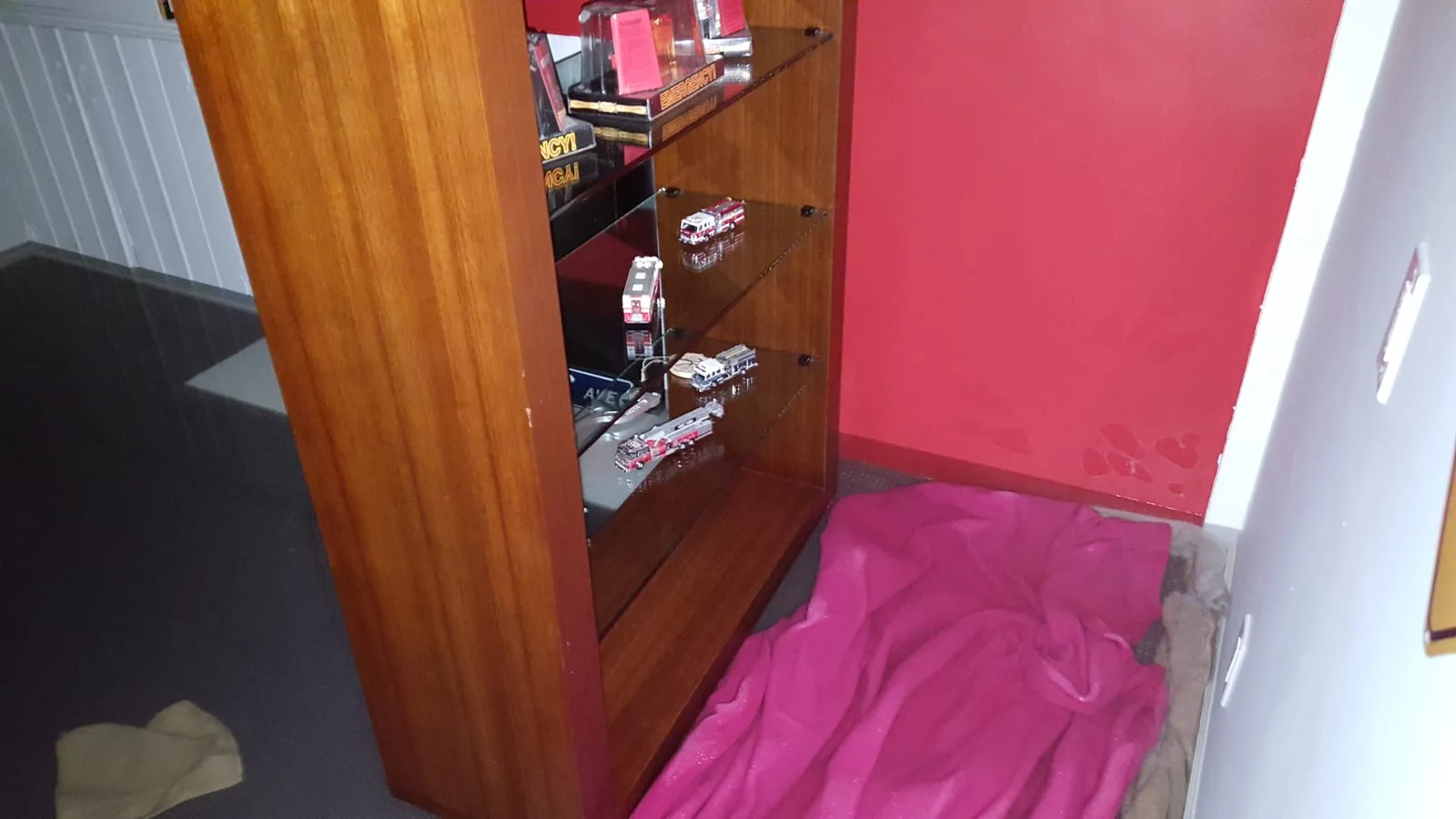
Our Flood Damage Process
Emergency Call
Call our 24/7 line — crew dispatched immediately.
60-Min Arrival
We arrive, assess, and brief you on the plan.
Mitigation
Stop damage from spreading — fast.
Full Restoration
Certified restoration to pre-loss condition.
Flood Damage in Fairfield County, CT & Westchester County, NY
Flood damage is one of the most misunderstood insurance categories in our market. The technical definition matters: "flood" in the insurance sense means rising surface water from rivers, storm drains, or storm surge below the building envelope. That kind of damage is excluded from standard homeowner property policies and requires separate flood coverage (federal NFIP or private excess flood policy). Water entering through a wind-breached roof or window during the same storm is treated differently — that's covered wind damage on the property policy.
911 Storm responds to flood damage of every cause across Fairfield County, CT and Westchester County, NY: storm surge in coastal Belle Haven and Old Greenwich, river overflow along the Mianus and Saugatuck rivers, sewer surcharge in central Scarsdale, snowmelt foundation infiltration in backcountry Greenwich, hurricane-driven combined wind-and-surge events. The mitigation work is similar to other water losses — extraction, drying, antimicrobial treatment, demolition where required — but the insurance coordination requires care to identify which loss components fall under which policy.
Storm surge vs wind-driven rain vs municipal flood — why it matters
Insurance distinguishes three flood-like scenarios. Storm surge: ocean water pushed inland by hurricane or major nor'easter, entering the building below grade. Excluded from standard property policy, covered only by separate flood insurance. Wind-driven rain: rain entering through a roof or window breach caused by storm wind — covered as wind damage on the standard policy. Municipal flood: water backing up through storm drains or sewer system during heavy rain — covered by water-backup endorsement on the property policy, not by standard property coverage and not by NFIP flood policy.
On a single major storm event, a Fairfield County coastal home may experience all three: storm surge in the basement (NFIP claim), wind-driven rain through a damaged window (property claim), and sewer backup through a basement floor drain (water-backup endorsement claim). Three separate coverage scopes, three sets of documentation requirements. We split the scope appropriately in our reporting to your carriers.
Cat 3 protocol for surface flood water
Flood water — whether from a river, ocean, or municipal storm drain — is classified Category 3 (grossly contaminated) under IICRC S500 by default. Cat 3 protocol requires full PPE (Tyvek, respirators), demolition of porous materials the water touched (carpet pad, lower drywall, batt insulation, particleboard), antimicrobial treatment of all remaining surfaces, biohazard disposal, and longer post-mitigation verification. Even clean-looking flood water carries microbiological contamination, fuel residue from flooded vehicles, and chemical contamination from flooded businesses upstream.
Treating flood water as Cat 1 or Cat 2 is a common shortcut that creates mold problems weeks later. We treat all surface flood water as Cat 3 by default unless lab testing demonstrates otherwise.
What flood damage typically looks like in our market
Belle Haven, Old Greenwich, Tokeneke, Shippan Point, Saugatuck, Milton Point Rye — coastal storm surge during major nor'easters and hurricanes. Cos Cob, Saugatuck, and properties along Mianus River — river overflow during heavy rain. Scarsdale, Bronxville, central Westchester villages — municipal sewer surcharge during heavy rain. Backcountry Greenwich, Round Hill, New Canaan, Bedford — chronic foundation seepage from clay-soil hydrostatic pressure during prolonged rain and snowmelt. Each pattern has its own insurance considerations and we know each one well.
Related Water Damage Services
Flood Damage Near You
Covered loss? We bill your insurance carrier directly — and our CT insurance claim guide walks the whole process. Estimate your scope with the cost calculator.
How Long Does Flood Damage Take?
Every job is different, but here's a realistic timeline for most flood damage projects.
Emergency Call
0 minCall our 24/7 dispatch — crew assigned immediately.
On-Site Arrival
~60 minIICRC-certified crew arrives, assesses, and presents plan.
Water Extraction
Day 1 (1-4 hrs)Truck-mounted extractors remove standing water, 500+ GPM.
Structural Drying
Day 2-7Air movers + LGR dehumidifiers, daily moisture verification.
Clearance + Rebuild
Day 7-14+Thermally verified dryness, then drywall, flooring, finish.
Timelines vary with scope, insurance adjuster response, and hidden damage discovered during work. Your detailed timeline is given after the on-site assessment.
Common Questions
Flood Damage FAQ
Is flood damage covered by my homeowner policy?
Surface flood (rising water from rivers, storm drains, or storm surge below the structure) is excluded from standard property policies. You need separate NFIP flood insurance or private excess flood coverage. Wind-driven rain through a breached envelope is covered as wind damage on the standard property policy. Sewer backup is covered if you have the water-backup endorsement. We help split the scope across the right coverage.
Do I need flood insurance if I live in Belle Haven, Old Greenwich, or Tokeneke?
Yes. If your property sits in a FEMA flood zone (most coastal Fairfield/Westchester properties do), flood insurance is typically required by federally-backed mortgages and is strongly recommended regardless. NFIP covers up to $250K dwelling / $100K contents. Excess flood policies from HNW carriers (Chubb, AIG Private Client, PURE) cover above NFIP limits. Add the coverage BEFORE storm season, not after a named storm is approaching.
What category is flood water under IICRC S500?
Category 3 (grossly contaminated) by default. Surface flood water carries microbiological contamination, fuel residue, and chemical contamination from upstream sources, even when it looks clean. Cat 3 protocol requires full PPE, demolition of porous materials, antimicrobial treatment, and biohazard disposal — much more aggressive than Cat 1 or Cat 2 cleanup.
Can flooded contents and furniture be saved?
Hard contents (sealed surfaces — metal, sealed wood, china, glass, electronics if processed quickly) can often be professionally cleaned. Soft goods (upholstery, carpet, plush items, fabric-wrapped electronics, particleboard furniture) are generally unsalvageable on Cat 3 flood losses and are documented as contents loss for replacement under your policy. Documents and photographs can sometimes be freeze-dried for recovery if processed quickly.
How long does flood damage restoration take?
Cat 3 flood mitigation takes longer than standard water damage because of the additional demolition and biohazard protocols. Typical timeline: 10-21 days for mitigation including biohazard removal, antimicrobial treatment, drying, and clearance verification. Reconstruction adds 2-6 weeks depending on scope. Major flood events with widespread damage to multiple homes extend timelines because specialty trades and rebuild crews backlog.
Damage Doesn't Wait — Neither Do We
60-minute response. Free estimate. We handle your insurance claim.
IICRC Certified • Licensed & Insured • All Major Insurance Carriers