
Storm & Hurricane Damage
Emergency storm response: tarping, board-up, debris removal, and full structural restoration.
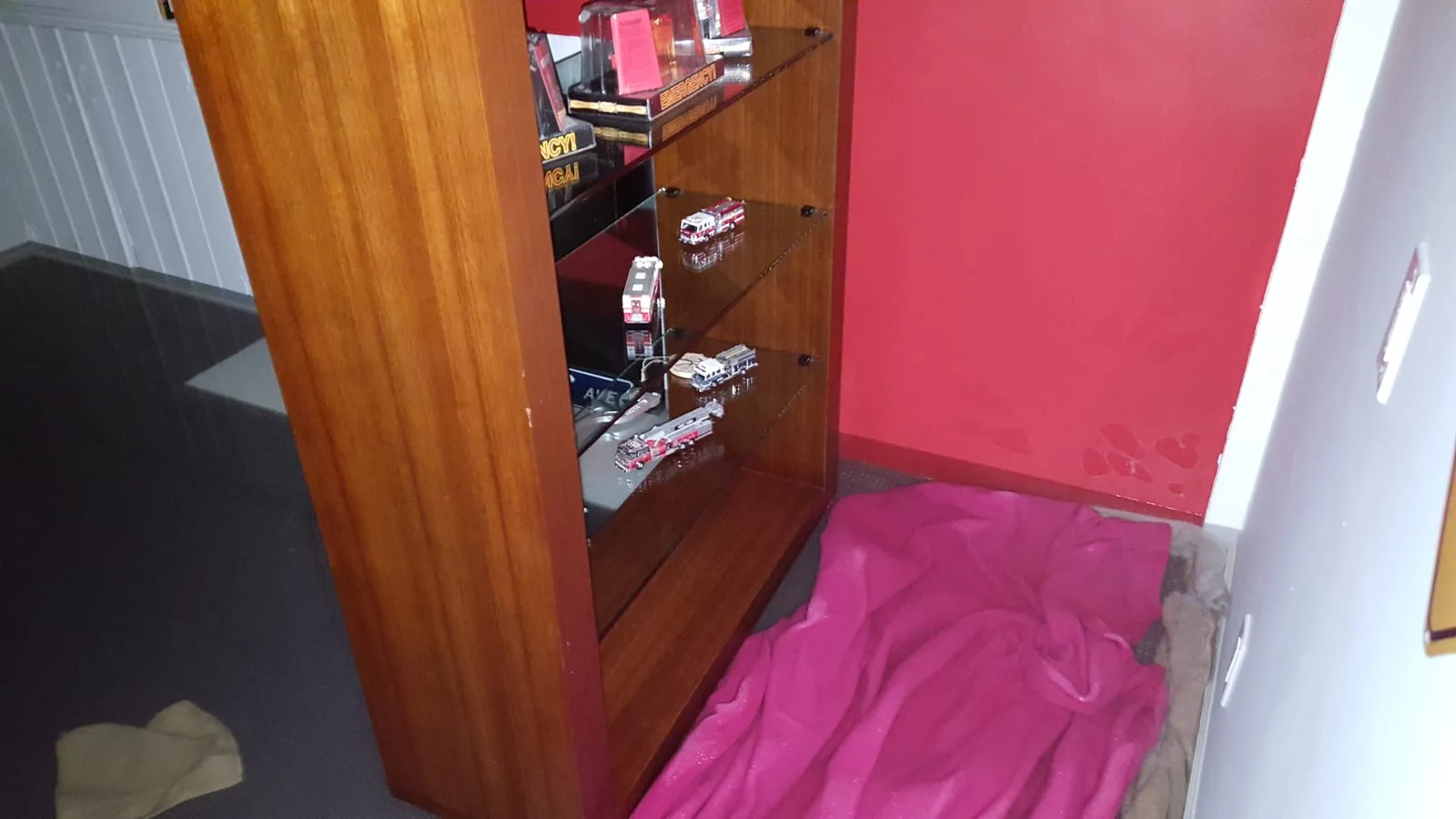
Our Storm & Hurricane Damage Process
Emergency Call
Call our 24/7 line — crew dispatched immediately.
60-Min Arrival
We arrive, assess, and brief you on the plan.
Mitigation
Stop damage from spreading — fast.
Full Restoration
Certified restoration to pre-loss condition.
Storm & Hurricane Damage in Fairfield County, CT & Westchester County, NY
Storm and hurricane damage spans the full range of weather-driven property loss we respond to across Fairfield County, CT and Westchester County, NY: nor'easter wind-driven rain through compromised windows, hurricane storm surge along Belle Haven and Old Greenwich coastline, fallen trees breaching roofs in backcountry Greenwich and Bedford, ice storm structural compromise, prolonged power outages producing secondary damage in unheated buildings. Each event has its own emergency stabilization, water mitigation, structural repair, and insurance coordination considerations.
911 Storm dispatches storm damage emergency response across all 67 cities in our service area, with crews equipped and trained for tarping in marginal weather conditions, emergency board-up of breached openings, debris removal, and parallel IICRC S500 water mitigation. We are direct-billed by every major property carrier in our market with established adjuster relationships that compress authorization timelines during major events when carriers process thousands of claims simultaneously.
Nor'easter vs hurricane — what triggers what deductible
Most coastal CT and NY property policies carry two separate deductibles: a standard fixed-dollar deductible (typically $1,000-$5,000) for routine claims, and a hurricane deductible (percentage of dwelling, typically 1-5%) that triggers only when the National Weather Service officially declares a hurricane affecting the state. Critical distinction: most nor'easter events, even ones with sustained winds equivalent to a Category 1 hurricane, are NOT technically hurricanes and do not trigger the hurricane deductible. Standard deductible applies.
On a $2M Greenwich dwelling with 2% hurricane deductible, the difference between $2,500 standard and $40,000 hurricane is significant. We help homeowners read their specific policy's trigger language before disputes arise. The most common dispute: carrier argues hurricane deductible should apply; homeowner argues nor'easter triggered the damage. NWS declaration history is the objective reference.
Storm surge vs wind-driven rain — different coverage paths
Wind and storm-driven rain entering through wind-breached envelope (roof, window, siding) is covered as wind damage on standard property policy. Storm surge — ocean water pushed inland during hurricane or major coastal storm, entering the building below grade — is excluded from standard property policy and covered only by separate flood insurance (NFIP up to $250K dwelling, private excess flood above).
On a single major coastal event, the same Greenwich or Old Greenwich home may experience both: wind-driven rain through a roof breach (property policy claim) AND storm surge water in the basement (flood policy claim). Two separate scopes, two adjusters, two coverage paths. We split the scope appropriately in our documentation to support both claims correctly.
Emergency stabilization within the first 24 hours
Roof tarping over breached areas to prevent ongoing water intrusion. Board-up of broken windows and damaged exterior doors. Removal of fallen tree branches and debris that has entered the structure. Coordination with utility companies if power lines or gas service is compromised. Parallel water mitigation — IICRC S500 extraction and drying of any water that entered during the storm.
Emergency stabilization is typically billed as a separate emergency-priority line item on the insurance claim, distinct from the eventual full restoration scope. Carriers pre-authorize reasonable emergency tarping and board-up before formal scope review during major events — we begin work and document for retroactive scope approval. Delay during this phase is the single biggest factor driving total claim cost on storm damage.
Related Storm Damage Services
Covered loss? We bill your insurance carrier directly — and our CT insurance claim guide walks the whole process. Estimate your scope with the cost calculator.
How Long Does Storm & Hurricane Damage Take?
Every job is different, but here's a realistic timeline for most storm & hurricane damage projects.
Emergency Call
0 min24/7 dispatch during active weather or immediate aftermath.
Emergency Tarping
~60 minRoof tarp, window board-up, debris security.
Water Extraction + Mitigation
Day 1-3Rain intrusion extraction, damaged material removal.
Drying + Restoration
Day 3-14Full structural drying, cleanup, mold prevention.
Reconstruction
Day 14-45+Roof, siding, windows, interior finishes rebuilt.
Timelines vary with scope, insurance adjuster response, and hidden damage discovered during work. Your detailed timeline is given after the on-site assessment.
Common Questions
Storm & Hurricane Damage FAQ
How fast can you respond during an active storm?
Response speed depends on conditions. During active hurricane-force sustained winds (75+ mph), rooftop work is unsafe and we hold dispatch until winds drop below safe operating thresholds. Standard nor'easter or severe thunderstorm conditions, we dispatch within 60 minutes of call. During major events with widespread damage across our market, response may extend to 4-12 hours as crews work through priority queue. Calling early during the event puts you higher in queue.
What's the difference between hurricane deductible and standard deductible?
Standard deductible (typically $1,000-$5,000 fixed) applies to most claims. Hurricane deductible (percentage of dwelling coverage, typically 1-5%) applies only when NWS officially declares a hurricane affecting the state. Most nor'easter events do NOT trigger hurricane deductible despite high winds. Real example: $2M Greenwich dwelling with 2% hurricane deductible = $40K hurricane deductible vs $2,500 standard. Critical to know which applies before scope approval.
Do I need flood insurance for storm damage?
Standard property policies exclude flood (rising surface water, river overflow, storm surge below structure). Coastal CT/NY properties in FEMA flood zones typically require flood insurance through federally-backed mortgages, strongly recommended regardless. NFIP up to $250K dwelling / $100K contents. Excess flood from HNW carriers (Chubb, AIG PC, PURE) above NFIP limits. Verify coverage BEFORE storm season — adding after a named storm is named is typically too late.
How long does storm damage restoration take?
Limited damage (roof patch + interior water mitigation): 5-14 days. Moderate (partial roof + multi-room reconstruction): 30-60 days. Major (full roof + extensive interior + contents): 60-180 days. During widespread major events, timelines extend because roofers, electricians, framers are backlogged across the market. Reconstruction typically takes longer than emergency mitigation phase.
Can you tarp my roof during the storm?
We dispatch when safe. During active hurricane-force conditions, rooftop work is dangerous and we hold. For standard nor'easter or severe thunderstorm conditions, we work with safety harnesses and wind-rated tarps. Real example: during an Old Greenwich nor'easter we tarped a roof breach while wind was still active because conditions remained within safe operating thresholds. Active hurricane-force conditions, we wait.
Damage Doesn't Wait — Neither Do We
60-minute response. Free estimate. We handle your insurance claim.
IICRC Certified • Licensed & Insured • All Major Insurance Carriers