
Mold Removal
Complete mold removal using containment, HEPA filtration, and antimicrobial treatment.
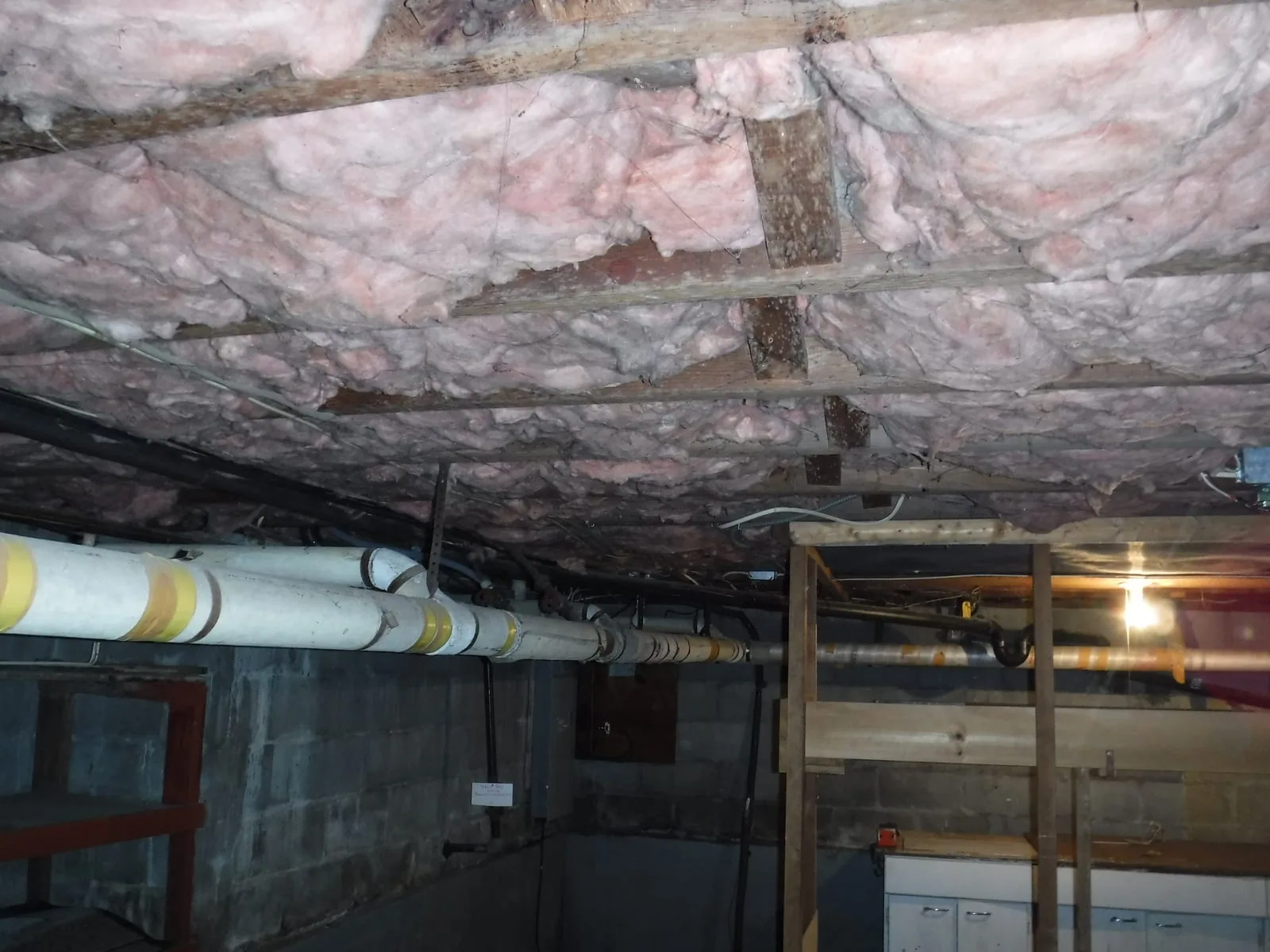
Our Mold Removal Process
Emergency Call
Call our 24/7 line — crew dispatched immediately.
60-Min Arrival
We arrive, assess, and brief you on the plan.
Mitigation
Stop damage from spreading — fast.
Full Restoration
Certified restoration to pre-loss condition.
Mold Removal in Fairfield County, CT & Westchester County, NY
Mold removal is the visible part of a broader IICRC S520 mold remediation process. Spot-cleaning visible mold from a bathroom ceiling or basement wall without addressing the underlying moisture source produces a remediation that fails — the mold returns within months and the homeowner pays twice. Real mold removal requires identifying the moisture cause, installing proper containment to prevent spore spread during demolition, removing porous materials the mold has colonized (not cleaning them), treating remaining surfaces with EPA-registered antimicrobials, drying the structure to baseline moisture content, and verifying clearance with third-party testing before declaring the job complete.
911 Storm performs IICRC S520-compliant mold removal across all 67 cities in our Fairfield County, CT and Westchester County, NY service area. Our crews are certified to the published industry standard and additionally hold Goldmorr Antimicrobial Injection Method (AIM) certification for chronic mycotoxin exposure cases. We bill mold remediation directly to your insurance carrier under the mold-coverage sublimit where applicable; we walk you through coverage realistic expectations before scope submission.
What real S520 mold removal looks like
Level 1 (under 10 sq ft visible growth): plastic sheeting around the work zone, dust suppression, debris bagged for disposal. Surface cleaning with EPA-registered antimicrobial on non-porous substrates. Removal and disposal of small porous items.
Level 2 (10-100 sq ft visible growth): full floor-to-ceiling poly sheeting with zippered access, HEPA air scrubber maintaining negative air pressure relative to surroundings, HVAC sealed off to prevent spore spread through ductwork, crew in N-95 respirators. Demolition of all porous materials with visible growth — drywall, carpet, carpet pad, ceiling tiles, batt insulation, particleboard furniture, soft items. Cleaning of remaining hard surfaces with HEPA vacuum + antimicrobial.
Level 3 (100+ sq ft, or any Stachybotrys regardless of size): double-layer poly with airlock entry chamber, multiple HEPA scrubbers, crew in full PPE including Tyvek suits and full-face P100 respirators, decontamination chamber for exit. Most aggressive demolition + cleaning scope. Always paired with post-remediation verification (PRV) testing before containment dismantles.
Source removal vs encapsulation
S520 is explicit: source removal of porous moldy materials is the primary remediation method. Encapsulation (sealing mold under paint or coatings) is appropriate as a SUPPLEMENTAL treatment for materials that cannot be removed (e.g., framing in a load-bearing wall that must remain in place) AFTER mechanical removal of the visible growth. Encapsulation as a shortcut to skip demolition is not S520 compliant and produces recurrence reliably.
The most common DIY mistake we are called back to fix: visible mold painted over with primer-and-paint, no demolition, no containment, no moisture source addressed. The mold continues colonizing the substrate under the paint, spreads outward, eventually shows through again — often substantially larger than the original visible area.
Why we always verify with PRV when scope allows
Post-Remediation Verification (PRV) is third-party testing performed by an independent industrial hygienist or licensed mold inspector before the containment is dismantled. Visual inspection confirms no remaining visible mold or moisture. Moisture readings confirm materials are at baseline MC. Air sampling compares indoor spore counts to outdoor baseline — should be at or below outdoor levels for legitimate remediation.
PRV is the only objective proof that the remediation actually worked. Insurance carriers paying serious mold claims (Chubb, AIG Private Client, PURE, and some State Farm and Liberty Mutual mold-endorsement policies) frequently require PRV before closing the claim. We welcome PRV testing on every Level 2+ job — contractors who push back on PRV are typically either inexperienced or shortcutting the work.
Related Mold Removal Services
Mold Removal Near You
Covered loss? We bill your insurance carrier directly — and our CT insurance claim guide walks the whole process. Estimate your scope with the cost calculator.
How Long Does Mold Removal Take?
Every job is different, but here's a realistic timeline for most mold removal projects.
Emergency Call
0 min24/7 dispatch, same-day assessment scheduling.
Assessment + Testing
Day 1Visual, surface samples, air samples sent to lab.
Containment Setup
Day 2-3Poly sheeting, HEPA air scrubbers, negative pressure.
Active Remediation
Day 3-10Controlled demo, antimicrobial treatment, HEPA cleaning.
Clearance Testing + Rebuild
Day 10-14+Independent air test verifies clearance, then rebuild.
Timelines vary with scope, insurance adjuster response, and hidden damage discovered during work. Your detailed timeline is given after the on-site assessment.
Common Questions
Mold Removal FAQ
How do I know if I need professional mold removal?
Visible mold growth over 10 square feet, any visible Stachybotrys (black mold), mold tied to a water damage event, mold in HVAC system or ducts, mold in homes with sensitive occupants (children, elderly, immunocompromised, asthmatic), or recurrent mold despite cleanup attempts — all indications for professional IICRC S520 remediation. For very small surface mold (under 10 sq ft) on non-porous substrates with an identifiable controllable moisture source, careful homeowner cleanup with proper PPE may be appropriate.
Can I just bleach the mold off myself?
Bleach kills surface mold on non-porous substrates (tile, sealed concrete) but does not penetrate porous materials (drywall, wood) where the mold hyphae actually grow. Bleach treatment also adds moisture to the substrate, which can accelerate regrowth. S520 standard cleaning uses EPA-registered antimicrobials matched to the substrate, not consumer bleach. For anything beyond a small bathroom tile spot, bleach is the wrong tool.
What is post-remediation verification (PRV) and why does it matter?
PRV is third-party testing — independent industrial hygienist or licensed mold inspector — performed before remediation containment is dismantled. Visual inspection, moisture readings, and air sampling. PRV is the only objective proof the work succeeded. Carriers paying serious mold claims often require PRV. We welcome it on every Level 2+ job and arrange testing as part of the scope.
Will mold come back after professional removal?
Only if the underlying moisture source was not addressed. S520 is explicit: "remediation without moisture source control is not remediation." We identify and document the moisture source as the first step of every job. If structural repair beyond our scope is needed (foundation crack, roof, HVAC overhaul), we coordinate the right specialty trade as part of the project. Properly executed S520 remediation with source control does not recur.
How much does professional mold removal cost?
Small Level 1 (under 10 sq ft): $500-$1,500. Single-room Level 2: $3,500-$10,000. Multi-room Level 3 Stachybotrys: $10,000-$30,000+. Whole-house including HVAC decontamination: $20,000-$60,000+. Cost driven by affected square footage, mold species, and demolition scope. HNW Greenwich and Westport homes with premium reconstruction restore at 20-30% premium. Free on-site assessment with written Xactimate scope.
Damage Doesn't Wait — Neither Do We
60-minute response. Free estimate. We handle your insurance claim.
IICRC Certified • Licensed & Insured • All Major Insurance Carriers