
Musty Smell in Your Basement
If your basement consistently smells musty, you have hidden mold. The smell is microbial volatile organic compounds (MVOCs) released by active mold colonies — even when you can't see growth, your nose is detecting them.
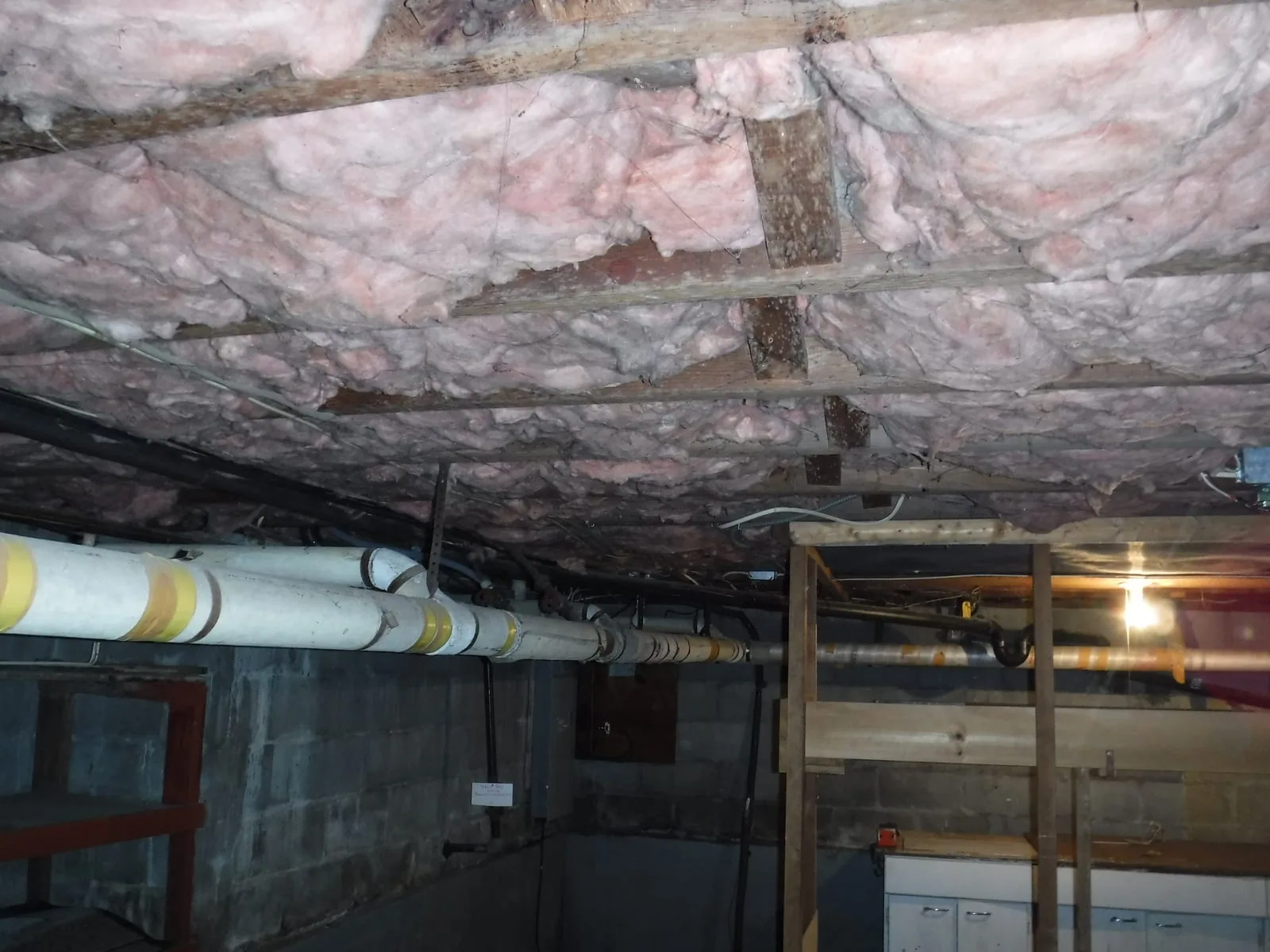
Common Signs
- Persistent earthy, damp, or musty odor that returns after airing out
- Possibly no visible mold on walls or floor
- Smell may intensify after rain, in summer humidity, or when HVAC runs
- Family members with worsening allergies, congestion, or headaches
- Sometimes minor signs: efflorescence, peeling paint, dampness on lower walls
Most Likely Causes
In order of how often we see them on real jobs.
Hidden mold behind drywall or insulation
MVOCs migrate through walls long before visible growth. Mold is colonizing the back of the drywall, the insulation, or the framing — where you can't see it.
Chronic basement moisture
Even without active flooding, humidity above 60% sustains mold growth on surfaces, organic dust, and contents.
Old water event you forgot about
A leak from years ago that was 'dried out' may have left moisture in framing or insulation that's been quietly growing mold ever since.
HVAC contamination
Mold growing in ductwork, coils, or drain pans aerosolizes spores throughout the home — and the basement is often where you smell it first.
Musty smell = active mold = ongoing health exposure. Symptoms worsen the longer occupants are exposed. Hidden mold also damages structural materials and reduces home value at sale (inspectors flag the smell).
How We Fix It
Air quality testing
Lab-analyzed air samples quantify the airborne spore counts and identify species. The only way to confirm hidden mold objectively.
Source investigation
Thermal imaging + moisture meters identify where the moisture feeding the mold is coming from.
Containment + remediation
If lab confirms problem, we set up IICRC S520 containment, remove contaminated materials, and treat affected framing with antimicrobials.
Source elimination
Address the moisture cause: foundation crack injection, EZ Breathe installation, sump pump upgrade, dehumidification system, etc.
Clearance testing
Independent post-remediation air test confirms spore counts are back to baseline before containment comes down.
Frequently Asked Questions
Is musty smell always mold?+
Almost always. The smell is MVOCs produced by active mold metabolism. Bacterial growth can produce similar odors but mold is by far the more common cause.
Can I just use air fresheners?+
No — that masks the smell while mold continues growing. The MVOCs are also a health indicator, so masking them removes a useful warning signal.
How much does mold testing cost?+
Air quality testing typically runs $300-$600 for a residential setup (2-4 samples). It's a worthwhile diagnostic before committing to a full remediation scope.
Can the smell come from something other than mold?+
Rare but possible: stagnant water in a P-trap, dead rodent, old organic material. Mold is by far the most likely cause for persistent basement musty smell.
Want a free on-site diagnosis?
We come look, tell you what's actually causing it, and only fix what needs fixing. No high-pressure sales.
IICRC Certified • Licensed & Insured • All Major Insurance Carriers