
Marina & Waterfront Facility Restoration
Harbor offices, dock houses, service facilities — coastal restoration with marina-specific exposure profile
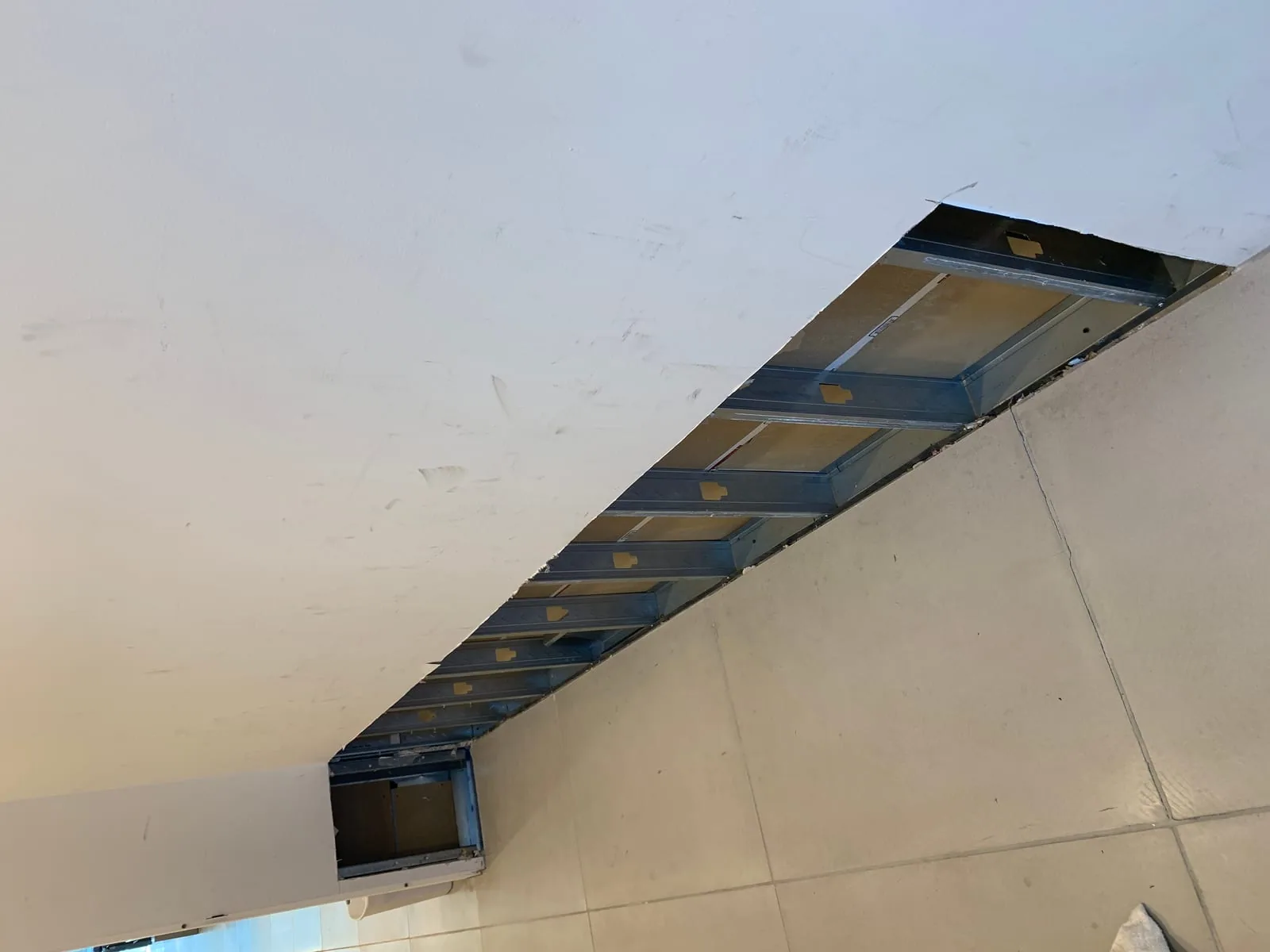
Marina restoration is its own animal. The buildings are coastal-exposed (storm surge, wind-driven rain, salt-spray accelerated degradation). The operations are seasonal-intensive (May-October peak, off-season maintenance). The infrastructure is mixed (harbor office buildings, dock houses, fuel facilities, ship's stores, restaurant components on some marinas, hauler / boat-storage facilities, marine fuel handling).
We handle marina restoration across the Long Island Sound shoreline: Greenwich Harbor marinas, Stamford Harbor, Norwalk SoNo, Westport, Rye, Mamaroneck, the broader Westchester waterfront. Post-storm restoration after nor'easters. Mold remediation in chronically humid dock houses and ship's stores. Fire damage in fuel handling or service facilities (specialized considerations).
The coastal exposure profile is meaningfully different from inland commercial restoration: salt-spray accelerated material degradation, FEMA flood zone consideration, hurricane deductible interaction, marine fuel and oil consideration in some scopes. We've worked the marina market long enough to know which scopes need specialty marine restoration partners vs. which we handle directly.
Common marinas restoration losses
- Storm surge inundation of harbor office and ground-level facilities
- Nor'easter wind-driven rain through harbor office windows and roofs
- Mold remediation in chronically humid dock houses
- Fire damage in service / repair facilities
- Sewage backup affecting marina restrooms or fuel office
- Marine fuel / oil spill secondary cleanup (coordinate with marine remediation specialists)
What's different vs residential restoration
- Coastal exposure: salt-spray degradation, FEMA flood zone considerations
- Hurricane deductible interaction on coastal carrier policies
- Marine fuel and oil considerations may require specialty remediation
- Seasonal operation timing — major work compressed into off-season
- Member / slip holder communication during dock house or office restoration
- USCG and Connecticut DEEP / NY DEC environmental considerations on some scopes
Local market context
Examples of marinas we work with or near (context, not endorsements):
Insurance & billing
Marina property policies typically have coastal-specific endorsements and hurricane deductibles. Marine pollution coverage is often separate from standard commercial property. We document the loss scope for property and coordinate with marine pollution specialists when fuel or oil are involved. Major commercial carriers (Chubb Commercial, Travelers Marine, AIG Marine) are directly billed.
See all carriers we direct-billCommon questions
Marinas restoration FAQ
Can you handle restoration during boating season?
Yes, but major scope is often deferred to off-season (November-April) to minimize disruption to slip holders and operating revenue. Emergency mid-season work runs with phased scope to keep operating areas accessible. Off-season major restoration timelines are often 8-16 weeks to complete deep work before re-opening.
What about marine fuel or oil spill secondary cleanup?
We handle the building restoration scope. Marine fuel / oil spill remediation is typically handled by specialty marine pollution contractors (USCG and CT DEEP / NY DEC certified). We coordinate the building scope with the pollution specialists on the broader incident response.
How do hurricane deductibles affect marina claims?
Most coastal CT and NY commercial property policies on marina facilities carry a hurricane deductible (typically 1-5% of property value) triggered when NWS officially declares a hurricane affecting the coast. Standard nor'easter damage triggers standard deductible only. Verify your policy's exact trigger language and ensure flood coverage (separate from property) is in place.
Do you work with USCG or state environmental agencies?
On scopes that involve marine fuel, oil, or hazmat — yes, we coordinate with USCG / CT DEEP / NY DEC. Our scope focuses on building restoration; the regulatory coordination is led by specialty marine pollution contractors when involved. For pure water / mold / fire restoration scope (no fuel or hazmat), regulatory coordination isn't typically needed.
What's your response time to coastal marinas?
Greenwich Harbor 15-25 min, Stamford Harbor 25-35 min, Norwalk/Westport 35-50 min, Rye/Mamaroneck 30-45 min. Active storm conditions slow response significantly — we factor this into dispatch decisions and provide realistic on-site estimates rather than promising impossible timing.
Active marinas loss right now?
24/7 commercial response across Fairfield County, CT and Westchester County, NY. Direct billing with all major commercial carriers.
Call (203) 604-2474Other commercial verticals
Damage Doesn't Wait — Neither Do We
60-minute response. Free estimate. We handle your insurance claim.
IICRC Certified • Licensed & Insured • All Major Insurance Carriers