
Chimney Puff Back
Cleanup and restoration after chimney puff-back events — soot removal and air purification.
Our Chimney Puff Back Process
Emergency Call
Call our 24/7 line — crew dispatched immediately.
60-Min Arrival
We arrive, assess, and brief you on the plan.
Mitigation
Stop damage from spreading — fast.
Full Restoration
Certified restoration to pre-loss condition.
Chimney Puff Back in Fairfield County, CT & Westchester County, NY
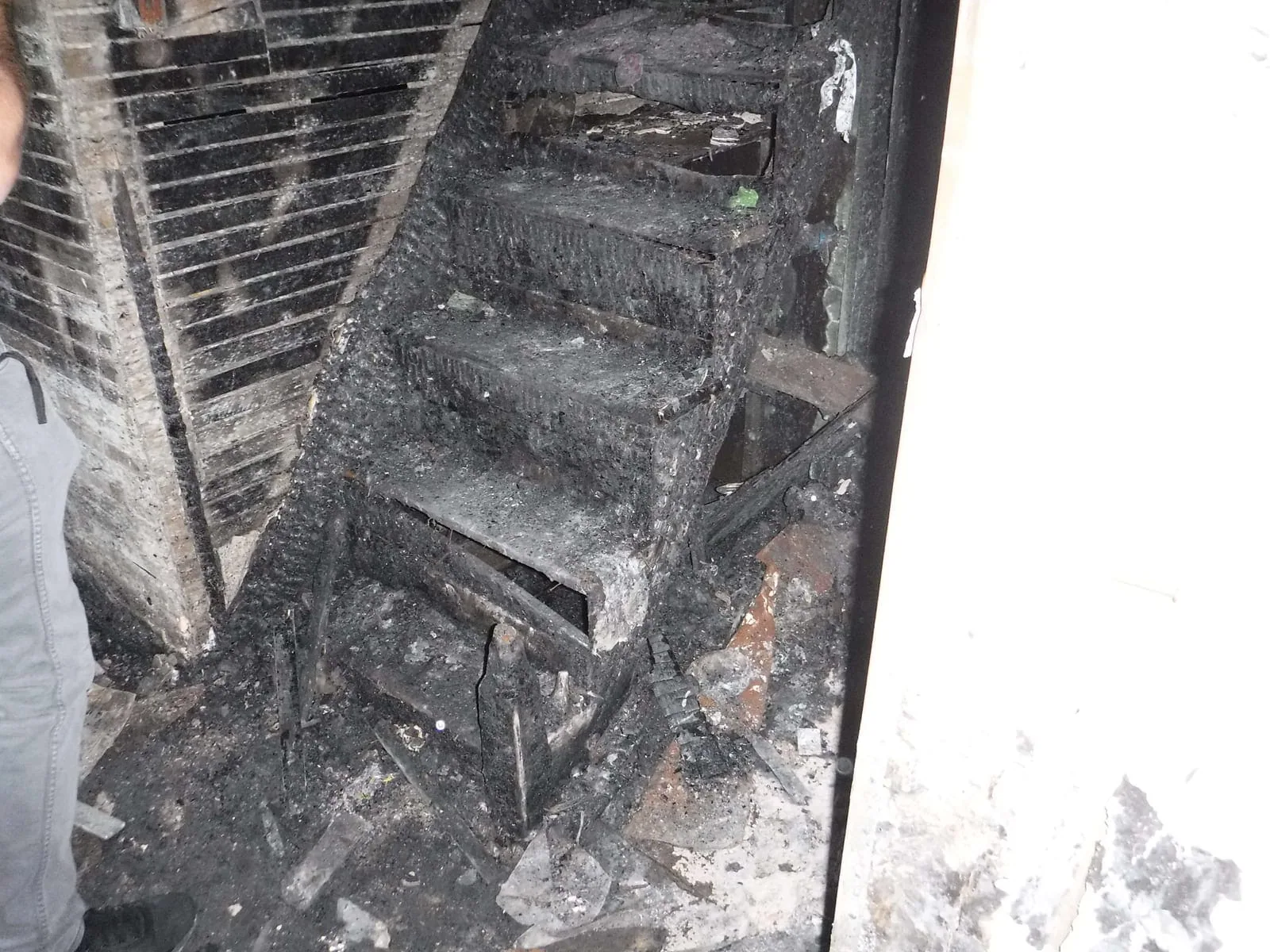
Chimney puff-back is one of the most underestimated restoration scenarios we respond to. Oil-fired furnace ignition malfunction causes a back-puff of unburned fuel and soot through the chimney and into the surrounding home environment. The visible damage is often minimal — sometimes just a fine grey film on horizontal surfaces near vents — but the contamination is extensive: very fine sooty residue distributed throughout the home via HVAC ducts, settling on every horizontal surface, embedded into upholstery and contents, working into electronics and books and clothing. Without proper IICRC S700 cleanup, the residue persists for years and the acidic soot corrodes electronics over time.
911 Storm performs full chimney puff-back restoration across Fairfield County, CT and Westchester County, NY with surface cleaning, HVAC decontamination, contents cleaning, and deodorization. Common in older Greenwich, Westport, New Canaan, Stamford and Bronxville homes still using oil heat. Insurance coverage is straightforward as fuel-oil puff-back is a covered sudden-and-accidental peril.
Why puff-back contamination is uniquely tricky
Fuel-oil soot is extremely fine — particles often 0.5-2 microns, smaller than visible smoke residue from other fire types. The particles penetrate everywhere: deep into upholstery fabric, between book pages, into electronics ventilation grilles, behind picture frames. Surface cleaning addresses only the visible layer; the contamination beneath continues to release residue and odor for months without proper deep cleaning and deodorization.
The soot is mildly acidic — it slowly corrodes electronic components, tarnishes metals, etches surfaces over time. Items that look fine initially can fail months later if not properly cleaned. Documentation of contamination at the time of the event matters for any future delayed-failure claims.
Our IICRC S700 puff-back restoration scope
Initial assessment documents extent of distribution throughout the home (typically much wider than the homeowner realizes). HVAC system immediately shut down to prevent further distribution. HEPA vacuum every horizontal and vertical surface in affected rooms. Specialty soot-removal chemistry on hard surfaces; chemical sponging on painted surfaces.
Full HVAC decontamination per NADCA standard — duct cleaning, coil cleaning, blower motor cleaning, filter replacement, post-cleaning test cycle. Critical because HVAC distribution was the primary contamination vector — without decon, the system continues circulating residue indefinitely. Contents pack-out for soft goods (clothing, bedding, upholstery, drapery) to specialty cleaning facilities. Hard contents (electronics, framed art, china) cleaned on-site or off-site as appropriate.
Thermal fogging or hydroxyl generation for embedded VOCs in framing and drywall. Coordination with HVAC contractor for furnace inspection and repair (the underlying cause must be addressed before furnace returns to service). Reconstruction usually minimal on puff-back losses (no demolition typically required) — primarily cleaning + deodorization scope.
Insurance and prevention
Fuel-oil puff-back is treated as a covered sudden-and-accidental peril on virtually every standard homeowner policy. Scope typically $15K-$50K for residential puff-back depending on home size and contents involvement. Higher in HNW Greenwich/Westport homes with extensive content collections (premium furniture, art, libraries) requiring more pack-out and specialty cleaning.
Prevention: annual oil furnace service before each heating season (ignition system inspection, oil filter replacement, combustion chamber cleaning) significantly reduces puff-back risk. Aging furnaces (15+ years) are more puff-back-prone — consider modern condensing oil furnace replacement, or conversion to natural gas where available, as part of the puff-back rebuild scope.
Related Fire Damage Services
Covered loss? We bill your insurance carrier directly — and our CT insurance claim guide walks the whole process. Estimate your scope with the cost calculator.
How Long Does Chimney Puff Back Take?
Every job is different, but here's a realistic timeline for most chimney puff back projects.
Emergency Call
0 min24/7 dispatch after fire department clears the property.
Board-Up + Tarping
Day 1 (same day)Secure openings, prevent weather/water intrusion.
Soot + Smoke Cleanup
Day 2-7HEPA vac, dry/wet sponge cleaning, surface wipe-down.
Odor Removal
Day 5-14Thermal fogging, hydroxyl/ozone treatment, HVAC decon.
Reconstruction
Day 14-60+Drywall, paint, trim, cabinetry, flooring — pre-loss condition.
Timelines vary with scope, insurance adjuster response, and hidden damage discovered during work. Your detailed timeline is given after the on-site assessment.
Common Questions
Chimney Puff Back FAQ
What is chimney puff-back and how does it happen?
Oil-fired furnace ignition malfunction causes a back-puff of unburned fuel and soot through the chimney and combustion chamber into the home interior. Distributed throughout the home via HVAC ductwork. Most common cause: deferred furnace maintenance leading to ignition system issues. Common in older Fairfield/Westchester homes still using oil heat.
How serious is puff-back contamination?
More serious than the visible damage suggests. The fine soot distributes throughout the home, settles on every horizontal surface, embeds into upholstery and contents, contaminates electronics, and is mildly acidic (corrodes components over time). Without proper cleanup, residue persists for years and damage to contents continues. Even seemingly minor puff-back events typically require full S700 restoration scope.
Will my insurance cover puff-back restoration?
Yes — fuel-oil puff-back is treated as a covered sudden-and-accidental peril on virtually every standard homeowner policy. Scope and contents coverage both apply. We bill directly to your carrier and document the full extent of contamination (often broader than the homeowner initially realizes). Typical scope $15K-$50K depending on home size and contents involvement.
How long does puff-back cleanup take?
Whole-home puff-back cleanup with HVAC decontamination, contents pack-out, and deodorization: 14-30 days typical. Larger HNW homes with extensive content collections requiring more pack-out: 30-60 days. Reconstruction typically minimal (no demolition needed) — primarily cleaning + deodorization scope. Most puff-back work doesn't require homeowner displacement.
How can I prevent puff-back from happening again?
Annual oil furnace service before each heating season — ignition system inspection, oil filter replacement, combustion chamber cleaning. Aging furnaces (15+ years) are most puff-back-prone — consider modern condensing oil furnace replacement, or conversion to natural gas where available, as part of the rebuild scope. We can coordinate HVAC contractor for furnace assessment and repair.
Damage Doesn't Wait — Neither Do We
60-minute response. Free estimate. We handle your insurance claim.
IICRC Certified • Licensed & Insured • All Major Insurance Carriers