
Kitchen Fire Cleanup
Rapid kitchen fire cleanup including soot, grease residue, and odor elimination.
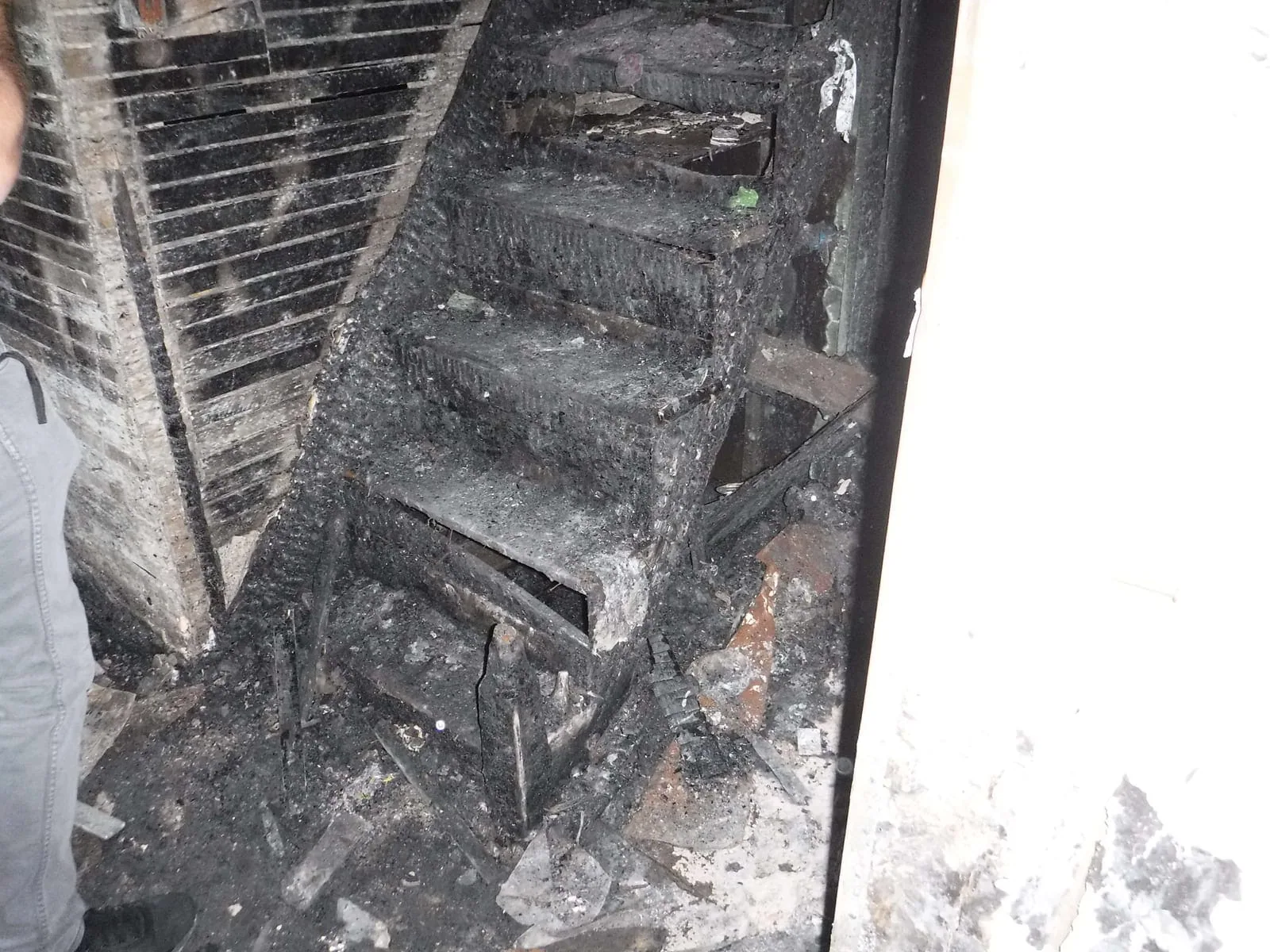
Our Kitchen Fire Cleanup Process
Emergency Call
Call our 24/7 line — crew dispatched immediately.
60-Min Arrival
We arrive, assess, and brief you on the plan.
Mitigation
Stop damage from spreading — fast.
Full Restoration
Certified restoration to pre-loss condition.
Kitchen Fire Cleanup in Fairfield County, CT & Westchester County, NY
Kitchen fires are the most common residential fire we respond to across Fairfield County, CT and Westchester County, NY. Unattended cooking oil ignition, broiler or oven fires, microwave fires, grease accumulation in range hoods igniting from spark — each produces distinctive damage patterns. The visible fire damage you see when you walk back through the kitchen after the fire department clears the structure is rarely the most expensive part of restoration. Smoke residue from a kitchen fire migrates throughout the home via HVAC, embeds into framing and drywall, contaminates contents in rooms far from the kitchen, and produces lingering odor that surface cleaning cannot address.
911 Storm provides IICRC S700-certified kitchen fire damage cleanup with full structural cleaning, HVAC decontamination, contents pack-out, professional deodorization, and reconstruction. We coordinate with your insurance carrier (fire is a covered peril on virtually every standard homeowner policy) and bill directly. Free on-site assessment within hours of fire department clearance for re-entry.
What makes kitchen fire residue uniquely challenging
Kitchen fires involving food produce protein residue — a thin, invisible-to-the-eye coating with extreme odor. Standard cleaning chemistry does not remove protein residue effectively; specialty enzymatic cleaners and aggressive deodorization are required. Surface looks clean to the naked eye while continuing to off-gas odor for months without proper treatment.
Grease fires from cooking oil produce wet smoke residue — sticky, smeary, very pungent, low-heat smoldering character. Wet smoke is the hardest residue type to remove because of low evaporation. Solvent-based cleaners and chemical sponging are required. Wet cleaning before chemical sponging drives the residue deeper into porous materials, making cleanup more expensive.
Both residue types migrate throughout the home via HVAC distribution. By the time the homeowner returns Monday after a weekend kitchen fire, the residue is in every room of the home, on every horizontal surface, inside the duct system, embedded in upholstery and clothing in bedrooms far from the kitchen.
Our IICRC S700 kitchen fire cleanup process
Emergency stabilization within 24 hours of fire department clearance: removal of standing fire-suppression water, board-up of any breached openings, photo documentation of every affected surface. Smoke residue characterization (protein vs wet smoke vs dry smoke). HVAC immediately shut down and sealed to prevent further residue distribution.
Sequential cleaning per S700: HEPA vacuum every horizontal and vertical surface in affected rooms (removes 80%+ of loose residue). Chemical sponge cleaning lifts residue without spreading. Specialty enzymatic cleaning for protein residue, solvent-based cleaning for wet smoke. Demolition of unsalvageable materials (heavily soot-embedded drywall, melted vinyl, ruined appliances).
Full HVAC decontamination per NADCA standard — duct cleaning, coil cleaning, blower motor cleaning, complete filter replacement, post-cleaning test cycle. Without HVAC decon, the smoke odor recirculates indefinitely. Thermal fogging or hydroxyl deodorization for embedded VOCs in framing and drywall. Contents pack-out for soft goods needing off-site cleaning.
Why DIY kitchen fire cleanup almost always fails
The most common homeowner mistake: wet-wiping wet smoke residue with consumer cleaners. This drives the residue deeper into porous surfaces, making professional cleanup substantially more expensive than if the surface had been left alone. The second mistake: skipping HVAC decontamination because "the rooms look clean." Without HVAC decon, the smoke residue continues circulating from the duct system into every room every time the system runs.
The third mistake: under-investing in deodorization. Surface cleaning removes visible residue; embedded VOCs in framing, drywall, and porous materials require thermal fogging or hydroxyl generator treatment to neutralize. Without proper deodorization, the home smells faintly of fire for years. We see all three mistakes regularly in homes where the owner used a low-bid contractor or attempted DIY.
Related Fire Damage Services
Covered loss? We bill your insurance carrier directly — and our CT insurance claim guide walks the whole process. Estimate your scope with the cost calculator.
How Long Does Kitchen Fire Cleanup Take?
Every job is different, but here's a realistic timeline for most kitchen fire cleanup projects.
Emergency Call
0 min24/7 dispatch after fire department clears the property.
Board-Up + Tarping
Day 1 (same day)Secure openings, prevent weather/water intrusion.
Soot + Smoke Cleanup
Day 2-7HEPA vac, dry/wet sponge cleaning, surface wipe-down.
Odor Removal
Day 5-14Thermal fogging, hydroxyl/ozone treatment, HVAC decon.
Reconstruction
Day 14-60+Drywall, paint, trim, cabinetry, flooring — pre-loss condition.
Timelines vary with scope, insurance adjuster response, and hidden damage discovered during work. Your detailed timeline is given after the on-site assessment.
Common Questions
Kitchen Fire Cleanup FAQ
How fast can you respond to a kitchen fire?
We respond as soon as the fire department clears the structure for re-entry — usually within hours of the fire being extinguished. Emergency stabilization (water removal, board-up, initial documentation) happens within the first 24 hours. Detailed S700 assessment and full scope drafting typically within 48-72 hours. Our 24/7 emergency line is staffed to dispatch immediately on fire calls.
Will my insurance cover kitchen fire damage?
Yes — fire is a covered peril on virtually every standard homeowner policy. Disputes typically arise around scope items (HVAC decontamination scope, contents pack-out vs on-site cleaning, deodorization method selection) rather than coverage itself. We document scope to IICRC S700 standards from the first walkthrough, which is what gets these items approved without dispute. We are direct-billed by all major fire-policy carriers.
How long does kitchen fire restoration take?
Confined kitchen fire with HVAC decontamination + contents pack-out + deodorization: 14-21 days for cleanup phase. Reconstruction (drywall replacement, cabinets, painting, appliances): 2-6 weeks depending on cabinet lead times. Total turnaround typically 6-12 weeks from fire to fully restored. Larger fires with more smoke migration extend timelines.
Can my kitchen appliances be cleaned and saved?
Depends on the appliance and damage. Smoke-exposed appliances with intact mechanicals (refrigerator, dishwasher, microwave) can often be professionally cleaned and continue service. Heavily damaged appliances (oven exposed to direct fire, melted plastic parts, water-damaged electronics) typically replaced under contents coverage. We document each appliance status for the insurance claim and coordinate replacement timing with the reconstruction schedule.
Why does my kitchen still smell like smoke after cleaning?
Most common reason: HVAC was not decontaminated and is recirculating embedded smoke residue every time the system runs. Second: only surface cleaning was performed without thermal fogging or hydroxyl deodorization for embedded VOCs in framing and drywall. Third: drywall in heavily affected areas should have been replaced rather than cleaned in place. Re-cleaning rarely fixes residual smoke smell — the answer is usually the missing deodorization step or missing demolition.
Damage Doesn't Wait — Neither Do We
60-minute response. Free estimate. We handle your insurance claim.
IICRC Certified • Licensed & Insured • All Major Insurance Carriers