
Smoke & Soot Damage
Deep cleaning of smoke-stained surfaces and air purification to remove lingering odors.
Our Smoke & Soot Damage Process
Emergency Call
Call our 24/7 line — crew dispatched immediately.
60-Min Arrival
We arrive, assess, and brief you on the plan.
Mitigation
Stop damage from spreading — fast.
Full Restoration
Certified restoration to pre-loss condition.
Smoke & Soot Damage in Fairfield County, CT & Westchester County, NY
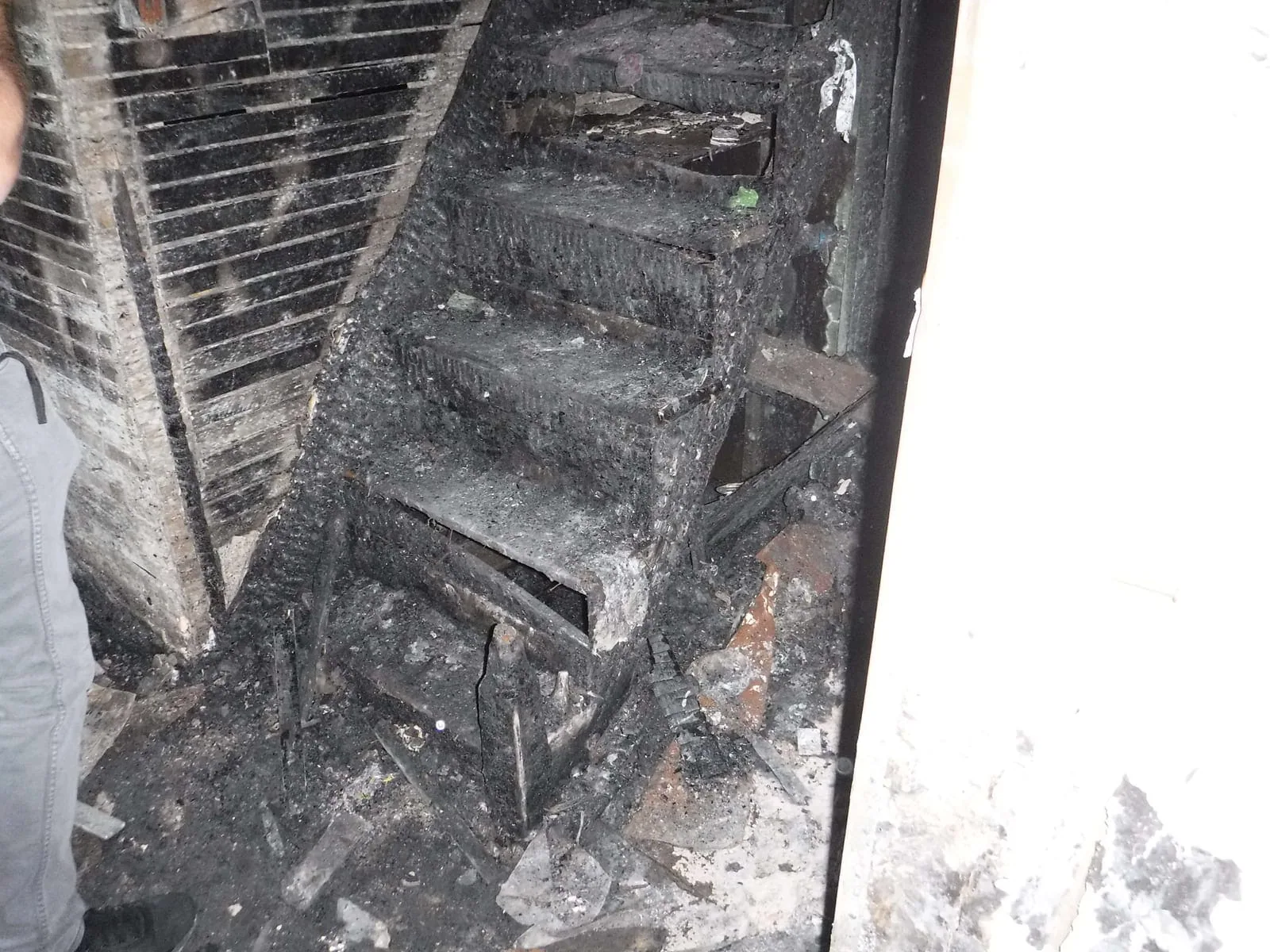
Smoke and soot damage is what's left behind after the fire department clears the structure. Even small fires confined to one room produce smoke residue that migrates throughout the home via HVAC, settles on every horizontal surface, embeds into porous materials (framing, drywall, fabric, upholstery), and contaminates the entire indoor environment with persistent odor and acidic residue that continues damaging contents and electronics over time. Proper IICRC S700 smoke and soot cleanup is the difference between a home restored to pre-fire condition and a home that smells faintly of smoke for years afterward.
911 Storm performs full IICRC S700 smoke and soot remediation across Fairfield County, CT and Westchester County, NY: structural cleaning, HVAC decontamination, contents pack-out and cleaning, professional deodorization (thermal fogging, hydroxyl generation, or ozone treatment as appropriate). We bill all major fire-policy carriers directly.
The four smoke residue types and why each requires different cleaning
Wet smoke — Low-heat, smoldering, plastic and rubber fires. Sticky, smeary, very pungent. Hardest to remove because of low evaporation. Requires solvent-based cleaners and chemical sponging. Wet cleaning before chemical sponging drives residue deeper.
Dry smoke — Fast, high-heat, paper and wood fires. Powdery, less pungent, easier to clean but spreads further (lighter particles airborne longer). Cleaned with HEPA vacuum then dry chemical sponge before wet methods.
Protein residue — Kitchen fires involving food. Practically invisible to the eye, extreme odor. Coats every surface in a thin film. Requires specialty enzymatic cleaners and aggressive deodorization. Most commonly underestimated residue type because the visible damage looks minimal.
Fuel-oil soot — Oil furnace puff-back malfunction. Very fine sooty residue distributed throughout the home via HVAC. Requires extensive HVAC decontamination plus surface cleaning. Common in older Fairfield homes still on oil heat.
The IICRC S700 cleaning sequence
Step 1 — Stabilize: emergency board-up, tarping of compromised roof, removal of standing fire-suppression water, photo documentation. Step 2 — Remove gross soot: HEPA vacuum every horizontal and vertical surface, removing 80%+ of loose residue before any wet chemistry (wet cleaning first drives soot deeper). Step 3 — Chemical sponging: specialty dry chemical sponges lift residue without spreading.
Step 4 — Wet cleaning: surface-appropriate cleaner applied with controlled methods. Different chemistries for painted drywall, sealed wood, stained masonry, fabric — wrong chemistry damages surfaces. Step 5 — HVAC decontamination: full duct cleaning, coil cleaning, blower motor cleaning, filter replacement. Step 6 — Contents pack-out: soft goods to off-site specialty cleaning, hard contents cleaned on-site or off-site. Step 7 — Deodorization: thermal fogging, hydroxyl generation, or ozone treatment for embedded VOCs in framing and drywall. Step 8 — Reconstruction: drywall replacement where soot embedded, primer + finish paint.
Why deodorization is the most-skipped step
Surface cleaning removes visible residue. Embedded VOCs in framing, drywall, and porous materials require active deodorization treatment to neutralize. Without deodorization, the home smells faintly of fire for years even though every surface looks clean. The three deodorization methods serve different scenarios: thermal fogging (heated deodorizing solvent fogged into the space, penetrates same micro-cracks smoke entered, requires evacuation during treatment); hydroxyl generation (UV-based device producing hydroxyl radicals continuously, safe with occupants present, slower but no displacement); ozone (powerful oxidizer, requires evacuation, used for stubborn residual odor).
Budget fire restoration contractors frequently skip or under-spec deodorization because the line item is large and clients don't always understand its necessity. The result: "the cleaning looked good but it still smells like smoke when the heat is on." Re-cleaning does not fix this — the missing deodorization step does.
Related Fire Damage Services
Covered loss? We bill your insurance carrier directly — and our CT insurance claim guide walks the whole process. Estimate your scope with the cost calculator.
How Long Does Smoke & Soot Damage Take?
Every job is different, but here's a realistic timeline for most smoke & soot damage projects.
Emergency Call
0 min24/7 dispatch after fire department clears the property.
Board-Up + Tarping
Day 1 (same day)Secure openings, prevent weather/water intrusion.
Soot + Smoke Cleanup
Day 2-7HEPA vac, dry/wet sponge cleaning, surface wipe-down.
Odor Removal
Day 5-14Thermal fogging, hydroxyl/ozone treatment, HVAC decon.
Reconstruction
Day 14-60+Drywall, paint, trim, cabinetry, flooring — pre-loss condition.
Timelines vary with scope, insurance adjuster response, and hidden damage discovered during work. Your detailed timeline is given after the on-site assessment.
Common Questions
Smoke & Soot Damage FAQ
How do I know what type of smoke residue I have?
Wet smoke (smoldering plastic/rubber fires) is sticky and smeary. Dry smoke (fast paper/wood fires) is powdery and easier to wipe but spreads wider. Protein residue (food fires) is practically invisible but smells extreme. Fuel-oil soot (puff-back) is fine grey-black residue throughout the home via HVAC. We characterize residue type during initial S700 assessment — drives cleaning chemistry and equipment selection.
Can smoke-damaged clothing, bedding, and upholstery be cleaned?
Most can be salvaged with professional off-site cleaning. Soft goods packed out to specialty cleaning facilities — ozone treatment chamber for smoke odor removal, wet cleaning for washable items, dry cleaning for delicates. Some items (heavily contaminated, fragile, or low-value) are documented as contents loss for replacement. Pack-out manifests with photographs document each item.
Why does my home need HVAC decontamination after a fire?
Smoke residue travels through HVAC ductwork during the fire and continues recirculating through it for years after unless professionally decontaminated. Without HVAC decon, the home smells faintly of smoke every time the heat or AC runs, regardless of how well the visible surfaces were cleaned. This is the most commonly skipped step in budget fire restoration and the most commonly reported "my house still smells like smoke" complaint.
How long does smoke and soot cleanup take?
Confined-area fire with HVAC decontamination + contents pack-out + deodorization: 14-21 days. Multi-room smoke contamination throughout home: 21-45 days for cleanup phase, plus 2-6 weeks reconstruction. Major fire with extensive smoke migration: 60-120+ days. Reconstruction phase typically takes longer than the cleanup phase.
Can I clean smoke residue myself?
Generally no. Wet-wiping wet smoke without HEPA + chemical sponging first drives residue deeper into porous surfaces, making professional cleanup more expensive than if the surface had been left alone. Soft goods and contents require specialty cleaning — DIY attempts often destroy items that would have been salvageable. Cost of botched DIY cleanup almost always exceeds professional restoration billed to insurance.
Damage Doesn't Wait — Neither Do We
60-minute response. Free estimate. We handle your insurance claim.
IICRC Certified • Licensed & Insured • All Major Insurance Carriers